



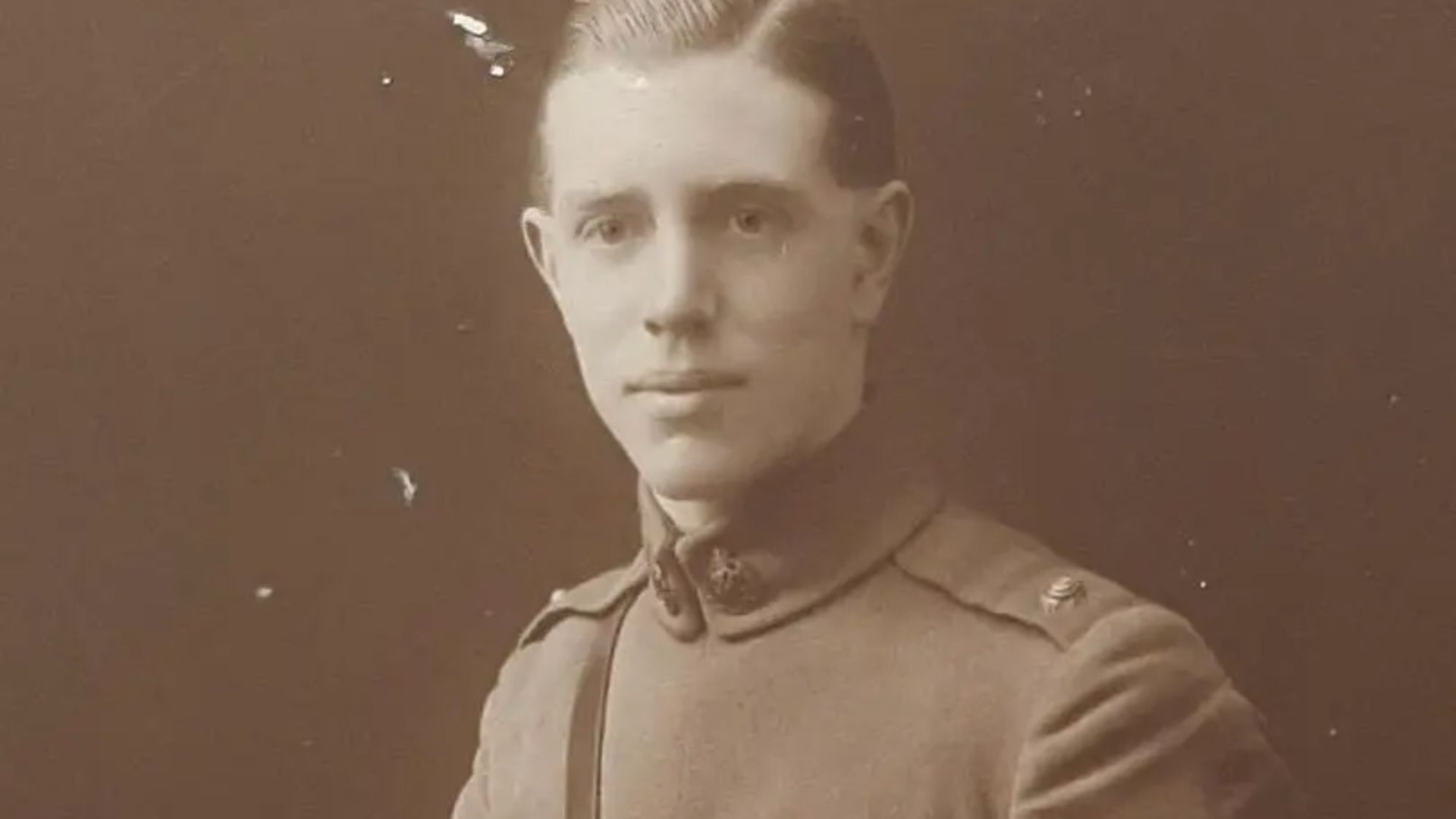
Captain Percy “Pip” Clayson, a distinguished World War One fighter ace, left an indelible mark on the history of aerial combat. His extraordinary achievements in the skies above the battlefields of 1918, culminating in an impressive tally of 29 confirmed enemy aircraft “kills,” solidified his reputation as a skilled and audacious pilot. His exceptional combat record, achieved during a concentrated period in the summer of 1918, surpassed even the formidable strike rate of Manfred von Richthofen, the infamous “Red Baron.” Clayson’s legacy, preserved in his meticulously kept logbooks and the medals awarded for his valor, recently resurfaced with the sale of these treasured artifacts at a London auction. The collection, including the prestigious Military Cross and Distinguished Flying Cross, fetched a substantial £21,000, a testament to the enduring fascination with the heroism of those who fought in the Great War.
Born in Deptford, South London, in 1896, Clayson’s life intertwined with the defining conflicts of the 20th century. Answering the call to duty in 1914, he joined the Royal Naval Air Service, the precursor to the Royal Air Force. His inherent aptitude for aerial combat quickly became apparent, transforming him into a formidable force in the skies. Despite the inherent dangers of aerial warfare during that era, Clayson not only survived but thrived, demonstrating remarkable skill and resilience. Following his distinguished service in World War One, he retired in 1929, only to return to active duty in 1941, re-mobilizing with the RAF Volunteer Reserve to contribute to the war effort against Nazi Germany. This unwavering dedication to his country underscores his commitment to service and his unwavering resolve in the face of global conflict.
The recent auction of Clayson’s medals and logbooks brought his story back into the spotlight, offering a glimpse into the life of a remarkable individual. Marcus Budgen, head of the medals department at Spink & Son, the auction house handling the sale, aptly described the significance of these items, stating, “To down 29 enemy aircraft and live to tell the tale is no mean feat. His medals are the living memorial to this amazing man.” This assessment highlights not only the statistical rarity of Clayson’s achievement but also the inherent courage and resilience required to survive such intense combat. The medals themselves serve as tangible symbols of his bravery, skill, and dedication, embodying the spirit of a generation that faced unprecedented challenges with unwavering determination.
The official citation accompanying Clayson’s Military Cross further emphasizes his exceptional abilities. Praised as a “patrol leader of great skill, and a skilful marksman,” his contributions proved invaluable to his squadron’s success. The citation also underscores his tactical acumen and leadership qualities, noting that his patrols consistently engaged and defeated numerically superior enemy formations, inflicting heavy losses despite the odds. This consistent ability to overcome adversity speaks volumes about his strategic thinking, his capacity to inspire his fellow pilots, and the respect he commanded within his squadron. His courageous leadership undoubtedly contributed significantly to the overall war effort.
Historians and aviation enthusiasts have long recognized Clayson’s remarkable abilities. Michael Shaw, in his book “The History of No. 1 Fighter Squadron,” explicitly acknowledges Clayson’s potential for even greater achievements, stating, “There is no doubt that Clayson would have ranked with the highest scorers had time and circumstance not been against him.” This assessment suggests that Clayson’s combat record, while already impressive, might have been even more extraordinary had he entered the war earlier or had the conflict continued longer. Shaw also draws a comparison between Clayson and Richthofen, highlighting the difference in the nature of their victories, pointing out that “Richthofen got most of his 80 kills against defenceless two seaters.” This distinction is crucial, as it suggests that Clayson’s victories were often achieved against more heavily armed and maneuverable fighter aircraft, further elevating his accomplishments and highlighting his exceptional skill.
The sale of Captain Clayson’s medals and logbooks underscores the enduring interest in the stories of those who served in World War One. These artifacts represent not just personal accomplishments, but a tangible connection to a pivotal moment in history. They serve as a testament to the courage, sacrifice, and skill of individuals like Clayson, who risked their lives in the defense of their countries. The high value placed on these items reflects the profound respect and gratitude that continues to be felt for those who fought in the Great War, ensuring that their stories, and the lessons they teach, are not forgotten. The enduring legacy of Captain Percy “Pip” Clayson, preserved in these tangible pieces of history, continues to inspire and remind us of the extraordinary individuals who shaped the course of world events.