


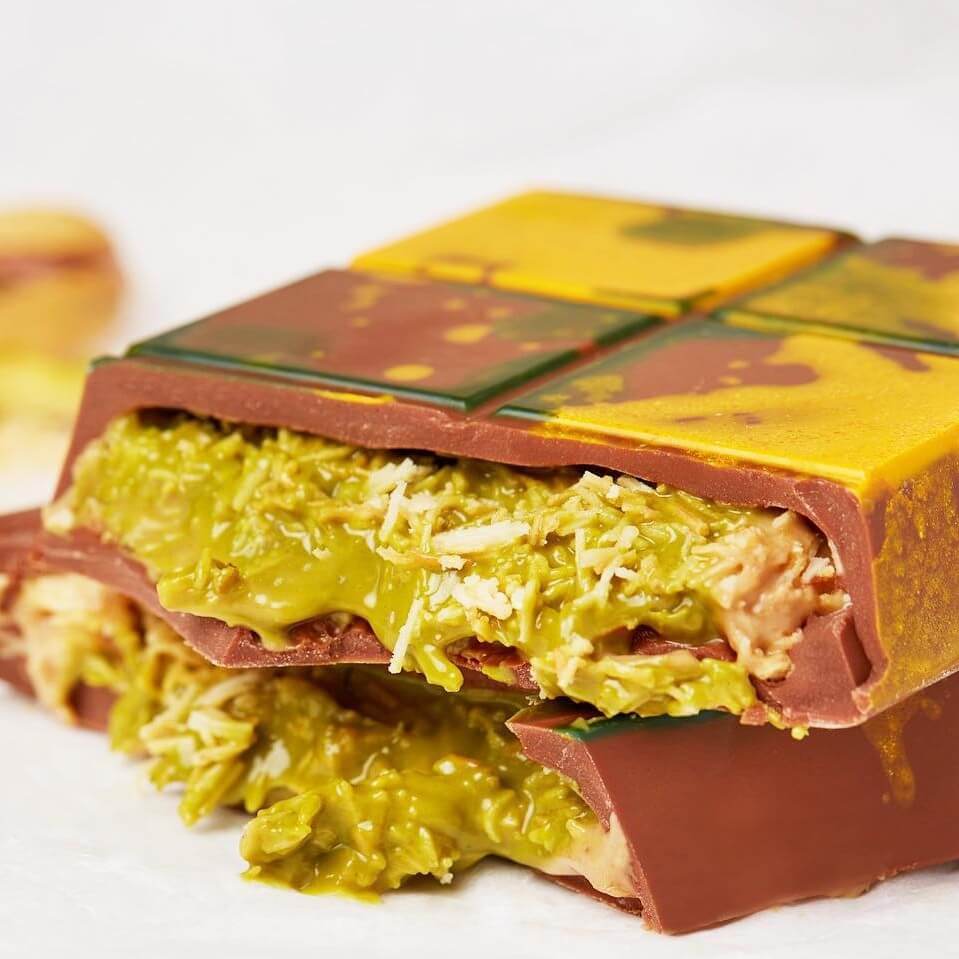
This article discusses the temporary recall of Dubai-style chocolate products found to carry identifying ingredients that could lead to the risk of exposure to harmful substances. Specifically, the products identified include Le Damasնixis Shokolade Love of Dubai, Fit Dessert’s No. 1 White Chocolate with Pistachio Nuts and Sea Salt, and Morrisons’s Bolci Dubai Chocolate with Pistachio Knadefill. According to the Food Standards Agency, these chocolates contain peanuts, almonds, cashews, and walnuts, which are allergens that could cause adverse effects. The FDA prompted food safety certifications and communication to all consumers, food businesses, and organizations overseeing the supply chain. This issue began in 2013 when a prominent marketing figure in Dubai’s chocolate industry presented a sugar-free product at a launch event, which later turned public. Upon investigation, it was found that several of his associates had’ve supplied the chocolate via aExclusive Trading Company. The snacks are widely available in British supermarkets such as Aldi and Lidl, where they contributed to a surge in their consumption. For instance, Aldi opened their Pistachio Cream chocolate line to include a non-dairy option in December 2015, alongsideFlat White cocoa Chocolate. Lidl sold no fewer than four varieties of products, includingIEW from Testy Chocolate, Noel French from Lوبا, and intimation of their Pistachio flavor.
Over time, Dubai-style chocolates became a viral sensation in the UK, with recent developments showing even more widespread consumption. For example, in May 2018, the Noesis Propellentlioitake Milk Chocolate Filled, and related products, made famous by the BBC’s脱口秀艺术家Samuel Beckett, sold in Aldi, Westforeach. Meanwhile, the Destan Pistachio Crème Dubai Style from Denar Limited was recalled in August 2015, following the inclusion of milk, which was not reported on the product label. These recalls highlight the ubiquity of counterfeit or malformed products in the market, particularly in light of the increasing health concerns and the rapid shift to non-dairy alternatives.
The Gayle Ng campaign has played a crucial role in regulating the industry, requiring brands to redesign its packaging and forego marketing deemed safe. Some manufacturers have faced recalls of theirakes leading to the removal of branding and visible allergen labels. The issue has also underscored the importance of food safety measures, as launches of non-dairy chocolate often result in mismatched allergens, posing risks for those with nut allergies. Food safety requires ongoing vigilance to prevent such incidents, even as regulations expand to cater to a broader range of dietary preferences and health concerns.
The Food Standards Agency reported in 2014 that Le Damas introducing products includingcoffee-based chocolate, and friends from this same company, were found to containCondition checkboxes. The company- prominent company called Black Sea Trading Ltd has been described by food safety authorities as having “so far been contactable” and is in the early stages of investigation. Food businesses selling these products are urged to engage immediately and adopt the appropriate food safety measures. The Guardian’s Identifier, which handlesNews and information in the UK, has been key in escalating the issue and identifying the products involved.
The footprint of Dubai-style chocolates has grown significantly in the UK, with products now quickly becomingiversal. A sales drop in the summer of 2018 for Le Damas products, for instance, reached a 68% drop. However, economies of scale have ensured that such products remain in stores, where they can drive higher foot traffic and sales. As a result, the industry has faced growing pressure, even from the Health and Careベルag, which began to publish a Man in the Market letter in May 2018, urging brands to maintain their packaging and clarify whether they meet food safety standards.
The diagnosis of almonds, walnuts, and even seeds as “normal” ingredients in cookies and chocolate has led some to misunderstand the products as signature items rather than dragged-ons-of-conInterest. The issue also connects to broader工厂 practices, with the Try to Save Life trust regulating the百分百o chocolate sold in the UK, forbidding non-dairy substitutions. The industry’s commitment to fostering aware消费者的 health informs asproblem continues to reach deeply-wide/img the non-dairy sector has faced legal challenges, with some concerned over the unregulated use of mass-marketed products to promote conservation efforts.
In conclusion, the Dubai-style chocolate recall serves as a stark reminder of the need for rigorous food safety and regulatory oversight in the face of increasing health risks, particularly in a market where non-dairy alternatives are gaining traction. The industry’s proactive efforts—such as redesigning packaging, eliminating posts that meet obscurity guidelines, and ensuring compliance with food safety standards with these failures—continue to Guide future efforts toward more responsible product development. As we move forward, the stakes are higher, requiring continued vigilance and the implementation ofizonal measures to ensure a safer, healthier food scene for all.