



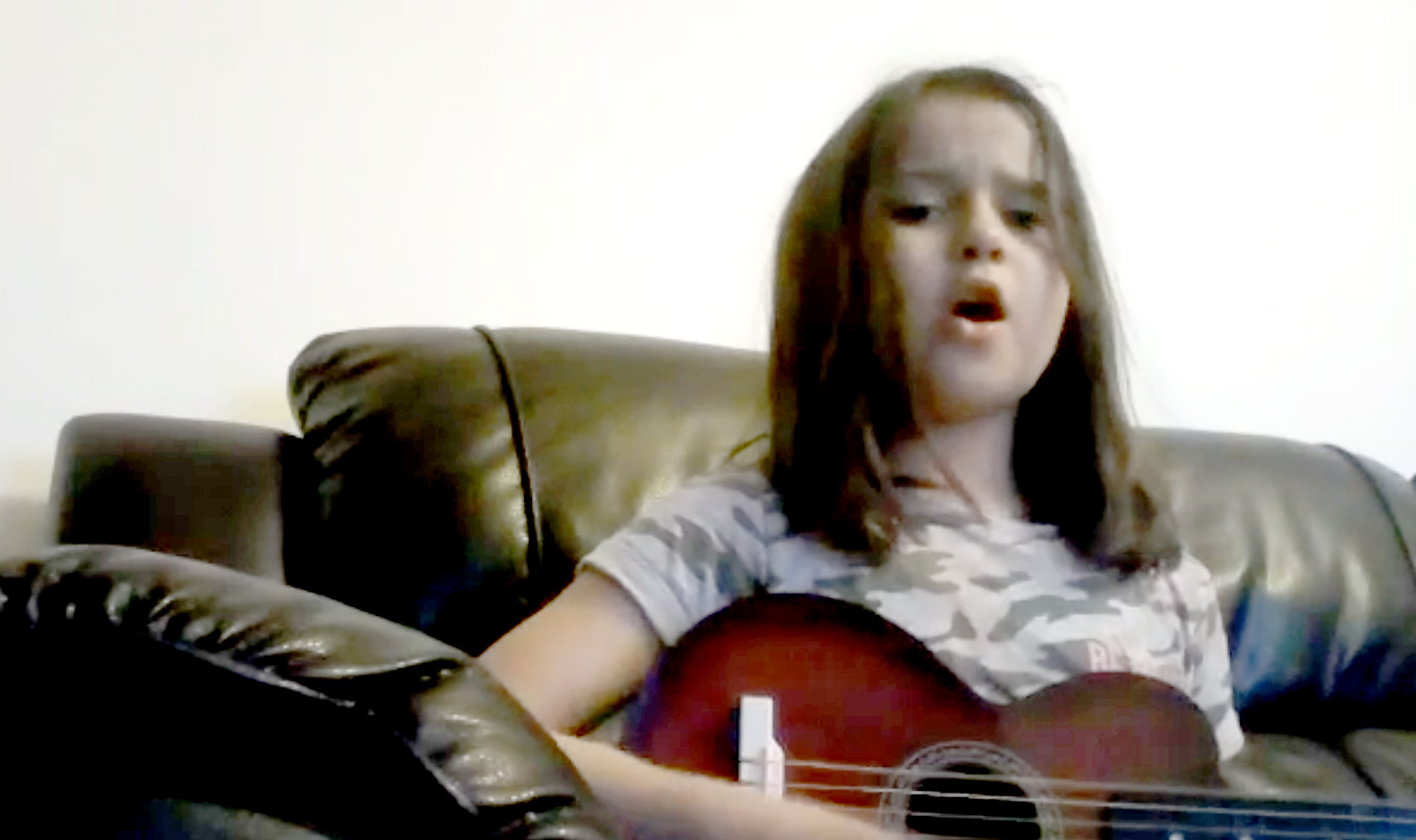
The tragic story of ten-year-old Sara Sharif unfolds through a stark contrast: heart-wrenching videos capturing her youthful innocence singing and dancing, juxtaposed against the grim reality of her tortured existence at the hands of her father, Urfan Sharif. These glimpses into Sara’s life before the relentless abuse paint a poignant picture of a child robbed of her future. The contrast underscores the devastating impact of Sharif’s two-year campaign of terror, culminating in her brutal murder. The videos serve as a haunting reminder of the life Sara could have lived, filled with music, laughter, and carefree joy, a life tragically extinguished by the very person entrusted with her protection.
Sara’s ordeal, as revealed during court proceedings, was a horrific catalogue of abuse. She endured repeated beatings, burns from an iron, biting, and the suffocating terror of having a bag taped over her head. Her injuries, numbering at least 71, were a testament to the sustained cruelty she suffered. In a desperate attempt to conceal the evidence of his brutality, Sharif forced Sara to wear a hijab, a stark departure from the rest of the family’s attire, raising concerns among neighbors. Text messages exchanged between Sharif and his wife, Beinash Batool, further exposed the extent of the abuse. Batool’s messages painted a chilling portrait of Sharif as a “psycho” who subjected Sara to relentless physical punishment, including all-night sit-up sessions that left her unable to walk. These messages, combined with the physical evidence, revealed a household gripped by fear and violence, where Sara was tragically trapped.
The systemic failures that allowed Sara’s abuse to continue unchecked add another layer of tragedy to this heartbreaking case. Despite reports of Sara’s injuries to school authorities and a subsequent social services referral, no intervention occurred. Sharif’s decision to remove Sara from school under the guise of homeschooling effectively shielded her from outside scrutiny, granting him unchecked access to continue his reign of terror. This failure to intervene represents a missed opportunity to protect Sara and underscores the critical need for robust safeguarding measures within child protection services.
The brutal culmination of Sharif’s abuse occurred on August 8th, when he beat Sara to death with a cricket bat. In a desperate attempt to cover his crime, he took her body to the garden, removed her soiled clothing, and cleaned her with a jetwash. The following day, Sharif, along with Batool and his brother Faisal Malik, fled the UK for Pakistan, leaving Sara’s lifeless body in a bunk bed. Sharif’s subsequent call to police, confessing to beating Sara “too much,” was a chilling admission of guilt. A note found at the scene further solidified his culpability, revealing his awareness of the deadly consequences of his actions.
The discovery of the cricket bat stained with Sara’s blood, along with other incriminating evidence like a rolling pin containing her DNA and rope entangled with her hair, provided a grim picture of the final moments of her life. Sharif’s courtroom confession, while admitting to causing Sara’s injuries and ultimately her death, lacked any genuine remorse. His attempts to downplay the severity of his actions and deny specific acts of cruelty, such as biting and burning, further underscored his lack of accountability. Despite his admission, the full extent of the horror Sara endured may never be fully understood.
The heartbreaking case of Sara Sharif stands as a stark reminder of the vulnerability of children and the devastating consequences of unchecked domestic violence. The contrasting images of Sara’s joyful moments captured on video and the horrific reality of her abuse serve as a powerful call for greater vigilance in protecting children. The systemic failures that allowed her abuse to continue must be addressed to prevent similar tragedies in the future. Sara’s story demands a collective commitment to strengthening child protection systems and ensuring that every child has the right to a safe and nurturing environment.