


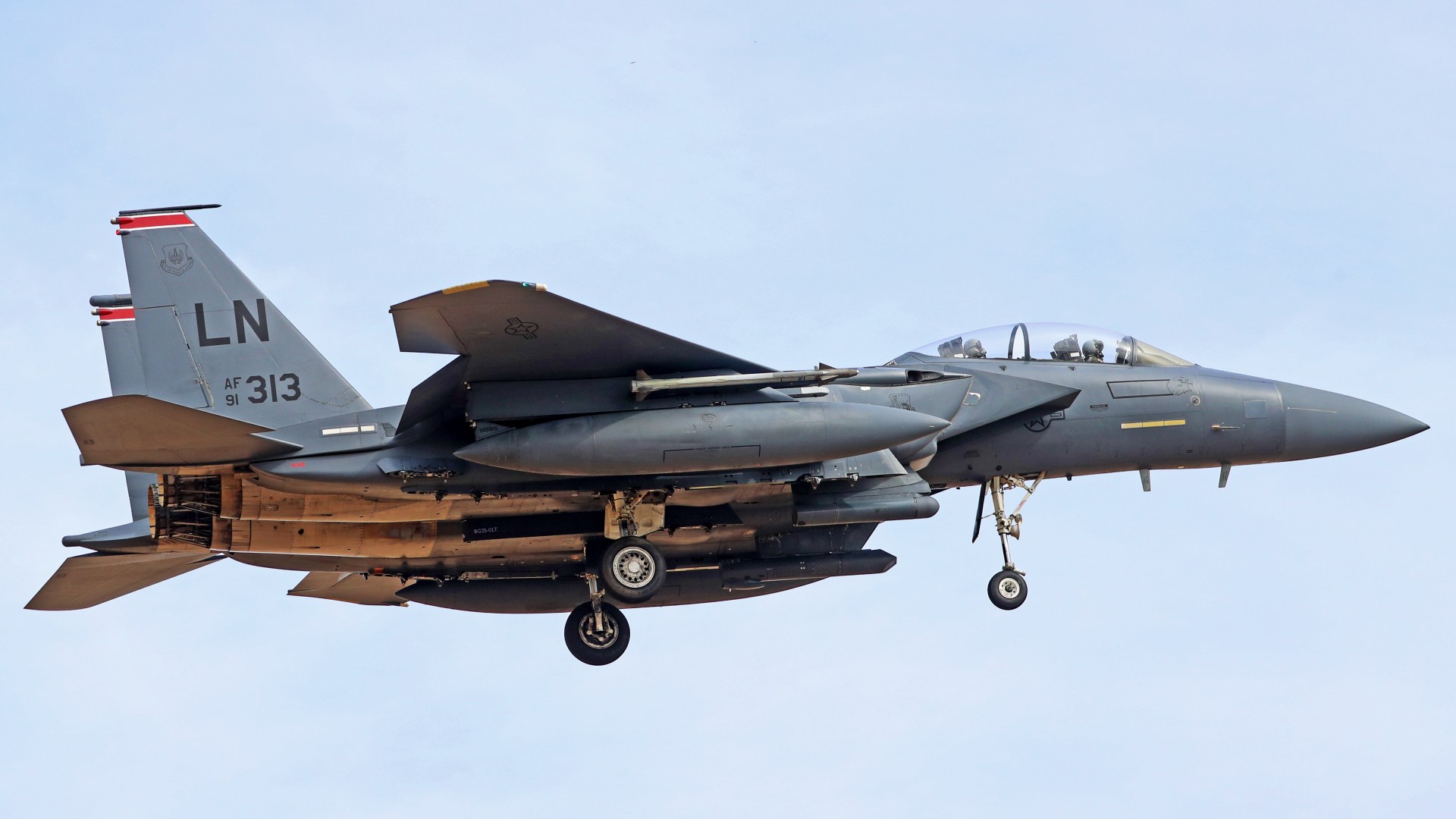
The sudden overthrow of Syrian President Bashar al-Assad by rebel forces has dramatically reshaped the geopolitical landscape of the Middle East, creating a volatile power vacuum and raising concerns about the resurgence of extremist groups like ISIS. The United States, recognizing the potential for instability and the threat posed by a resurgent ISIS, swiftly responded with a series of airstrikes targeting ISIS positions in central Syria. These strikes, numbering over 75, were characterized as “precision airstrikes,” emphasizing the US’s commitment to minimizing civilian casualties while maximizing the impact on ISIS targets. President Joe Biden acknowledged the inherent risks and uncertainties associated with the regime change, highlighting the potential for ISIS to exploit the ensuing chaos and rebuild its strength.
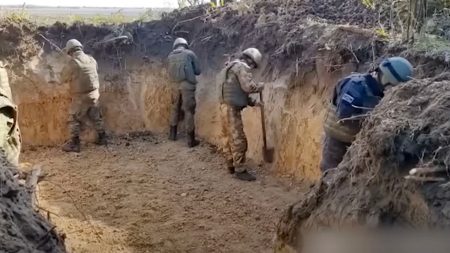
The US military presence in Syria, consisting of approximately 900 troops, plays a crucial role in the ongoing efforts to counter ISIS. These troops, including forces collaborating with Kurdish allies in the northeast, are tasked with preventing the terrorist group from regaining a foothold in the region. President Biden affirmed the continued deployment of these troops, underscoring the US’s commitment to maintaining stability and preventing the resurgence of ISIS in the wake of Assad’s ousting. The rapid shift in power dynamics underscores the precarious nature of the Syrian conflict and the ongoing challenges in achieving a lasting peace. The US airstrikes represent a proactive measure to address the immediate threat posed by ISIS, while the continued presence of US troops signals a longer-term commitment to stabilizing the region and preventing the re-emergence of terrorist organizations.
The US government, acutely aware of the potential for ISIS to exploit the power vacuum, has emphasized its commitment to working with regional partners to counter the terrorist threat. Daniel Shapiro, a US government official, articulated the administration’s concerns about the dynamic and chaotic situation on the ground, recognizing the potential for ISIS to regroup and plan external operations. He reiterated the US’s determination to collaborate with allies to degrade ISIS’s capabilities and prevent its resurgence. This collaborative approach is essential for effectively addressing the complex security challenges in Syria and preventing the country from becoming a breeding ground for terrorism.
The US’s response to the regime change in Syria reflects a multifaceted strategy that combines military action with diplomatic engagement. The airstrikes demonstrate the US’s willingness to use force when necessary to target ISIS, while the continued presence of US troops provides a stabilizing influence and supports efforts to prevent the terrorist group from regaining territory. Simultaneously, the US is actively engaging with regional partners to foster cooperation and coordinate efforts to counter ISIS. This comprehensive approach recognizes the need for both immediate action and long-term strategies to address the complex security challenges in Syria.
The situation in Syria remains highly fluid and unpredictable. The overthrow of Assad has created a power vacuum that could be exploited by various actors, including ISIS and other extremist groups. The US’s rapid response with airstrikes and the commitment to maintaining a military presence signal a proactive approach to mitigating the immediate risks. However, the long-term stability of Syria will depend on a complex interplay of factors, including the political transition process, the actions of regional powers, and the effectiveness of counterterrorism efforts.
The US faces a challenging balancing act in Syria. It must address the immediate threat posed by ISIS while also contributing to a long-term solution for the country’s political future. The continued presence of US troops and the engagement with regional partners are crucial elements of this strategy. However, the success of these efforts will depend on the ability to navigate the complex political landscape and build consensus among various stakeholders. The ultimate goal is to create a stable and secure Syria that is free from the threat of terrorism and can embark on a path towards a more peaceful and prosperous future.