



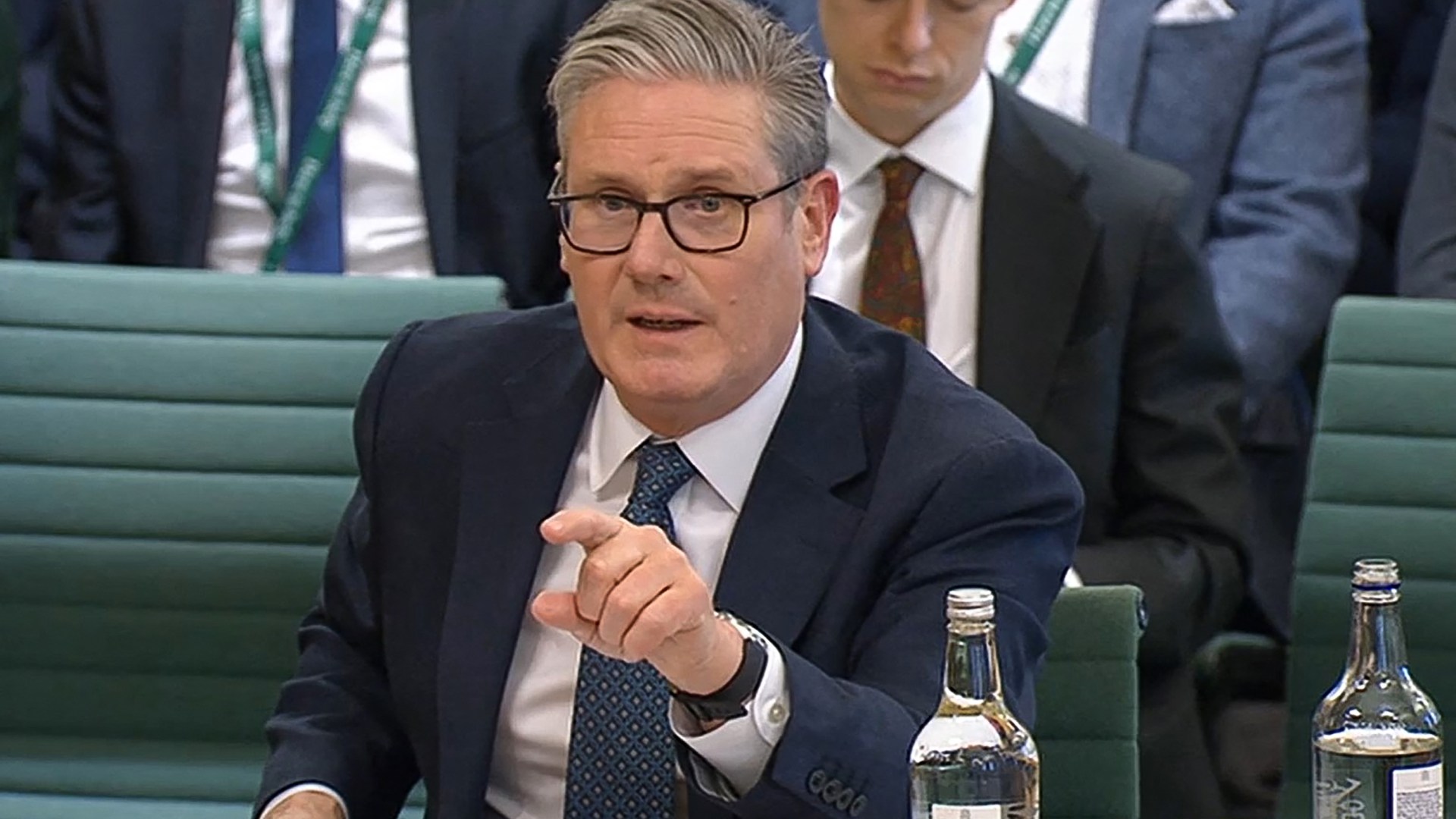
Sir Keir Starmer, the leader of the Labour Party, has publicly declared his opposition to the free movement of people, a key tenet of the European Union membership, stating it is a “red line” for his party. However, this stance appears to be contradicted by the private discussions within the Labour party, particularly among pro-European members. MP Stella Creasy has suggested that there is internal support for reinstating free movement for individuals under 30, indicating a potential shift in Labour’s Brexit position. This perceived discrepancy between Starmer’s public statements and the internal discussions fuels suspicion among some voters that he intends to realign the UK more closely with the EU. The establishment of a team of civil servants dedicated to EU relations further contributes to this perception.
The author argues that any form of free movement would undermine the UK’s border control, potentially leading to a surge in immigration, particularly from young people seeking employment, as many European countries grapple with high youth unemployment. This influx, the author contends, would exacerbate the existing challenges in the UK job market, particularly as the government struggles to address domestic unemployment. The author urges Starmer to unequivocally reject any form of free movement to allay concerns and maintain the UK’s post-Brexit border control.
The recent UK budget has been criticized for its potential negative impact on the hospitality sector. The author argues that the increase in National Insurance contributions will impose an additional £1 billion tax burden on pubs and restaurants, an industry already struggling with closures and economic challenges. The author highlights the significant economic contribution of the hospitality sector, employing 3.5 million people and contributing £93 billion to the economy. The author warns Chancellor Rachel Reeves of the potential job losses and the devastating impact on this vital industry if the current tax policies are not reconsidered.
The author views the potential reintroduction of free movement for under-30s as a betrayal of Brexit and a destructive move. This position is based on the belief that it would lead to uncontrolled immigration, strain public services, and undercut British workers. The author argues that the focus should be on supporting domestic employment rather than opening the doors to competition from young Europeans. This stance is representative of a section of the British public concerned about the potential erosion of the gains they believe were achieved through Brexit.
The author’s critique of the budget’s impact on the hospitality sector reflects a concern for the economic well-being of the country and the potential for job losses. The argument is that the government’s tax policies are exacerbating the challenges faced by businesses already struggling in a difficult economic climate. This critique underscores the author’s belief that the government’s priorities are misplaced and that more attention needs to be paid to supporting struggling businesses. The hospitality sector is presented as a crucial part of the British economy and a vital source of employment.
The overall tone of the article expresses a deep skepticism about any attempts to re-establish closer ties with the EU. The author views such moves as a threat to British sovereignty and economic stability. The arguments presented reflect a hard-line Brexit perspective that emphasizes the importance of maintaining strict border control and prioritizing domestic interests. The author calls for clear and decisive action from the Labour leadership to reassure the public that they will not compromise on the principles of Brexit. The concern over the budget’s impact on the hospitality industry is framed within this broader narrative of protecting British businesses and jobs from perceived external threats.