


The mystery of the Loch Ness Monster continues to captivate the world, with the year 2024 witnessing a modest number of reported sightings, adding to the centuries-old legend. The Official Loch Ness Monster Sightings Register documented five sightings throughout the year, a decrease from the previous year’s total, with three involving visual observations and two based on sonar readings. This dichotomy between traditional eyewitness accounts and modern technological detection reflects the ongoing evolution in the search for the elusive creature. The relative scarcity of sightings in 2024 might be attributed to various factors, from natural fluctuations in animal behavior to the cyclical nature of public interest in the phenomenon.
Among the most compelling pieces of evidence gathered in 2024 were the two sonar readings, considered by some experts to be among the most compelling indicators of Nessie’s existence. One notable incident involved skipper Shaun Sloggie, who detected a large object at a significant depth, a finding he described as both chilling and unprecedented in his experience. These sonar readings, though not definitive proof, lend credibility to the notion that something substantial inhabits the depths of Loch Ness, fueling the debate between believers and skeptics. The use of sonar technology represents a shift towards more scientific investigation, offering a potential avenue for future research into the mysteries of the loch.
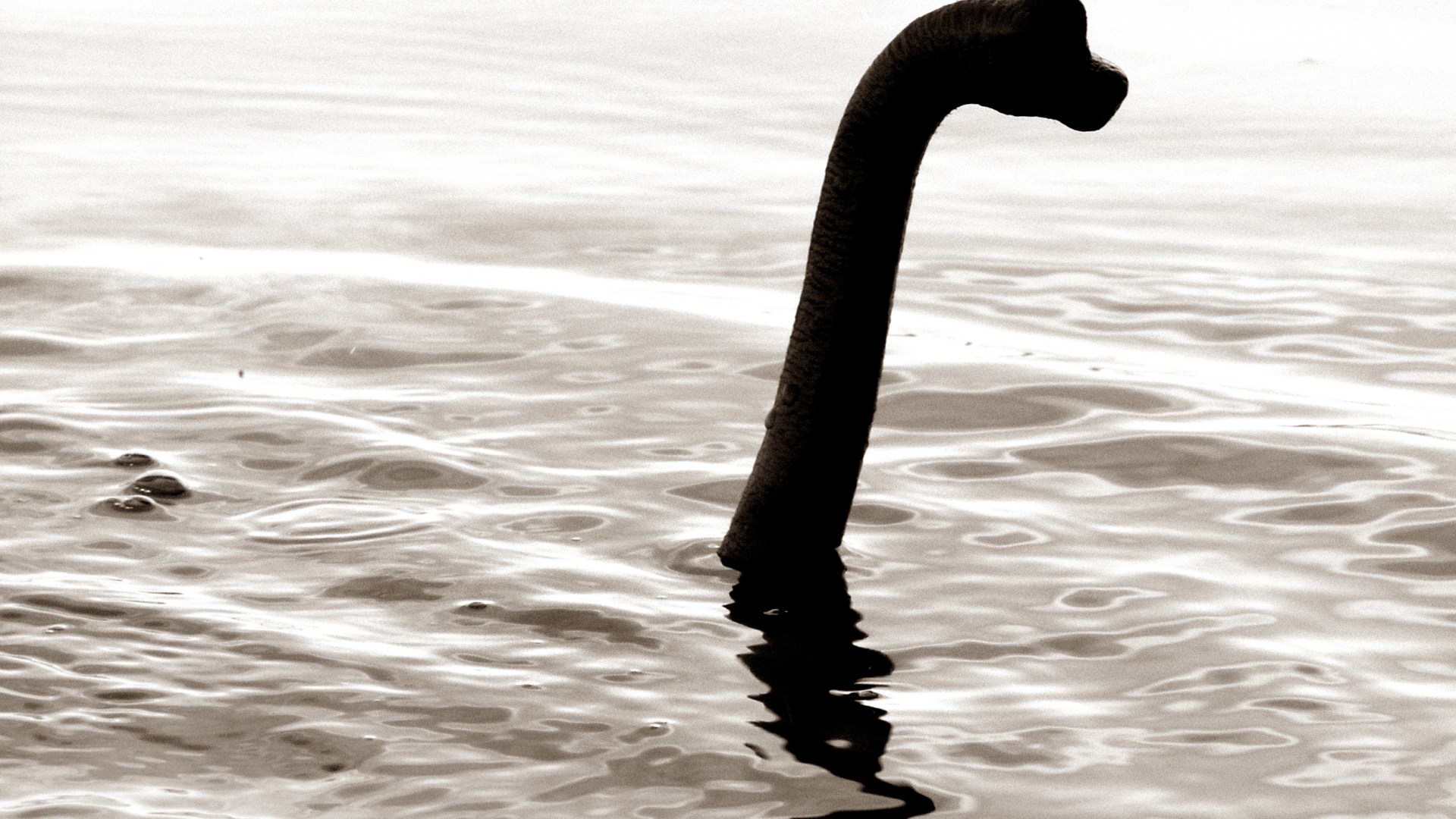
The visual sightings in 2024, while fewer in number, added further intrigue to the Nessie narrative. One sighting involved a family who observed what appeared to be a head above the waves, initially dismissing it as driftwood before reconsidering the possibility of a more extraordinary explanation. These eyewitness accounts, though inherently subjective, contribute to the tapestry of anecdotal evidence that has surrounded the Loch Ness Monster for generations. While such sightings can be influenced by various factors, from misidentification to wishful thinking, they continue to fuel public fascination and drive the ongoing quest for definitive proof.
The Official Loch Ness Monster Sightings Register plays a critical role in documenting and evaluating reported sightings, applying stringent criteria to ensure the validity of the recorded data. This process of scrutiny is essential to distinguish genuine observations from misinterpretations or fabrications. The register, with its comprehensive archive of over a thousand reported sightings, serves as a valuable resource for researchers and enthusiasts alike, providing a historical record of the ongoing search for Nessie. The meticulous documentation of sightings, coupled with the application of rigorous standards, highlights the commitment to a scientific approach in unraveling the Loch Ness enigma.
The year 2024, with its comparatively low number of Nessie sightings, underscores the inherent challenges in investigating a phenomenon shrouded in mystery and speculation. The combination of anecdotal eyewitness accounts and more objective sonar data adds to the complexity of the puzzle, leaving room for both skepticism and belief. The continued absence of definitive proof allows the legend of Nessie to persist, captivating the imagination and inspiring further exploration into the depths of Loch Ness. The enduring mystery surrounding the creature serves as a testament to the human fascination with the unknown and the ongoing pursuit of answers to age-old questions.
The search for the Loch Ness Monster is a testament to the human desire to understand the unknown, a blend of folklore, scientific inquiry, and enduring curiosity. While the sightings in 2024 might not have provided conclusive evidence, they contribute to the ongoing narrative, reminding us that some mysteries remain unresolved, fueling the quest for knowledge and understanding. The continued fascination with Nessie underscores the power of myth and the enduring allure of the unexplained, ensuring that the legend will continue to captivate imaginations for generations to come.