

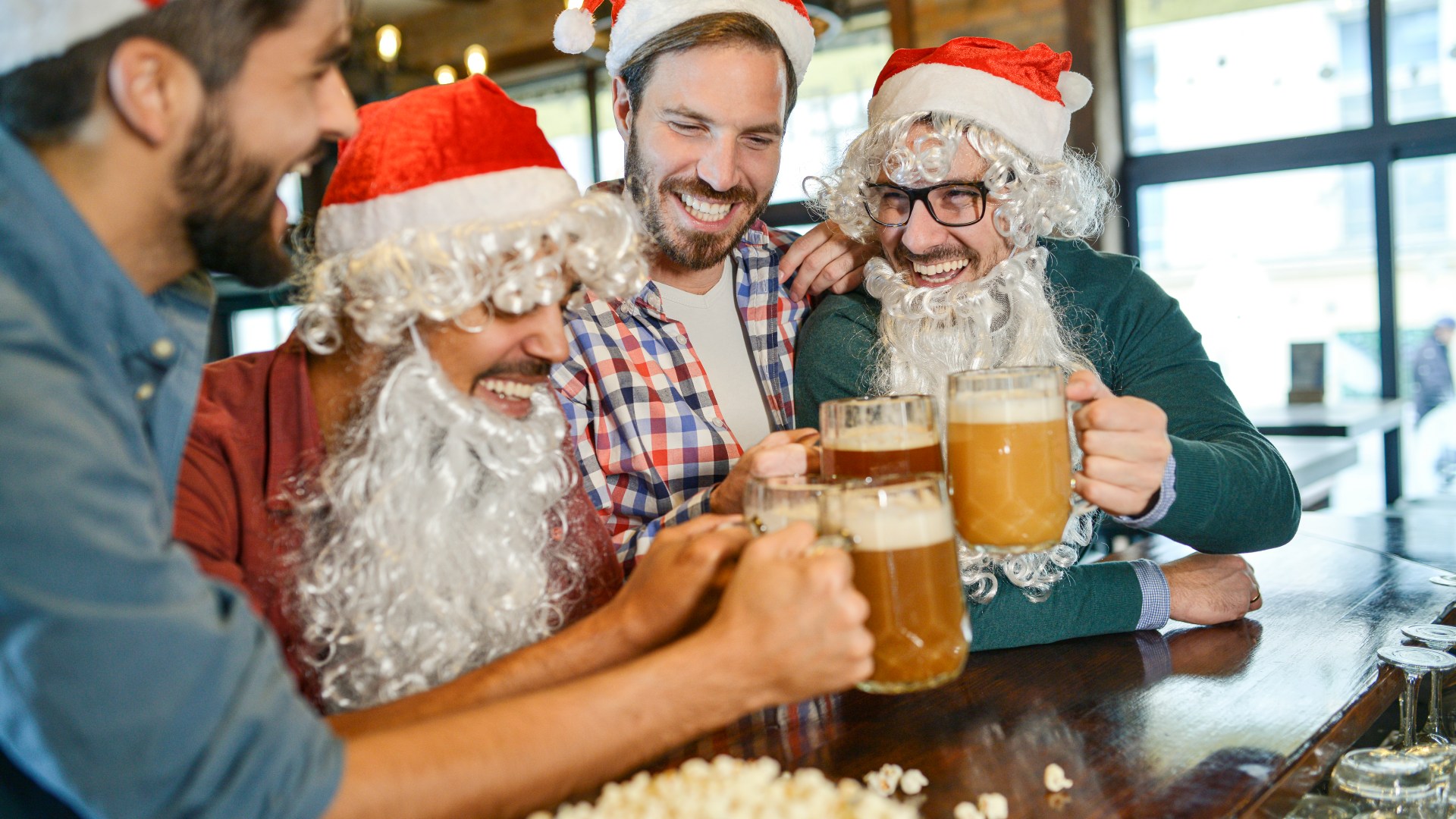
The festive season, with its abundance of celebratory drinks, brings cheer but also a hidden risk for pubgoers: a little-known, 150-year-old law that could land them a £200 fine. Section 12 of the Licensing Act 1872 prohibits drunkenness on licensed premises, a rule rarely enforced but still legally valid. While the law primarily aims to curb disorderly conduct rather than simply penalize intoxication, it serves as a reminder to moderate alcohol consumption, especially during the holidays when festive beverages like mulled wine and eggnog abound. This archaic law extends beyond pub walls, applying to any licensed venue or public space, emphasizing the need for responsible drinking wherever you celebrate.
This obscure regulation underscores the broader legal framework surrounding alcohol consumption in public. Alongside the 1872 Act, the Licensing Act 2003 also holds bartenders accountable for serving intoxicated patrons, subjecting them to a £90 fixed penalty notice, potentially escalating to £1,000 if the case goes to court. While these penalties are infrequently issued, they highlight the legal responsibility of both pubgoers and establishments to ensure responsible alcohol service and consumption. This emphasis on responsible drinking extends to public transport, where alcohol consumption is often prohibited. Transport for London, for example, bans drinking on its network of buses, trams, DLR, and the underground. Remembering these regulations can help avoid fines and ensure a smooth and legal festive celebration.
The legal consequences of excessive drinking extend beyond fines for public intoxication. Driving under the influence carries significantly harsher penalties. Being in charge of a vehicle while exceeding the legal alcohol limit can result in a three-month prison sentence, a £2,500 fine, and a driving ban. Driving while significantly intoxicated carries even more severe consequences: a potential six-month prison sentence, an unlimited fine, and a driving ban of up to 10 years. These stark penalties underscore the gravity of driving under the influence and the importance of planning alternative transportation after consuming alcohol.
Beyond the legal ramifications, individual responses to alcohol also vary considerably. The severity of a hangover, that unwelcome after-effect of a night of drinking, is influenced by a complex interplay of factors, including genetics, drinking habits, and even psychology. Genetic predisposition, particularly the reduced expression of the aldehyde dehydrogenase gene, can impact alcohol metabolism, leading to the characteristic flushing reaction and often more severe hangovers. This genetic influence accounts for a significant portion of hangover variability, approximately 24% in men and 16% in women.
Drinking habits also play a crucial role in hangover severity. The type of alcohol consumed, particularly dark spirits like whiskey and red wine, which contain higher levels of congeners (chemical byproducts of fermentation), can exacerbate hangover symptoms. Additionally, the quantity of alcohol consumed, the speed of consumption, and whether food was consumed beforehand all contribute to the intensity of the subsequent hangover. Surprisingly, psychological factors, such as personality traits and pain tolerance, also influence the hangover experience. Individuals who focus negatively on pain tend to report worse hangovers. The perceived level of intoxication during drinking also strongly predicts the severity of the next-day misery, with factors like stress, tiredness, and drinking speed all amplifying the sensation of drunkenness.
While research continues to explore the intricate relationship between hangover severity and potential health risks, such as addiction, the current advice remains focused on moderation. Consuming alcohol responsibly, pacing oneself, and ensuring adequate food intake before drinking can help mitigate the unpleasant effects of a hangover. Ultimately, enjoying the festive season responsibly involves being mindful of both the legal restrictions and the potential physiological consequences of alcohol consumption, ensuring a cheerful and safe celebration for everyone.