



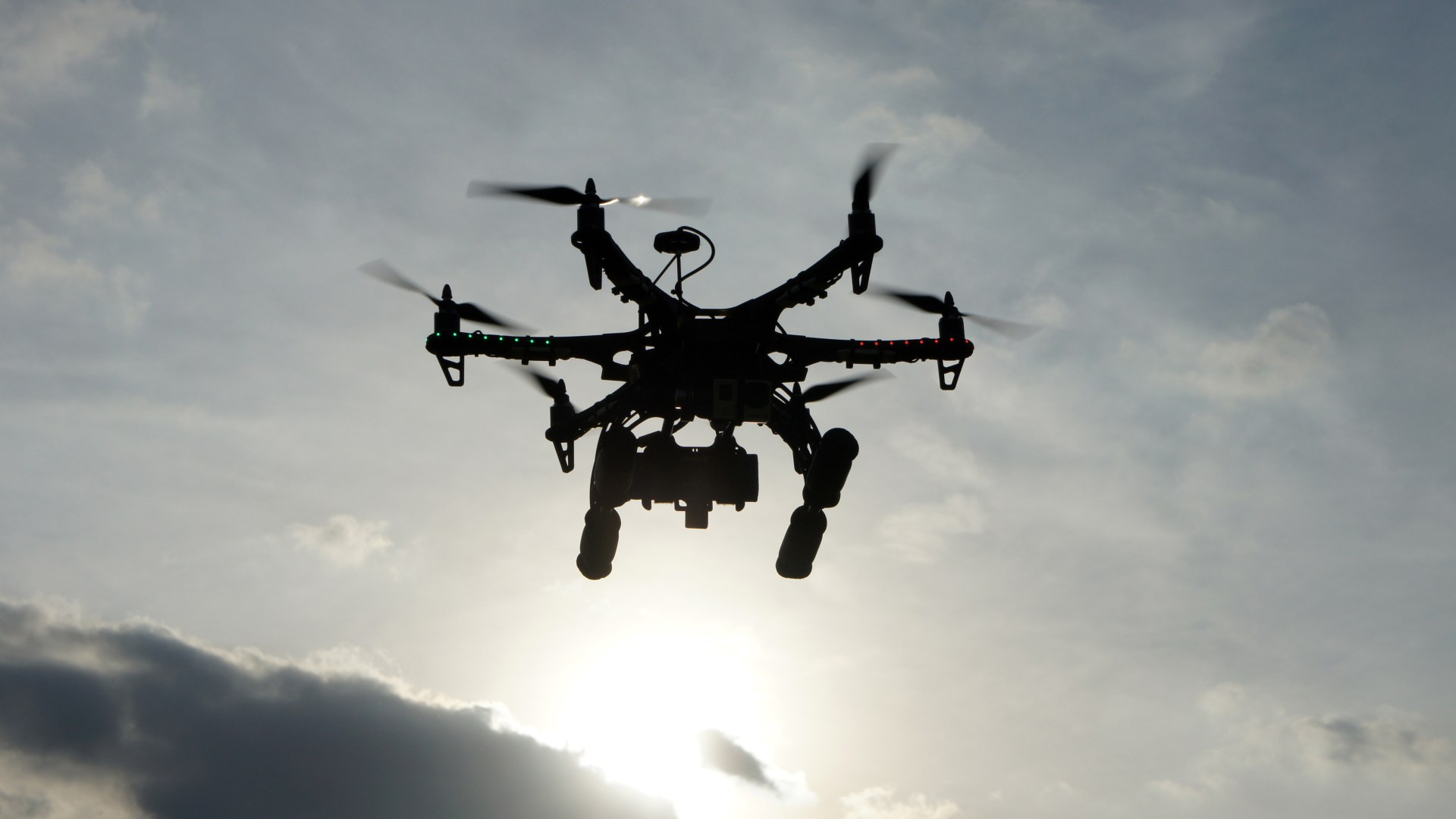
The United Kingdom government has invoked emergency powers to bolster security at key military installations following a series of unexplained drone sightings at several US Air Force bases, including those with links to nuclear weapons. These new regulations impose flight restrictions for unmanned aircraft around a dozen sensitive sites, including airfields, ammunition depots, and bases associated with espionage and missile warning systems. This action underscores growing concerns about potential security breaches and the vulnerability of critical infrastructure to drone-based reconnaissance or sabotage. The new powers enable authorities to prosecute offenders under national security legislation, with penalties for sabotage on behalf of a foreign power potentially reaching life imprisonment.
The drone sightings, which occurred last month at bases including RAF Lakenheath and RAF Fairford, prompted a rapid response involving the SAS, MI5, and specialized anti-drone units. Despite these efforts, no arrests have been made, and it remains unclear whether any of the drones involved have been recovered. The ongoing investigation, led by the Ministry of Defence Police, seeks to determine the origin and purpose of these drone flights. The lack of concrete answers has fueled speculation and raised concerns about the potential involvement of foreign actors in these incidents. The government’s decision to implement these emergency powers reflects the seriousness with which these incidents are being treated.
The newly imposed restrictions prohibit drone flights within a two-nautical-mile radius of designated bases unless they are operating above specified altitudes, typically between 2200 and 3000 feet. The protected sites include a range of strategically important locations, such as RAF Okahangar, home to US Space Force personnel, and RAF Menwith Hill, a vital communications interception and intelligence gathering facility. Other sites covered by these restrictions include RAF Alconbury, RAF Molesworth, and RAF Croughton, all of which host US intelligence personnel, and RAF Welford, reportedly housing a significant munitions stockpile.
The inclusion of RAF Lakenheath, the largest US combat air base in Europe, and RAF Fairford, a key staging point for B-52 strategic bombers, within the protected zone further highlights the strategic importance of these bases and the potential consequences of any security breach. These bases play crucial roles in maintaining regional security and supporting US and allied operations. The government’s swift action in implementing these restrictions demonstrates a commitment to safeguarding these vital assets against potential threats.
The Ministry of Defence has affirmed its commitment to maintaining robust security measures at all defense sites and emphasized the seriousness with which potential threats are addressed. The introduction of these emergency powers, with the potential for severe penalties for offenders, signals a determined effort to deter future drone incursions and protect national security. The ongoing investigation and the implementation of these protective measures underscore the government’s resolve to address this emerging security challenge.
These new regulations represent a significant step in addressing the growing security concerns surrounding drone technology. The potential for drones to be used for surveillance, sabotage, or even attacks on critical infrastructure presents a serious challenge for security agencies worldwide. The UK’s response, involving emergency powers and the potential for severe penalties, underlines the seriousness of this threat and the government’s commitment to protecting its national security interests in the face of this evolving technological landscape. The ongoing investigation and the measures taken thus far highlight the importance of vigilance and proactive measures in safeguarding critical infrastructure against potential drone-related threats.