


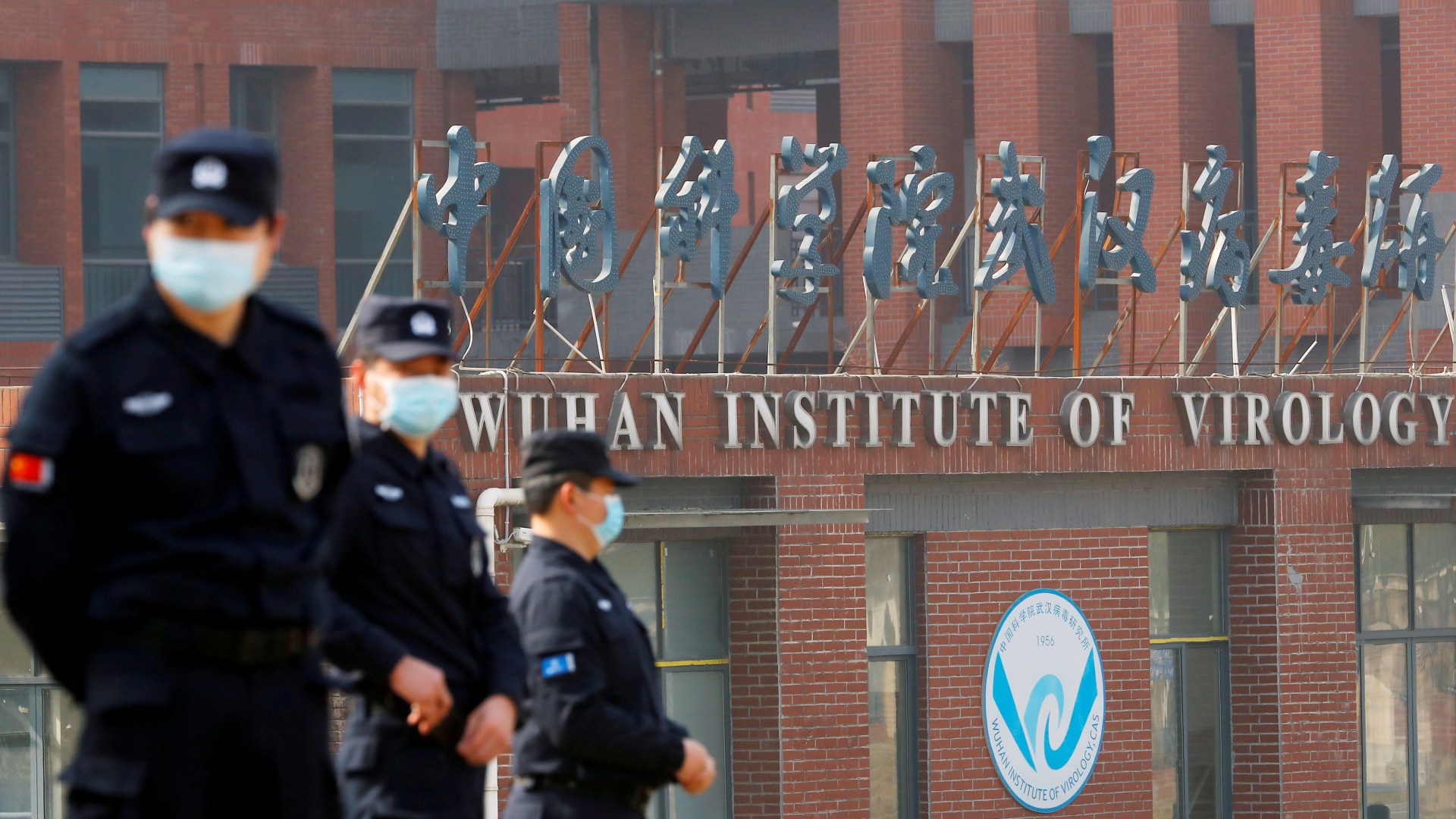
The origins of the COVID-19 pandemic remain shrouded in controversy, with one central figure being the Wuhan Institute of Virology (WIV) and its collaboration with the US-based EcoHealth Alliance. New documents reveal the US government’s backing of a risky virus-hunting project, the Global Virome Project (GVP), led by WIV’s “Batwoman,” Shi Zhengli, and EcoHealth Alliance’s Peter Daszak. This project, aiming to catalog virtually every unknown virus with potential to infect humans, involved collaborators with ties to the Chinese military and raised concerns about data ownership and transparency even before the pandemic began. The US government, including the State Department and USAID, supported the GVP despite acknowledging potential national security risks associated with Chinese leadership in the project.
The GVP, a $3 billion endeavor envisioned to span a decade, sought to identify and study an estimated 500,000 or more unknown viruses. The project’s ambitious scale and involvement of institutions like the Chinese Academy of Military Medical Sciences and BGI, China’s largest genomics sequencing company, raised red flags within the US government. Despite these concerns, the US continued its support, with USAID contributing $1.3 million to the GVP, building upon previous funding for EcoHealth Alliance’s PREDICT project, another virus hunting initiative. This support came despite growing unease surrounding the risks associated with “gain-of-function” research, a technique used to enhance viral transmissibility and virulence, which some experts suspect may have played a role in the pandemic’s origin.
Documents from the US Embassy in Beijing in 2017 reveal a complex interplay of collaboration and concern. While endorsing the GVP, the cable signed by then-Ambassador Terry Branstad acknowledged China’s significant interest and funding of the project, particularly aspects led by Chinese scientists. The cable also highlights unresolved issues regarding data ownership and access, raising questions about the transparency of the Chinese partners. Simultaneously, internal US government communications cautioned against the implications of limited access to information generated by the project, emphasizing potential national security risks if China were to take a leading role.
Despite these reservations, the collaborative research continued. The 2017 cable expressed uncertainty about the involvement of BGI, citing a lack of clarity regarding its commitment to open data access and the company’s substantial ties to the Chinese government. Subsequent events validated these concerns, as BGI was blacklisted by the Pentagon in 2021 for alleged ties to the Chinese military and its involvement in collecting genetic data. This raises questions about the due diligence conducted by the US government in vetting its partners in the GVP.
The outbreak of the COVID-19 pandemic in Wuhan brought the WIV and its collaborative research into sharp focus. Thousands of viral samples, including those from bats, humans, and rodents, collected as part of US-backed projects, remained locked in freezers at the WIV, inaccessible to international investigators. Despite attempts by the State Department to obtain these samples, access was denied. This lack of transparency fueled suspicions surrounding the lab leak theory and hampered investigations into the pandemic’s origins. The US government has since suspended funding to EcoHealth Alliance and banned the WIV from receiving US funds, highlighting the fallout from the controversy.
The GVP, intended to prevent future pandemics by identifying and studying potential viral threats, ironically became entangled in the origins of the COVID-19 pandemic. The US government’s support for the project, despite awareness of potential risks and transparency concerns, underscores the complex dynamics of international scientific collaboration, particularly when national security interests and the potential for dual-use research are involved. The ongoing debate surrounding the pandemic’s origins and the role of the WIV serves as a sobering reminder of the need for robust oversight and transparency in high-risk research, especially when international collaborations are involved.