


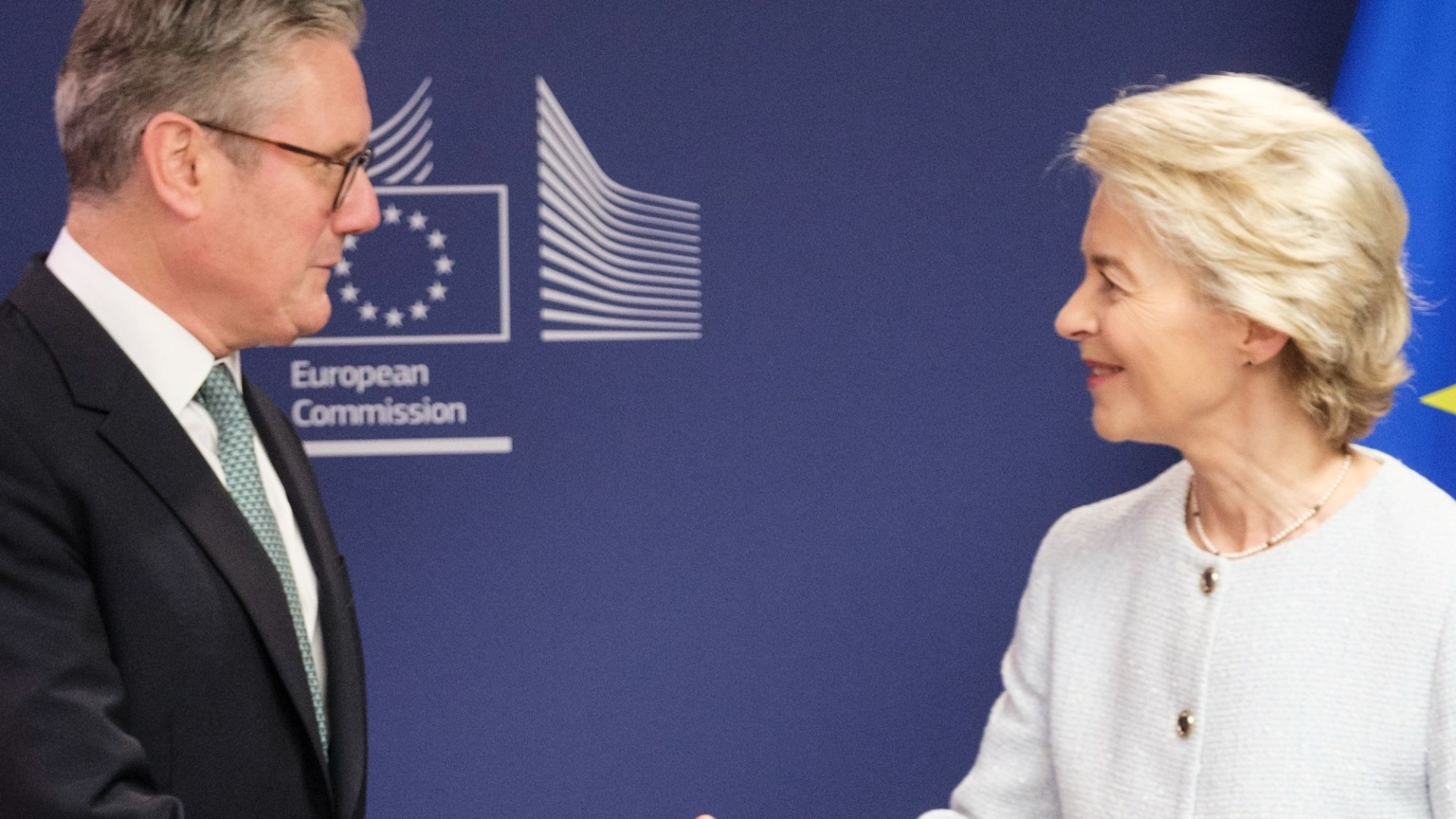
Keir Starmer’s stance on the EU presents a critical juncture for his leadership and public trust in the Labour Party. Over the past five months, public trust in Starmer has eroded significantly, reflected in Labour’s poor polling performance. His approach to Brexit and the EU will either rebuild that trust or further diminish it. The current political climate, marked by a cost-of-living crisis and lingering Brexit tensions, demands clear and decisive leadership. Starmer’s challenge is to navigate these complex issues while reassuring the public of his commitment to their interests. He faces a crucial decision: whether to align with the perceived desires of some within his party to seek closer ties with the EU, potentially risking alienating a significant portion of the electorate, or to solidify his position on Brexit and chart a distinct course for the Labour Party.
The Prime Minister’s call for a Brexit “reset” with Brussels appears largely symbolic to many. Existing relations are generally amicable, and the current trade deal, despite its imperfections, functions adequately. The EU’s potential renegotiation demands, including long-term access to UK fishing waters, free movement for under-30s, and the jurisdiction of the European Court of Justice, are seen as unreasonable and incompatible with the core principles of Brexit. Public opinion firmly supports maintaining control over UK fishing waters, especially amidst concerns about the impact of mass migration on public services. The notion of returning to the jurisdiction of the European Court of Justice after having left the EU is viewed as a betrayal of the Brexit vote.
Suspicions linger that Starmer, a former supporter of a second Brexit referendum, may harbor intentions to gradually lead the UK back into closer alignment with the EU, ultimately paving the way for potential rejoining. To dispel these concerns, Starmer must unequivocally reject the EU’s demands. The EU’s perceived motivation for revenge after Brexit fuels skepticism about its willingness to negotiate in good faith. This contrasts sharply with the UK’s relationship with the United States, a closer and more economically dynamic partner. Focusing on strengthening ties with the US and partners within the Comprehensive and Progressive Agreement for Trans-Pacific Partnership (CPTPP) offers a more promising avenue for economic growth.
The US presents a far more significant economic opportunity than attempting to fine-tune the existing EU arrangement. While the US economy experiences robust growth, Germany faces economic contraction and France grapples with political and financial instability. The optimistic view of the EU held by some prior to the 2016 referendum appears increasingly detached from reality, especially as the EU struggles with internal challenges. The government’s repeated assurances of no return to the single market, customs union, or free movement are met with public skepticism, particularly given previous broken promises on tax increases. The existence of a government unit seemingly dedicated to exploring closer EU ties raises further concerns.
The Prime Minister must prioritize Britain’s sovereignty and independence over internal pressures from those advocating for closer EU alignment. Failure to do so risks handing the opposition a significant political advantage. Starmer’s challenge lies in balancing the potentially conflicting desires within his own party while addressing the broader public concern about the economic implications of Brexit and the government’s handling of the economy. His response to the EU’s demands will be a defining moment for his leadership, shaping public perception and potentially influencing the political landscape in the lead-up to the next general election.
The focus should be on leveraging the opportunities presented by partnerships with the US and the CPTPP, rather than expending energy on renegotiating aspects of Brexit with a seemingly intransigent EU. Building strong and mutually beneficial relationships with these partners offers a more promising path to economic prosperity and global influence. Starmer’s ability to articulate a clear and compelling vision for the UK’s future outside the EU, while addressing the economic anxieties of the public, will be crucial for restoring trust and positioning Labour as a credible alternative government. His choices on the EU will not only determine his own political fate but also shape the future trajectory of the UK’s relationship with Europe and the wider world.