

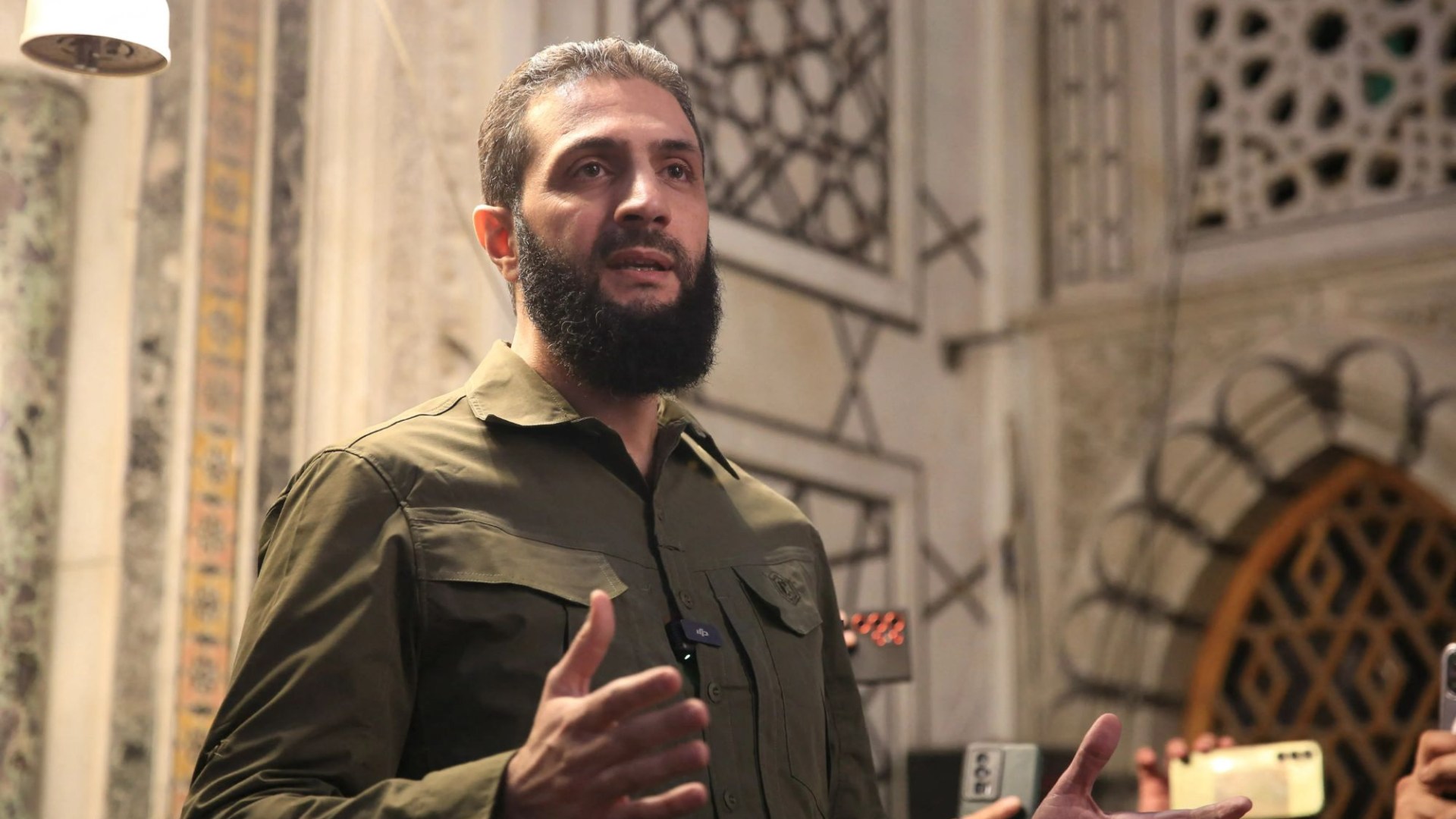
Following the overthrow of Bashar al-Assad’s regime in Damascus by rebel forces, the atrocities committed within the notorious Sednaya Prison, a symbol of Assad’s brutal rule, have been brought to light. Rebel leader Ahmed al-Sharaa, formerly known as Abu Mohammed al-Jolani, has vowed to hold accountable those responsible for the widespread torture and killings that took place within the prison walls. The discovery of mass graves, piles of clothing and shoes belonging to the deceased inmates, and chilling footage documenting the extent of the brutality has shocked the world and galvanized the resolve of the new leadership to pursue justice. Thousands of former prisoners, bearing the physical and psychological scars of their ordeal, have emerged from Sednaya and other detention centers, offering harrowing testimonies of the systematic abuse they endured.
Sednaya Prison, dubbed the “Human Slaughterhouse,” became synonymous with the Assad regime’s repression. Former inmates recount horrific tales of torture, including beatings, electrocution, and the use of pliers and staples to inflict pain. Guards reportedly engaged in sadistic practices, forcing prisoners to act like animals for their amusement and subjecting them to extreme temperatures. The prison operated under a “special rule” where any sound or glance towards a guard could result in a death sentence. The daily routine was marked by deprivation, with meager food rations scattered on cell floors contaminated with blood and dirt. The accounts paint a picture of a calculated system designed to dehumanize, break, and ultimately kill those imprisoned within its walls.
The liberation of Sednaya Prison has revealed the extent of the Assad regime’s brutality. The discovery of a secret compartment containing piles of clothes and shoes belonging to the deceased, alongside horrifying footage of mass graves, provides chilling evidence of the systematic killing that took place within the prison’s walls. Reports of mass hangings occurring one or twice a week, typically in the dead of night, add to the growing evidence of widespread extrajudicial executions. A human iron press, allegedly used to crush prisoners to death, has been found, alongside numerous nooses used for hangings, further solidifying the image of Sednaya as a place of unspeakable cruelty.
The testimonies of survivors and the physical evidence uncovered within Sednaya paint a grim picture of the Assad regime’s systematic human rights abuses. Former detainees recount being raped and forced to rape other inmates. Torture was a routine form of punishment, leading to permanent disabilities and death. Cells were coated in the blood and pus of tortured prisoners, with bodies routinely collected each morning. These practices, amounting to war crimes and crimes against humanity, were reportedly authorized at the highest levels of the Syrian government. The discovery of the “Caesar” files in 2013, a collection of over 55,000 photographs smuggled out of Syria, documented the torture and deaths of over 11,000 prisoners between 2011 and 2013, providing early evidence of the horrors taking place within the regime’s detention centers.
International human rights organizations have condemned the atrocities committed within Syrian prisons, calling for accountability and an end to the impunity enjoyed by the perpetrators. Amnesty International and Human Rights Watch have documented extensive evidence of torture, extrajudicial killings, and other human rights violations, urging the international community to pressure the Syrian government and its allies, Russia and Iran, to end these practices. The Syrian Network for Human Rights estimates that over 157,000 people remain under arrest or have been forcibly disappeared since the start of the government crackdown in 2011, including over 5,000 children and 10,000 women. Over 15,000 individuals are believed to have died under torture.
The fall of the Assad regime and the liberation of Sednaya Prison offer a critical opportunity for justice and accountability. Rebel leader Ahmed al-Sharaa has pledged to pursue those responsible for the atrocities committed within Syria’s prisons. The sheer scale of the abuses uncovered underscores the urgent need for a comprehensive investigation and prosecution of those involved. The international community must support efforts to document the crimes, preserve evidence, and ensure that victims and their families receive justice and redress. The horrors of Sednaya must serve as a stark reminder of the consequences of unchecked power and the imperative to protect human rights, even in times of conflict.