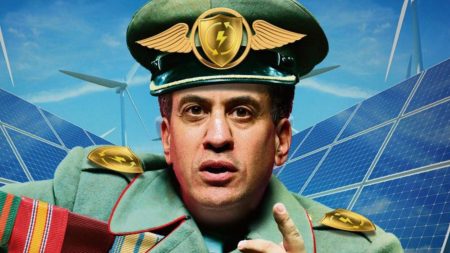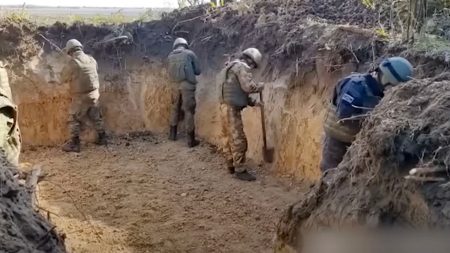




The recent political landscape in the UK has been stirred by a contentious debate regarding the 2013 parliamentary vote against military intervention in Syria. Wes Streeting, the current Health Secretary, has publicly criticized Ed Miliband, the then-Labour leader and now Energy Secretary, for his decision to oppose air strikes against Bashar al-Assad’s regime following the use of chemical weapons on Syrian civilians. Streeting argues that this inaction created a vacuum that Russia subsequently filled, prolonging Assad’s rule and exacerbating the Syrian conflict. He contends that swifter Western intervention could have potentially removed Assad from power and prevented the protracted humanitarian crisis that ensued.
This critique centers on the hypothetical outcomes of a different course of action in 2013. Streeting posits that a more decisive response from the West, including the UK and the United States, could have altered the trajectory of the Syrian war. He suggests that the hesitation displayed by these powers emboldened Russia to intervene and support Assad, thereby solidifying his grip on power. Streeting emphasizes the gravity of inaction, arguing that choosing not to intervene carries consequences just as significant as taking action. This perspective frames the 2013 decision as a missed opportunity to prevent the escalation of the Syrian conflict and the subsequent rise of Russian influence in the region.
Miliband, however, maintains that the decision to oppose military intervention was justified due to the lack of a clear plan for British military engagement. He emphasizes the lessons learned from the Iraq War, arguing against intervention without a well-defined strategy, including a clear exit strategy. He asserts that the decision in 2013 was not about whether to remove Assad, but rather about whether a limited bombing campaign without a comprehensive plan was the right course of action. Miliband’s stance underscores the importance of cautious and strategic decision-making when contemplating military intervention, prioritizing long-term planning over impulsive reactions.
The core disagreement between Streeting and Miliband revolves around the potential consequences of intervention versus inaction in the Syrian crisis. Streeting emphasizes the potential benefits of early intervention, arguing that it could have averted a prolonged conflict and prevented Russian involvement. Miliband, on the other hand, highlights the risks of intervention without a comprehensive plan, drawing parallels with the Iraq War and emphasizing the potential for unintended consequences. This clash of perspectives highlights the complex and often unpredictable nature of international relations and the challenges of assessing the potential outcomes of different courses of action in complex geopolitical situations.
The debate also raises broader questions about the role of the UK in international conflicts and the responsibility of political leaders to make difficult decisions in times of crisis. Streeting’s position reflects a more interventionist approach, advocating for decisive action to prevent humanitarian crises and promote stability. Miliband’s stance, conversely, emphasizes the need for careful consideration and strategic planning before committing to military intervention, highlighting the potential for unintended consequences and the importance of learning from past mistakes. This fundamental difference in approach reveals the ongoing tension within the political sphere regarding the UK’s role on the global stage and the appropriate response to international crises.
The recent developments in Syria, with Assad fleeing to Moscow after being overthrown by rebels, further complicate the narrative surrounding the 2013 decision. While the collapse of Assad’s regime might appear to vindicate Streeting’s argument for earlier intervention, it also underscores the complexities of predicting the long-term outcomes of such actions. The current focus on the safety of civilians and a peaceful transition of power highlights the ongoing challenges in Syria and the need for continued international engagement. The UK government’s priority remains ensuring stability and preventing further humanitarian suffering, a goal that requires navigating a complex political landscape and addressing the multifaceted consequences of the protracted conflict.