



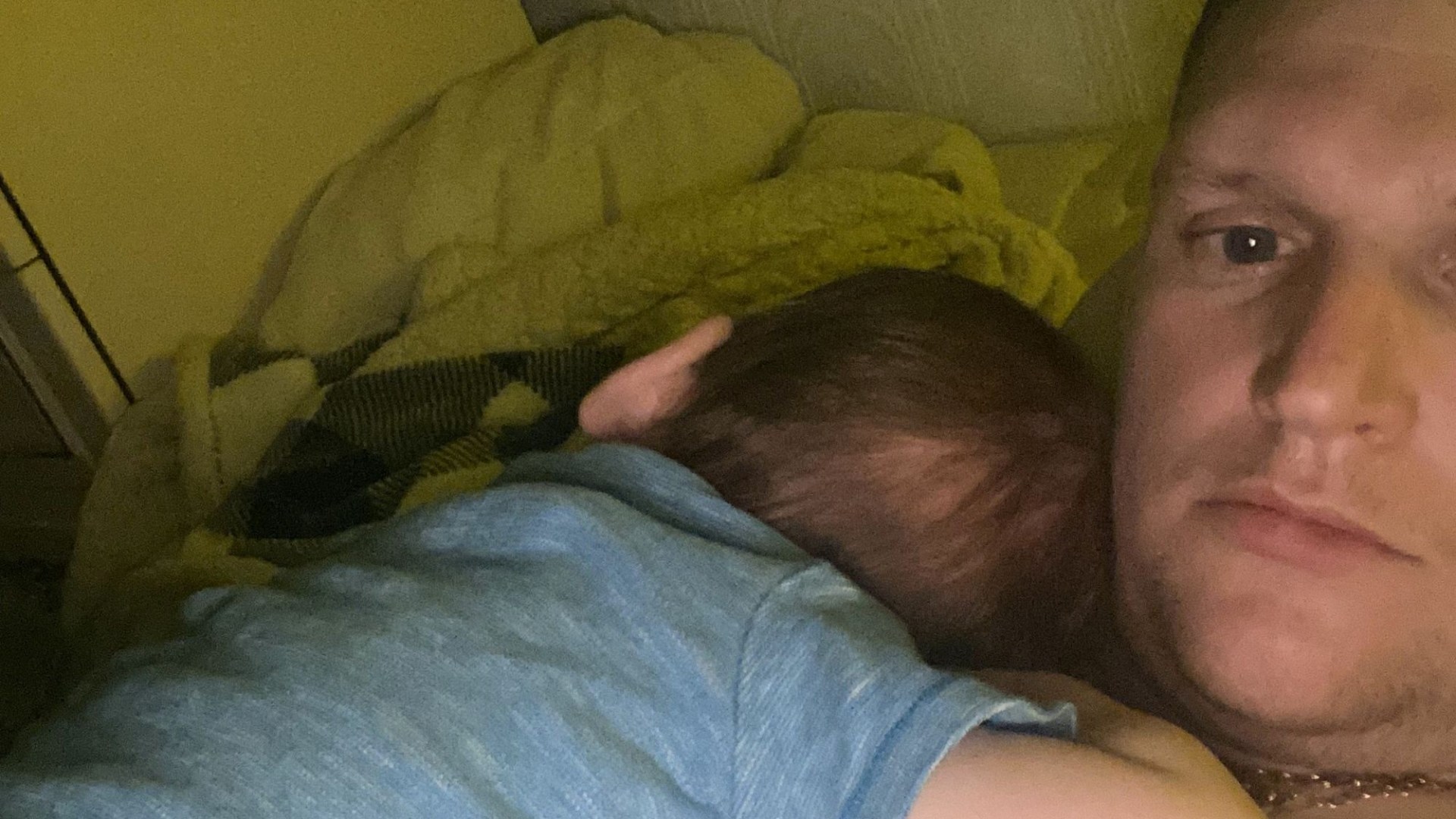
Christopher Stockton, a 38-year-old man, has been found guilty of murdering his one-year-old stepson, Charlie Roberts. Stockton’s fabricated story about the toddler choking on a Hobnob biscuit failed to convince the jury at Teesside Crown Court, who, after a harrowing five-week trial, delivered a guilty verdict on charges of murder and child neglect. The court heard how Stockton shook Charlie with such brutal force that it caused irreparable brain damage, leading to the child’s death. This act of violence was not an isolated incident; the trial revealed a pattern of abuse inflicted upon Charlie by both Stockton and the child’s mother, Paula Roberts, 41. Roberts pleaded guilty to a single charge of child neglect midway through the trial. Both Stockton and Roberts await sentencing in the new year.
The tragic events unfolded on January 12th when paramedics responded to a 999 call from Stockton, who claimed Charlie had choked while playing. Stockton’s demeanor during the call was described as remarkably calm, even speaking to the unresponsive child in a soothing tone. This unusual composure raised red flags for experienced paramedics and medical professionals who later listened to the recording. Upon arrival, paramedics found no obstruction in Charlie’s airway, and subsequent medical examinations revealed the true extent of the toddler’s injuries – an unsurvivable brain injury caused by violent shaking. The prosecution argued that the force required to inflict such devastating injuries would have rendered Charlie unconscious almost immediately, debunking Stockton’s claim that the child had been walking and talking after the alleged choking incident.
Charlie tragically succumbed to his injuries at a Newcastle hospital on January 13th. The prosecution presented evidence of a pattern of “cruel and uncaring” injuries inflicted on Charlie in the seven months leading up to his death. This evidence included testimony from family members and nursery staff who had observed bruises on the child. Charlie’s paternal grandfather, Ken Greenwell, provided heart-wrenching testimony about the child’s noticeably thin frame and developmental delays, suggesting a history of neglect. He recalled how Charlie struggled with basic motor skills like pulling himself up and sitting unsupported, and despite not being a greedy child, he always seemed hungry.
Adding another layer to the disturbing narrative, the court learned that Roberts had installed a hidden camera in Charlie’s room months before his death. This occurred after her relationship with Stockton became strained, and she expressed concerns about him to her brother. The Amazon-purchased camera, disguised within a hanging basket, served as a silent witness to the unfolding tragedy, though the specific footage captured remains undisclosed in the provided summary. Roberts’ installation of the camera underscores a growing suspicion and unease regarding Stockton’s treatment of Charlie.
The evidence presented by the prosecution painted a bleak picture of Charlie’s short life, marred by abuse and neglect. Stockton’s attempts to deflect blame by fabricating a story about a choked biscuit ultimately failed to sway the jury. His calm demeanor during the 999 call, juxtaposed with the severity of Charlie’s injuries, further undermined his credibility. The jury’s guilty verdict confirms their belief that Stockton intentionally inflicted the fatal injuries upon Charlie. The case highlights the devastating consequences of child abuse and the importance of vigilance in protecting vulnerable children.
The upcoming sentencing hearing will determine the length of Stockton’s life sentence. Roberts, who admitted to neglecting her son, will also receive her sentence at the same hearing. This case serves as a somber reminder of the devastating impact of child abuse and the crucial role of timely intervention in safeguarding children’s well-being. The details revealed during the trial offer a glimpse into the tragic final months of Charlie’s life, marked by both physical abuse and neglect. The court’s decision provides a measure of justice for Charlie, though it cannot undo the irreparable harm inflicted upon him.