


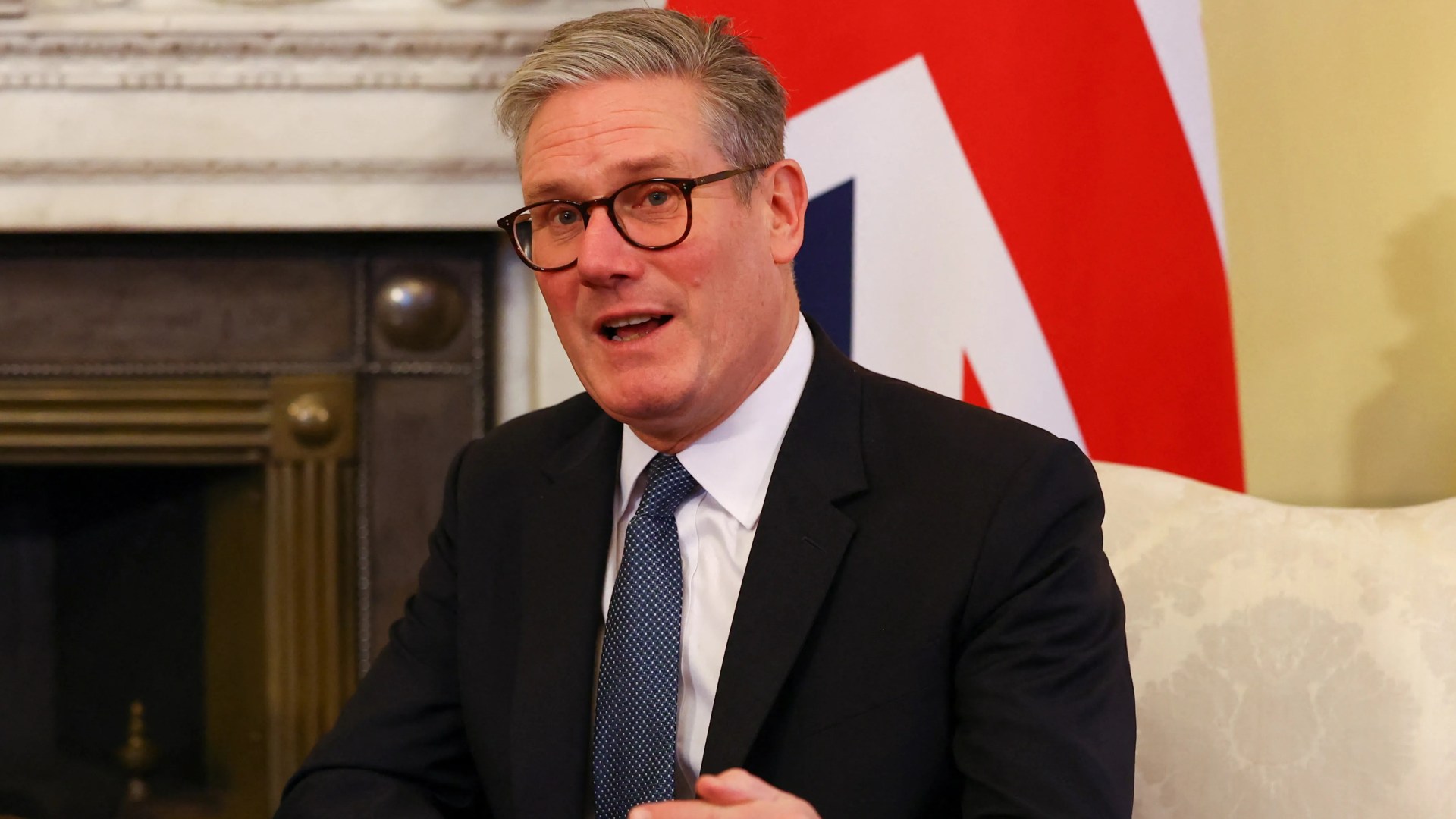
Sir Keir Starmer’s ambitious housing plan, aiming to construct 1.5 million homes by 2029, faces a significant hurdle: the sheer scale of resources required. Estimates suggest a staggering 300,000 new construction workers would be needed to achieve this target, translating to a relentless pace of over 900 homes built daily. This monumental undertaking raises a critical question: how can such a workforce be assembled without relying heavily on migrant labor? The implications of importing a large foreign workforce are multifaceted, including the added strain on existing housing stock and the potential to exacerbate already inflated property prices. A more sustainable solution lies in bolstering domestic talent, a task that necessitates a significant overhaul of the existing apprenticeship scheme. Current programs are often misused by companies and fail to adequately equip young Britons for construction roles. Concurrently, the government must actively encourage and facilitate the transition of unemployed individuals into vocational training. These efforts, while crucial, will require time to yield a skilled workforce, putting immense pressure on Starmer to address the skills gap swiftly and effectively. Failure to do so could lead to the collapse of his ambitious housing plans.
The government’s commitment to streamlining planning regulations is a crucial step towards expediting new housing development. For too long, bureaucratic red tape has stifled construction efforts, obstructing the development of much-needed homes. However, merely dismantling these regulations is insufficient; a comprehensive strategy is required to address the multifaceted challenges hindering housing construction. A key obstacle is the shortage of skilled labor within the construction sector. Addressing this requires a two-pronged approach: strengthening existing apprenticeship programs and incentivizing the unemployed to pursue vocational training. Apprenticeship schemes must be reformed to ensure they effectively prepare young people for the demands of the construction industry. Simultaneously, initiatives to encourage and support the unemployed in acquiring construction skills are essential. These initiatives must encompass both training and job placement assistance, ensuring that newly skilled workers can readily contribute to the construction workforce.
The UK’s reliance on migrant labor in the construction sector is a double-edged sword. While foreign workers can fill immediate labor shortages, their influx can strain existing housing resources and contribute to rising house prices. A long-term solution necessitates investing in domestic talent development, ensuring a sustainable and self-reliant construction workforce. This requires a fundamental shift in approach, moving away from quick fixes towards a strategic investment in training and upskilling the UK workforce.
Beyond the workforce challenge, Starmer’s housing plan must grapple with broader economic considerations. The influx of a large foreign workforce can create its own set of pressures, including increased demand for housing and potential upward pressure on property prices, further exacerbating affordability challenges. The government must carefully consider these potential consequences and implement mitigating measures to ensure that the drive for new housing does not inadvertently worsen the existing housing crisis. This requires a holistic approach that considers not only the supply of new homes but also the broader economic and social impacts of rapid construction and population growth.
Prince William’s increasing presence on the world stage, exemplified by his meeting with US President Donald Trump at the reopening of Notre Dame Cathedral, signals his growing role as a future head of state. His poise and maturity in representing Britain during this significant event underscore his preparedness for future responsibilities. The Prince’s emphasis on the Special Relationship between the US and Britain holds particular importance given the uncertainties surrounding Trump’s foreign and trade policies. This proactive engagement in international affairs not only strengthens diplomatic ties but also positions him as a key figure in future state visits and global summits. This evolving role complements King Charles’s future role as monarch, with Prince William providing crucial support in navigating complex international relationships.
The symbolism of Prince William representing Britain in such a high-profile event carries significant weight, particularly given the sometimes strained relationship between the UK government and the Trump administration. Some members of the UK cabinet have been openly critical of Trump, creating potential diplomatic complexities. In this context, the Royal Family’s ability to maintain cordial and productive relationships with international leaders, regardless of political differences, becomes even more vital. Prince William’s adept handling of this delicate diplomatic situation demonstrates his growing capacity to navigate the complexities of international relations, a crucial skill for a future head of state. His involvement underscores the enduring importance of the monarchy in maintaining and strengthening international ties, providing a crucial bridge in times of political uncertainty or disagreement.