



The Christmas getaway has been significantly disrupted by severe gales reaching up to 70 mph, impacting flights, ferries, and road travel across the UK. The Met Office issued wind warnings covering Scotland, Wales, Northern Ireland, and large swathes of England, including the North East, North West, South West, West Midlands, Yorkshire, Derbyshire, and Hampshire. These warnings remained in effect for over 24 hours, highlighting the severity and duration of the adverse weather. Adding to the travel woes, snow was also forecast for parts of Scotland, particularly in hilly regions, with the possibility of sleet, snow, and hail reaching lower levels, potentially leading to icy conditions. This combination of high winds and wintry precipitation created challenging conditions for travellers attempting to reach their destinations for the Christmas holidays.
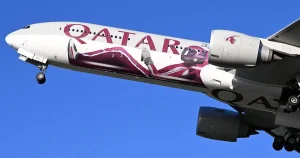
The strong winds and resulting airspace restrictions led to flight cancellations at Heathrow Airport, impacting several airlines, including British Airways. While the majority of flights were expected to operate as scheduled, airlines offered flexibility to passengers, including free flight changes for short-haul journeys and rebooking or refund options for those whose flights were directly affected by the cancellations. The disruption extended beyond air travel, with ferry services also severely impacted. P&O Ferries cancelled sailings between Larne and Cairnryan, while CalMac, operating on Scotland’s west coast, reported widespread disruptions and cancellations across its routes. This further complicated travel plans for those relying on ferry services, particularly in Scotland and Northern Ireland.
The widespread travel disruptions coincided with one of the busiest travel periods of the year, with millions of people taking to the roads to spend Christmas with loved ones. The AA estimated that over 20 million drivers were expected on the roads over the weekend, creating significant congestion even in the absence of adverse weather. The combination of heavy traffic and severe weather conditions raised concerns about a “perfect storm” scenario, prompting warnings from both the AA and the RAC for drivers to allow extra travel time and maintain safe distances. Specific congestion hotspots were identified, including major routes around London, the M53 between Liverpool and Chester, the A34 and M3 connecting Oxford to the south coast, and sections of the M5 in the South West.
The challenging weather conditions were not limited to the UK. Stormy weather was reported in other parts of Europe as well, further affecting travel plans for those travelling internationally. The widespread nature of the disruptive weather underscored the impact on travellers attempting to reach their destinations for the holiday period. The combination of flight cancellations, ferry disruptions, and congested roads created a complex and frustrating situation for many.
Heathrow Airport, anticipating a record-breaking Christmas travel period, had projected a significant increase in passenger numbers compared to the previous year. The airport’s forecasts, based on a busy November, suggested that December would likely surpass the previous record for passenger volume. This anticipated surge in travellers further magnified the impact of the weather-related disruptions, as even minor delays and cancellations could affect a large number of people. The combination of the pre-existing expectation of high passenger numbers and the unexpected weather challenges created a significant strain on airport resources and staff.
The overall picture painted by the events is one of widespread travel chaos across the UK, driven by severe gales and wintry conditions. The combined effect of flight cancellations, ferry disruptions, and heavy road traffic, exacerbated by snow and ice in some areas, created a challenging and stressful experience for many attempting to travel during the Christmas period. The warnings issued by meteorological agencies and motoring organizations emphasized the need for caution and preparedness, highlighting the potential for further disruptions and delays. The situation underscores the significant impact that adverse weather can have on travel infrastructure, particularly during peak periods like the Christmas holidays.