



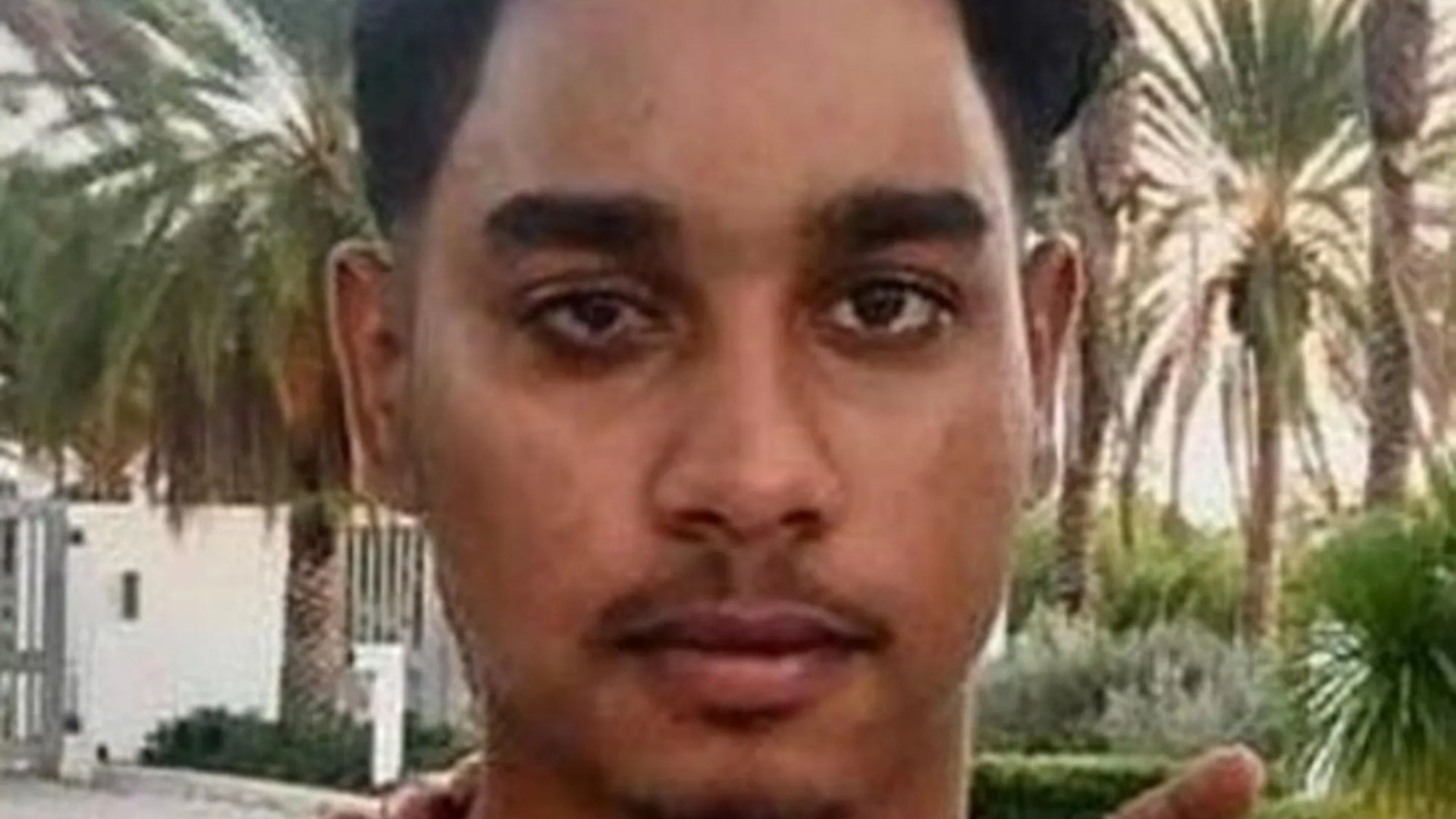
The tragic case of Shawn Seesahai’s murder sent shockwaves through the UK, marking a grim milestone in the nation’s criminal justice history. Two 12-year-old boys, the youngest individuals convicted of murder since the James Bulger case in 1993, ambushed and brutally killed the 19-year-old in a Wolverhampton park. This senseless act of violence, fueled by the casual carrying of a machete, highlighted the disturbing trend of knife crime among young people and sparked a national debate about the effectiveness of the justice system in dealing with such horrific offenses. The attack itself was swift and merciless. Shawn, who was visiting the Midlands to recover from cataract surgery, was enjoying a peaceful afternoon with friends when the two boys, accompanied by two girls, entered the park. Unprovoked and without warning, one of the boys initiated the attack, shouldering Shawn before drawing the machete from his trousers. Shawn’s desperate cry of “run” to his friend was tragically his last act as he was repeatedly hacked with the blade while defenceless on the ground.
The sheer brutality of the attack was horrifying. The machete, measuring a staggering 42.5cm, inflicted devastating injuries to Shawn’s back, legs, and skull, with such force that a piece of bone was detached from his skull. While one boy wielded the machete, the other joined the assault, punching and stamping on Shawn’s head. The prosecution emphasized the callous nature of the attack, highlighting that Shawn offered no resistance and posed no threat to the boys. He was simply a victim of their senseless violence. The subsequent actions of the killers revealed a chilling attempt to evade responsibility. They attempted to shift blame onto each other and fabricated alibis, claiming they were playing video games at the time of the murder. However, police investigations quickly uncovered damning evidence. The murder weapon, a machete, was found hidden under one of the boy’s beds, and searches of their phones revealed disturbing images of knives and online searches related to criminal records and leaving the country. One of the boys had even posed with the machete just hours before the attack, suggesting a premeditated element to their crime.
The initial sentencing of the boys, now 13, to life imprisonment with a minimum term of eight years and six months, sparked controversy and calls for a harsher punishment. Critics argued that the leniency of the sentences failed to reflect the gravity of the crime and the devastating impact on Shawn’s family. The Solicitor General, agreeing with this sentiment, appealed the sentences, arguing they were “unduly lenient” for a “particularly serious type of case”. This appeal was successful, and the Court of Appeal increased the minimum term to ten years, acknowledging the horrific nature of the crime and the need for a more appropriate punishment.
The increase in the minimum sentence offered some solace to Shawn’s grieving family, who described the profound and lasting impact of his death. They spoke of their heartbreak and sleepless nights, haunted by the thought of Shawn’s final moments and the fear he must have experienced. They painted a picture of a loving, helpful, and hardworking young man whose life was tragically cut short. The family’s grief underscored the devastating consequences of knife crime, not only for the victim but also for the loved ones left behind to grapple with the unbearable pain of loss.
This case has reignited the national conversation about knife crime, particularly among young people. The disturbing ease with which the young perpetrators obtained and carried a machete, coupled with the seemingly casual nature of the attack, raises serious questions about the accessibility of weapons and the underlying causes of such violence. It prompts a deeper examination of societal factors that contribute to youth violence, including social deprivation, lack of opportunities, and the influence of violent media. The case underscores the urgent need for effective interventions to address the root causes of knife crime and prevent future tragedies.
The murder of Shawn Seesahai serves as a stark reminder of the devastating consequences of knife crime and the vulnerability of young people. It highlights the urgent need for a multi-pronged approach that includes stricter law enforcement, educational programs that promote conflict resolution and discourage violence, and social initiatives that address the underlying factors contributing to youth crime. Ultimately, the goal must be to create a safer society for all, where young people are empowered to make positive choices and the senseless loss of life becomes a tragic memory rather than a recurring reality.