



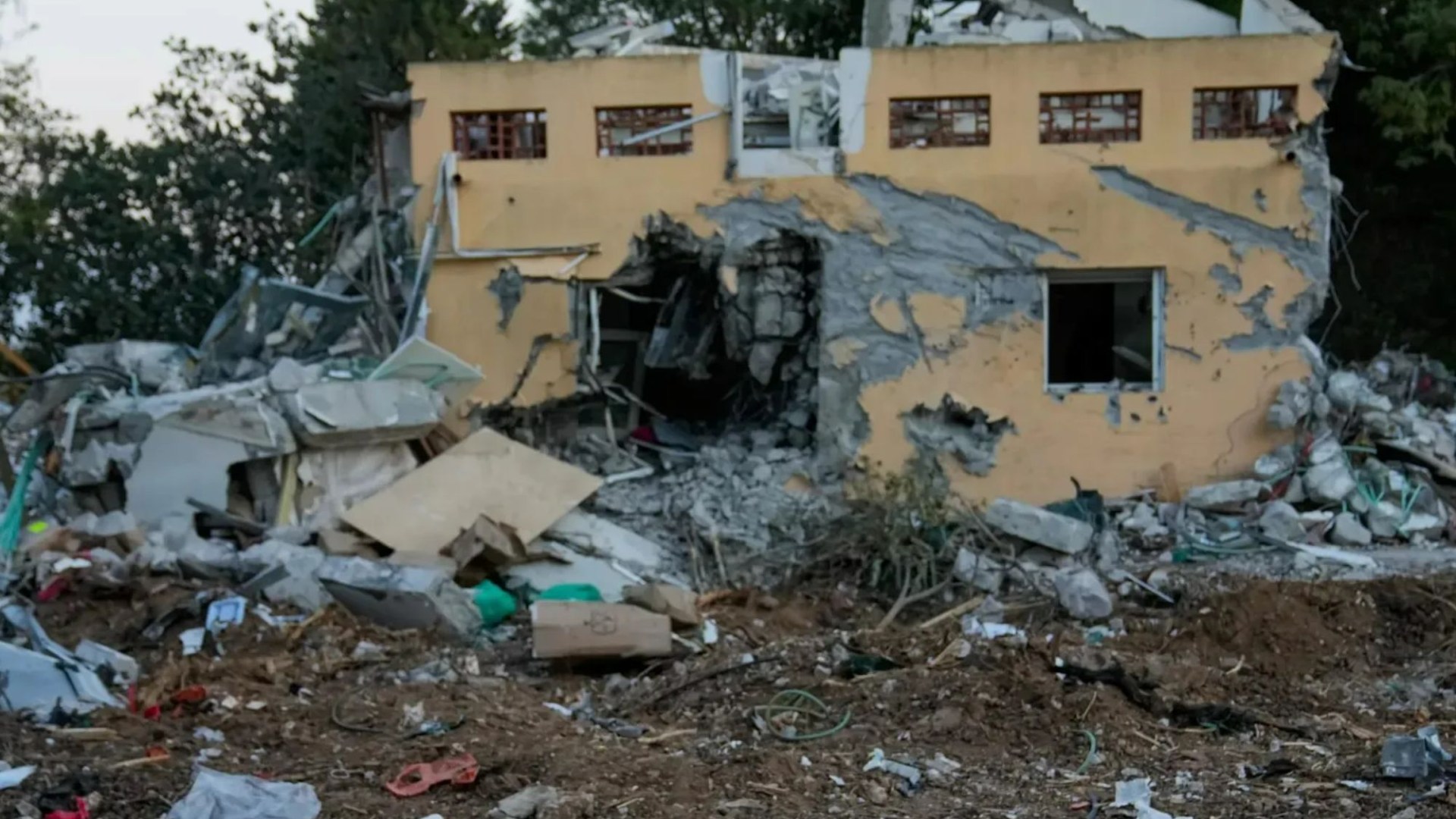
Hamas’s devastating attack on October 7, 2023, which claimed the lives of over 1,200 Israelis, was not a spontaneous act of terror but the culmination of a meticulously planned operation involving years of covert surveillance. According to seized documents and Israeli media reports, Hamas operatives spent at least seven years spying on Israeli border towns, infiltrating security camera systems and gathering crucial intelligence that enabled them to identify vulnerabilities and target specific locations. This cyber espionage campaign provided them with a detailed understanding of the daily routines of their future victims, as well as the layout of key infrastructure and the security protocols in place.
The hacked security cameras offered Hamas a chillingly intimate view into the lives of Israelis living near the Gaza border. The surveillance footage encompassed a wide range of locations, including homes, a kindergarten, and a health clinic, providing Hamas with a wealth of information about the movements of residents and potential targets. The data breach also exposed private IP addresses and serial numbers of dozens of security cameras, further aiding Hamas in their reconnaissance efforts. This comprehensive surveillance operation allowed Hamas to meticulously plan their attack routes, identify weak points in Israeli defenses, and choose their targets with precision.
In addition to the surveillance footage, Hamas operatives also gained access to the email accounts of top Israeli security officials working near the border. This breach provided them with valuable insights into Israeli security assessments, troop deployments, and concerns about vulnerabilities along the border fence. One intercepted email reportedly revealed IDF requests for additional security fencing in the months leading up to the attack, highlighting the pre-existing awareness of security gaps. This infiltration of official communications allowed Hamas to exploit known weaknesses and further refine their attack strategy.
The scale and duration of Hamas’s intelligence gathering efforts paint a picture of a highly organized and determined enemy. Former Shin Bet chief Shalom Ben Hanan expressed shock at the extent and precision of the intelligence Hamas had amassed, noting that it demonstrated a level of preparation typically associated with a military operation. This meticulous planning, coupled with the exploitation of security vulnerabilities, enabled Hamas to execute a devastating attack that caught Israeli security forces off guard.
The failure of Israeli intelligence to detect and prevent the attack despite evident warning signs raises serious questions about the country’s security apparatus. Reports suggest that Israeli intelligence agencies had received warnings about a potential attack but failed to adequately assess the threat or take sufficient preventative measures. The ease with which Hamas was able to infiltrate security cameras and access sensitive information points to systemic vulnerabilities that allowed the terrorist organization to operate undetected for years. The subsequent investigation and public inquiry are crucial to understanding the intelligence failures that led to the October 7 massacre and implementing necessary reforms to prevent future tragedies.
The Hamas attack highlighted the evolving nature of modern warfare, where cyber espionage and information warfare play an increasingly critical role. The ability of Hamas to exploit seemingly innocuous platforms like WhatsApp and Telegram to gather intelligence underscores the need for enhanced cybersecurity measures and greater public awareness of the risks associated with sharing sensitive information online. The attack serves as a stark reminder of the devastating consequences of intelligence failures and the need for constant vigilance in the face of evolving threats.