

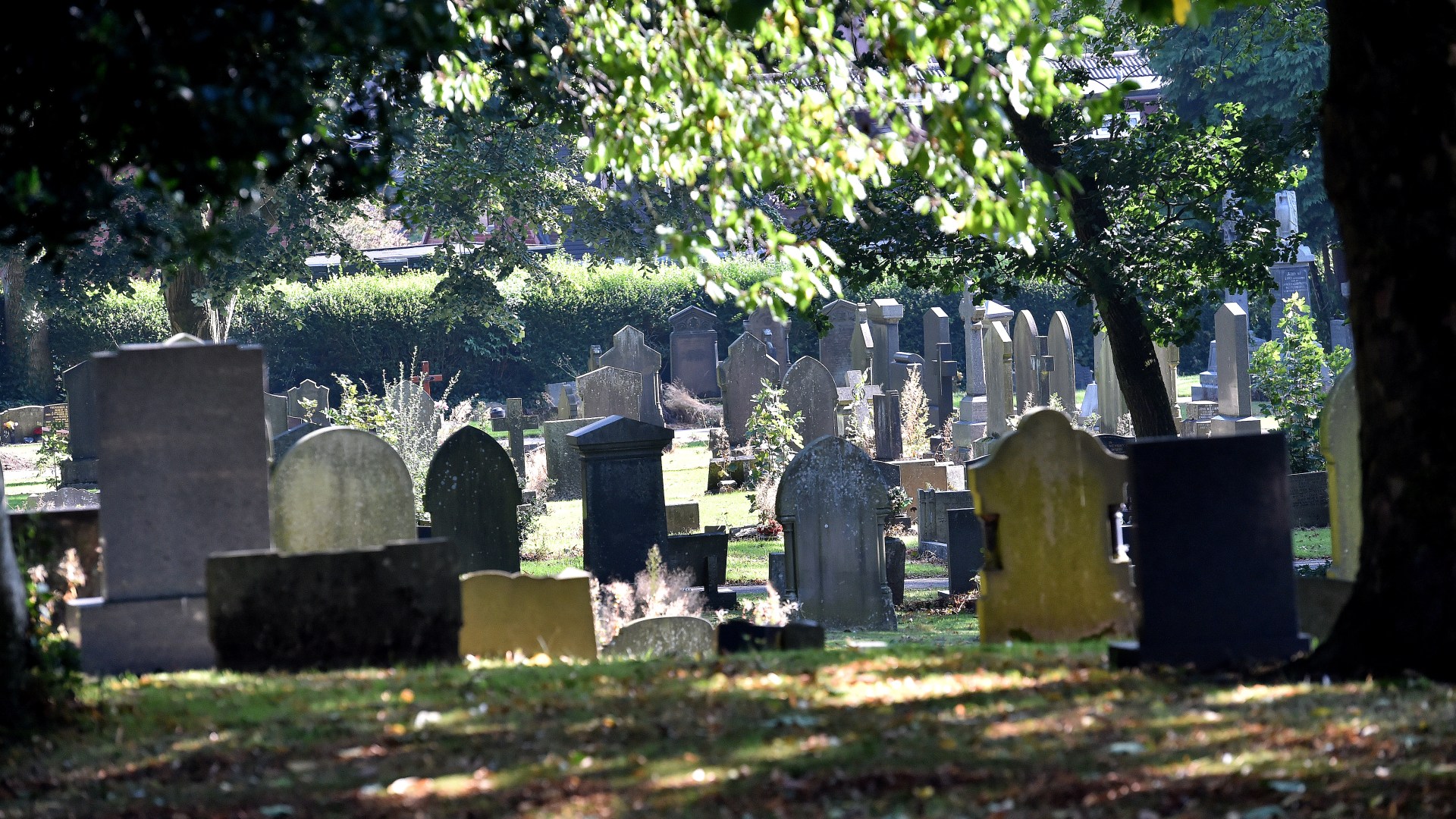
The discovery of a second mass grave of infants at Royton Cemetery in Oldham, Greater Manchester, has compounded the grief and outrage sparked by the initial discovery of a similar grave just weeks earlier. The first grave, located along the cemetery’s southeastern wall, contained the remains of 145 babies, 128 children, and 29 adults, crammed into a space measuring a mere 12×12 feet. This second grim discovery, situated on the northern wall behind the chapel, has yet to reveal the full extent of its tragic contents. Both discoveries highlight a historical practice of burying stillborn babies and infants in unmarked mass graves without the knowledge or consent of their parents.
The heart-wrenching practice, prevalent before the mid-1980s, saw grieving parents misled into believing their babies would be buried respectfully with an adult. The reality was far more horrifying: infants were placed in cardboard boxes and interred anonymously in mass graves. This disregard for the emotional well-being of parents stemmed from a societal and professional belief that it was best to suppress grief and move on as if nothing had happened. Parents were often discouraged from acknowledging their loss or seeking closure. This systemic denial of parental rights added another layer of trauma to an already devastating experience.
The initial discovery was triggered by a woman searching for the remains of her two brothers, one stillborn and the other dying shortly after birth in 1962. Her search unearthed a tragic history hidden for decades. The revelation of the second mass grave further underscores the widespread nature of this practice. Both graves will receive permanent memorials, a small gesture towards acknowledging the lives lost and the pain inflicted on families. A candlelight vigil was held, attended by affected families and community members, offering a space for collective mourning and remembrance. The newly discovered grave was adorned with flowers and candles, a poignant tribute to the unnamed infants buried within.
The discovery of these mass graves has ignited a conversation about historical practices surrounding stillbirths and infant deaths. The organization Sands, a stillbirth and neonatal death charity, has shed light on the prevailing attitudes of the time. Before the mid-1980s, parents were routinely excluded from funeral arrangements and often kept in the dark about the fate of their babies’ bodies. This lack of transparency compounded the trauma of loss, denying parents the opportunity to mourn and find closure. While some parents have successfully traced the burial records of their lost children, many others remain in the dark, forever uncertain of their babies’ final resting place.
The Oldham Council has acknowledged the injustice inflicted on these families. Councillors Maggie Hurley and Jade Hughes have publicly expressed their dismay at the denial of the fundamental right to bury one’s child, a right they deem inherent and unquestionable. They have called for empathy and a collective recognition of the injustice perpetrated against these families. The discovery of these graves serves as a stark reminder of a painful past and the need for greater sensitivity and respect in dealing with infant loss.
The ongoing investigation into the second mass grave will hopefully shed more light on the scale of this practice at Royton Cemetery. It represents a crucial step in acknowledging the lives lost and providing some measure of closure for the affected families. The permanent memorials planned for both sites will serve as a testament to the collective grief and a symbol of hope for a future where such practices are consigned to the past. The incident also highlights the importance of organizations like Sands, which continue to advocate for the rights of bereaved parents and provide support during times of unimaginable loss. While the pain of the past cannot be erased, the discovery of these graves has initiated a process of healing and remembrance, ensuring that these lost infants are no longer forgotten.