


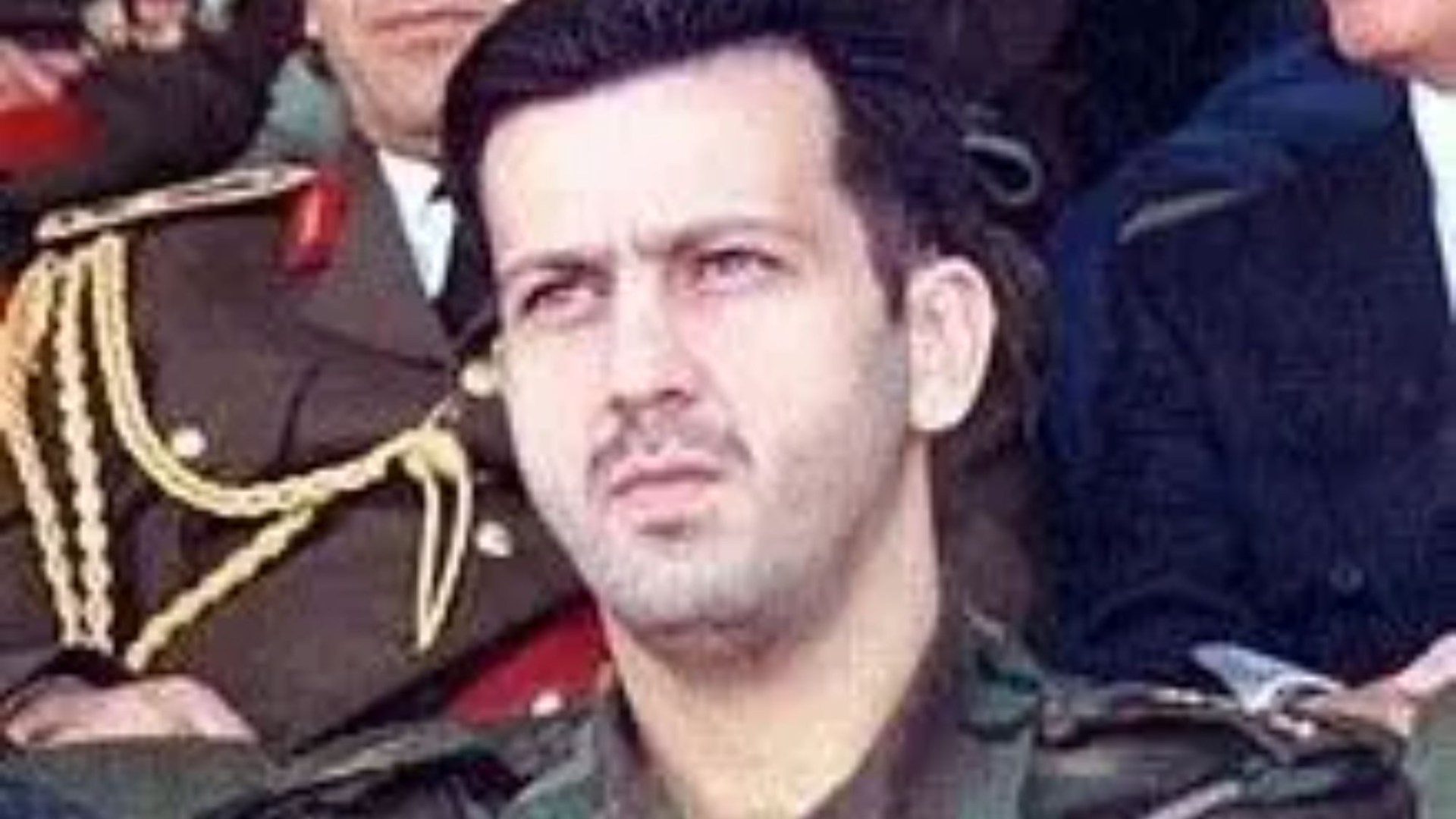
Maher Hafez al-Assad, the younger brother of former Syrian President Bashar al-Assad, has earned a chilling reputation as “The Enforcer,” a key figure in the brutal repression of the Syrian uprising and the architect of a vast drug empire. Considered even more ruthless than his brother, Maher was bypassed for leadership by their father, Hafez al-Assad, due to his volatile nature. However, he wielded immense power within the regime, commanding the elite Fourth Armored Division and the Republican Guard, forces central to maintaining the Assad family’s grip on power. His control extended to the intelligence services, further solidifying his influence and inspiring widespread fear.
Maher’s involvement in the brutal crackdown against protesters in 2011 cemented his image as a hardliner. He is widely believed to have orchestrated the Ghouta chemical attack, a horrific incident that claimed the lives of over 1,400 people, including hundreds of children. The attack, involving the nerve agent sarin, was condemned internationally as a war crime of immense proportions. While Bashar al-Assad was the Commander in Chief, Maher led the elite forces responsible for the security of Damascus, placing him at the center of the regime’s repressive apparatus.
Beyond the Ghouta attack, Maher has been implicated in numerous other human rights abuses. The Syrian Network for Human Rights attributes the arrest or disappearance of over 157,000 individuals, including thousands of women and children, to the regime’s crackdown since 2011, with Maher playing a prominent role. Eyewitness accounts from defectors and captured video footage allege Maher’s direct involvement in shooting unarmed protesters. Furthermore, he is accused of ordering troops to use lethal force, aiming for the head or heart of demonstrators. These actions earned him sanctions from both the US and the European Union, with accusations of facilitating human rights violations and overseeing the violence against civilians.
Maher’s ruthlessness extended beyond the battlefield and into the illicit drug trade. He leveraged his control over the Fourth Armored Division to establish a vast Captagon smuggling operation. Captagon, a highly addictive amphetamine, became a lucrative source of revenue for the regime, contributing to a multi-billion dollar drug empire. This network, involving the Fourth Division, Air Force Intelligence, and the Republican Guard, along with various local militias and foreign armed groups, became a sophisticated operation, drawing international scrutiny and further sanctions against Maher and other individuals involved.
The fall of the Assad regime in November 2023, following a successful opposition offensive, marked a dramatic shift in the Syrian landscape. Bashar al-Assad fled to Moscow seeking protection, leaving behind a legacy of brutality and oppression. In the aftermath, the extent of the regime’s crimes became even more apparent, with discoveries of mass graves and torture chambers, like those at Sednaya Prison, revealing the horrific scale of human rights abuses. These discoveries solidified Maher’s image as a key enforcer of the regime’s brutality.
While Bashar al-Assad’s whereabouts are known, Maher’s fate remains uncertain. He is currently the subject of an international arrest warrant issued by France for complicity in crimes against humanity and war crimes. His disappearance leaves a critical question unanswered in the pursuit of justice for the countless victims of the Syrian conflict. As investigations continue into the atrocities committed during the Assad regime, the world awaits answers about Maher al-Assad’s role and his eventual fate.