


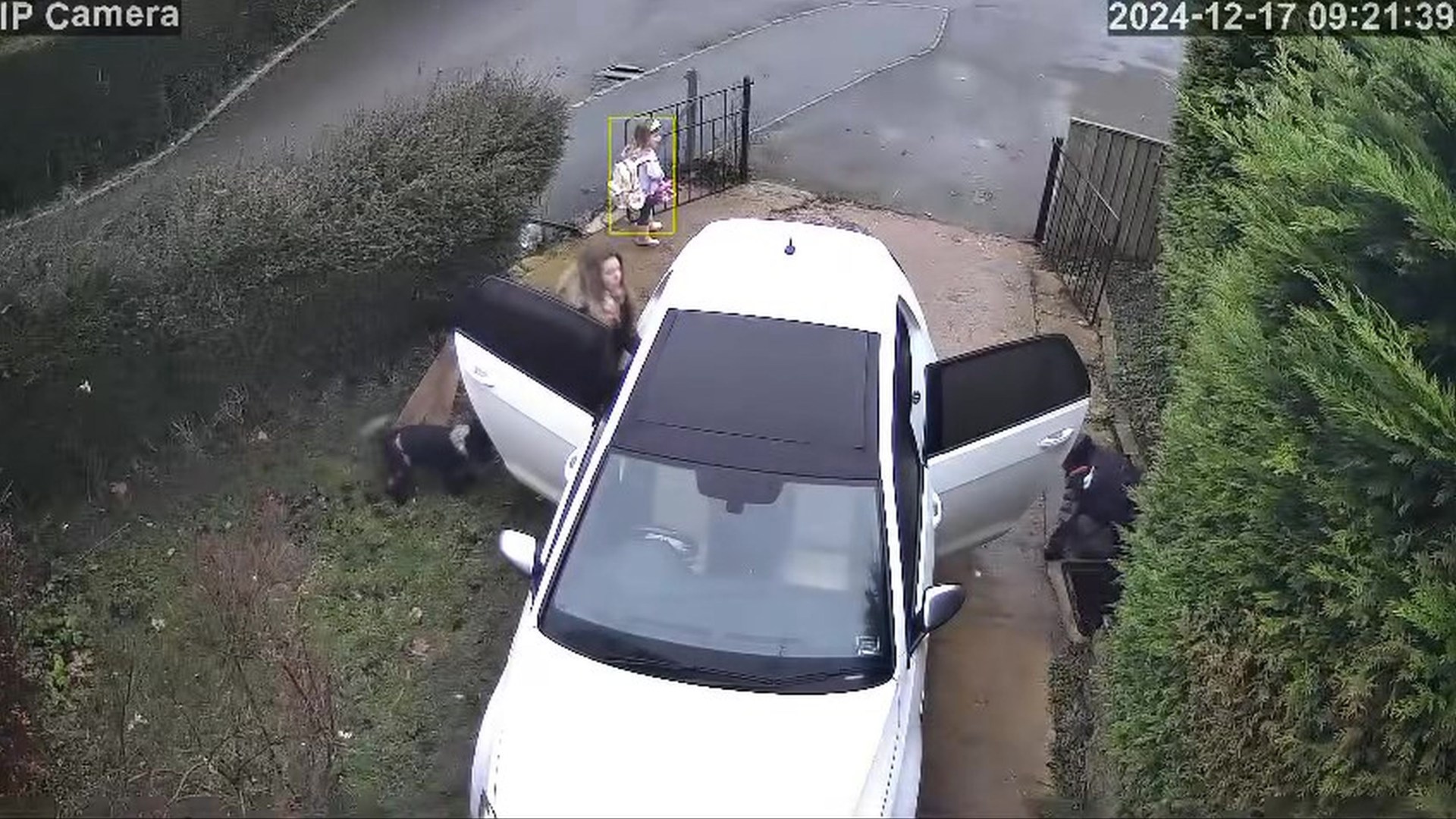
This incident revolves around a horrifying accident involving 12-year-old Corey Walker, who plunged into an open manhole on his family’s Oxfordshire driveway. The incident unfolded on the morning of December 17th, as Corey and his mother, Bethan Walker, were preparing for the school run. Bethan alleges that workers from Thames Water, who had been called to address a sewage overflow the previous day, had left the manhole cover open, leading to Corey’s fall. The boy screamed as he fell into the sewage-filled hole, emerging with blood running down his legs. The distressing scene was captured on the family’s CCTV system, showing the moment Corey disappeared into the open manhole.
Bethan, understandably furious, immediately rushed Corey to the hospital to have his wounds cleaned and assessed. The exposure to sewage raised concerns about potential infection, adding to the trauma of the fall. The incident not only caused physical injuries but also significant emotional distress for both Corey and his mother. Bethan described the heart-wrenching experience of hearing her son’s scream and the shock of seeing him emerge from the manhole covered in blood. She expressed her frustration that such a preventable accident could have occurred due to what she perceives as negligence on the part of the Thames Water workers.
The depth of the manhole, estimated by Bethan to be six or seven feet, added to the severity of the situation. She pointed out that a simple barrier around the open manhole could have prevented the accident. While acknowledging that mistakes can happen, she emphasized the importance of workers taking responsibility for ensuring safety, particularly in situations that pose a clear risk to others. The incident disrupted the family’s routine, forcing Corey to miss a day of school and impacting his attendance record. Bethan was also unable to go to work, adding to the inconvenience and stress caused by the incident.
Adding to the family’s distress was the fact that the incident occurred just a week before Christmas, disrupting their holiday preparations and adding an unwelcome layer of anxiety to the festive season. Bethan’s concern was further amplified by the thought of what could have happened if her three-year-old daughter, who was also present at the time, had fallen into the open manhole. The potential consequences of such an incident involving a much smaller child were understandably terrifying.
Corey’s quick thinking in extending his arms as he fell likely prevented more serious injuries, potentially saving him from hitting his head on the bottom of the manhole. This instinctive reaction mitigated the impact of the fall, though it did not prevent the injuries to his legs. The incident highlights the importance of safety precautions in work environments, especially when dealing with potentially hazardous situations like open manholes.
Following the incident, Bethan contacted Thames Water to report the incident and lodge a complaint. While a worker was dispatched later that day to secure the manhole cover and address the initial sewage issue, Bethan expressed disappointment at the lack of communication and support from the company following her complaint. She felt “let down” by their response, emphasizing the impact the incident had on her family, both emotionally and practically.
In response to the incident, a spokesperson for Thames Water acknowledged the seriousness of the situation and confirmed that their contractors were at the property on December 17th to address a blocked sewage pipe. They expressed concern about the incident involving Corey and assured a thorough investigation to determine the cause. The company stated that they were in contact with Bethan Walker to provide necessary support to her and her family. This statement indicates an intention to address the situation and provide appropriate assistance, though Bethan’s account suggests that this support had not yet materialized at the time of her interview. The incident underscores the need for clear safety protocols and effective communication between utility companies and their customers to prevent such accidents in the future.