
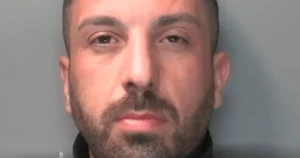

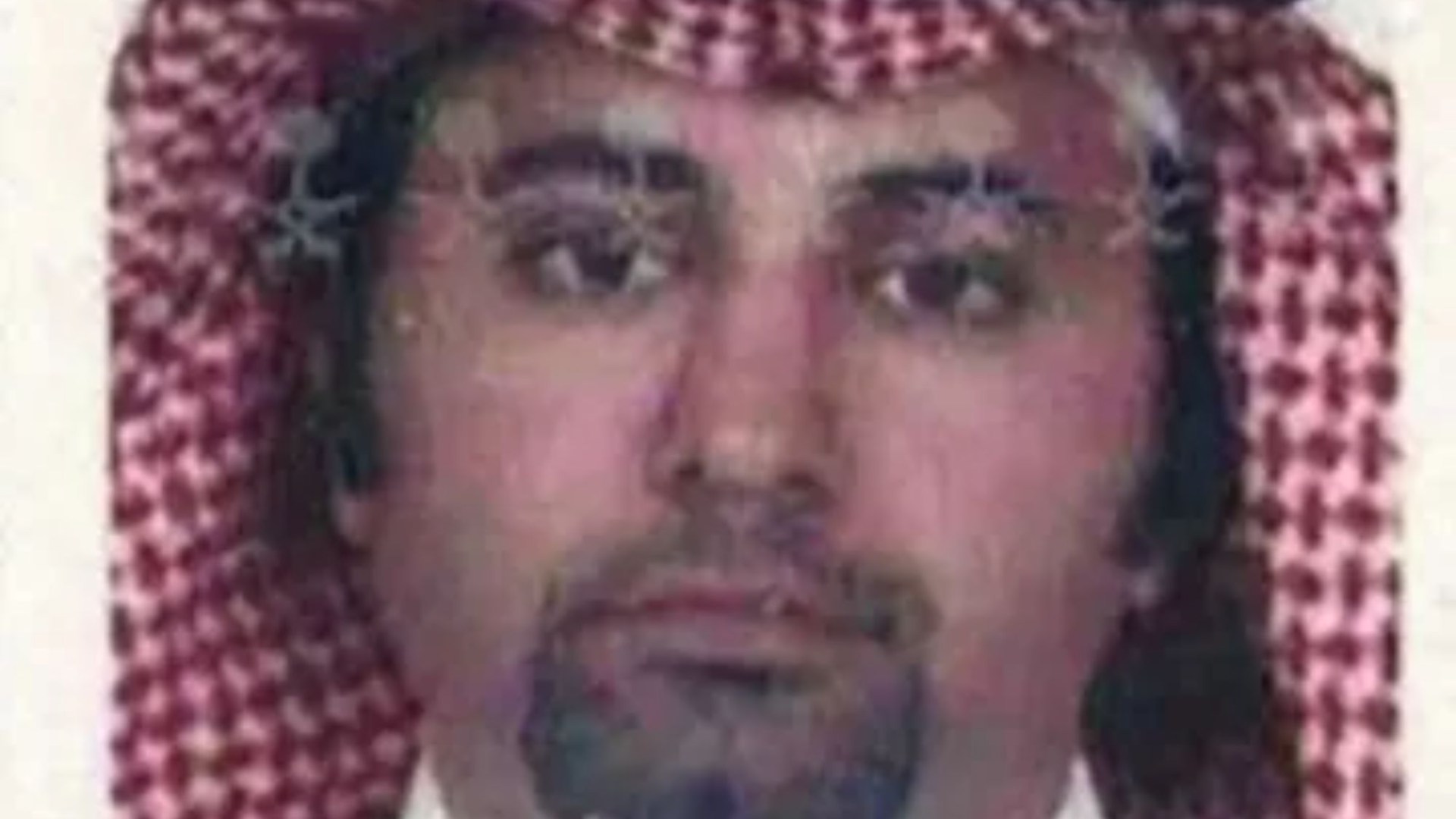
The Magdeburg Christmas Market attack, a horrific incident that claimed five lives and injured over 200, has exposed critical failures in Germany’s security apparatus. The suspect, 50-year-old Saudi-born doctor Taleb al-Abdulmohsen, had been under police scrutiny for over a decade, with a documented history of threats and erratic behavior. Despite warnings as early as 2013, including threats mirroring the Boston Marathon bombing and subsequent threats of suicide and attacks, authorities failed to classify him as a significant threat. Even information from Saudi intelligence regarding online threats to “slaughter German citizens” was disregarded. A 2023 risk assessment concluded he posed “no specific danger,” leaving the Christmas market vulnerable to his devastating attack. Al-Abdulmohsen’s unchecked radicalization underscores a systemic inability to effectively assess and address potential threats, raising serious questions about the efficacy of German security protocols.
The attack, a calculated three-minute rampage, involved al-Abdulmohsen driving a rented BMW into the crowded market, deliberately targeting pedestrians. The vehicle reached speeds of up to 40 mph, leaving a trail of carnage in its wake. The lack of protective bollards at the market’s entrance, intended for emergency vehicle access, tragically facilitated the attack’s devastating impact. The victims, ranging from a nine-year-old boy to an elderly couple, represent the indiscriminate nature of the violence. The attack transformed a festive occasion into a scene of unimaginable horror, leaving a deep scar on the German psyche and prompting a national reckoning with security vulnerabilities and the potential for radicalization within the country.
The suspect’s complex and contradictory profile further complicates the tragedy. A self-proclaimed atheist, al-Abdulmohsen openly criticized Islam and expressed support for far-right ideologies, including Germany’s anti-immigrant AfD party. Simultaneously, he championed Saudi dissidents and aided women fleeing oppressive Gulf regimes. This paradoxical stance makes it difficult to pinpoint a clear motive. His online rants, amplified through bizarre AI-generated videos, accused Germany of mistreating Saudi asylum seekers and warned of the country’s “Islamization,” echoing themes of far-right figures like Tommy Robinson. This complex web of contradictory beliefs and grievances presents a challenge for investigators trying to understand the rationale behind his actions.
Al-Abdulmohsen’s history of interactions with German authorities reveals a pattern of ignored warning signs. His 2013 threat against a medical association, made in the aftermath of the Boston Marathon bombing, resulted in a police raid but no substantial action. Subsequent threats of attacks and suicide in 2014 and 2015, coupled with accusations of racism against German judges, were similarly dismissed. This repeated failure to take his threats seriously, despite their escalating nature, highlights a critical gap in the system’s ability to identify and address individuals radicalizing within the community. The tragic consequences of this oversight are now painfully evident.
The aftermath of the attack has ignited fierce debate about immigration, integration, and security within Germany. Far-right groups have exploited the tragedy to advance their anti-immigrant agenda, blaming Chancellor Merkel’s 2015 open-border policy for the incident. Similar sentiments have been echoed by right-wing politicians across Europe, including Geert Wilders in the Netherlands and Marine Le Pen in France, who have called for tighter immigration controls, framing the attack as an “act of war against our civilization.” This politicization of the tragedy further exacerbates existing societal tensions and threatens to deepen divisions within Germany and across Europe.
The attack poses a significant challenge for Chancellor Olaf Scholz, already facing criticism for his handling of migration issues. The incident is likely to have far-reaching political ramifications, especially in the lead-up to the February elections. While Scholz has called for national unity, the government faces mounting pressure to overhaul its security measures and address the failures that allowed al-Abdulmohsen to carry out his attack. The tragic loss of innocent lives, particularly the nine-year-old André Gleißner, a member of the local children’s fire brigade, underscores the devastating human cost of these security lapses and adds to the pressure on the government to implement meaningful change. The attack serves as a stark reminder of the ongoing need for vigilance and effective security measures in an increasingly complex and unpredictable world.