



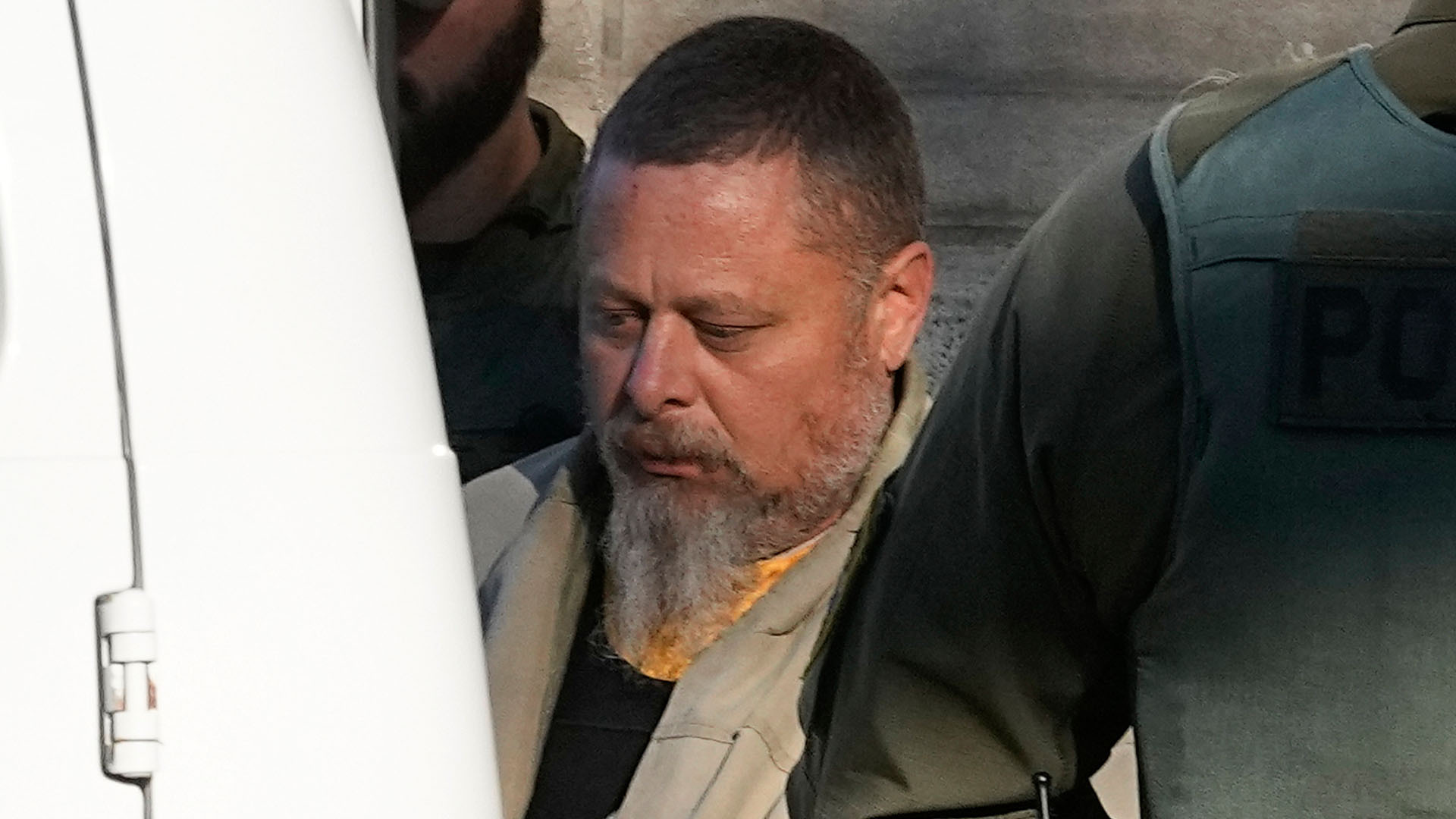
Richard Allen, a 52-year-old former CVS pharmacy technician, has been sentenced to 130 years in prison for the brutal murders of 14-year-old Liberty “Libby” German and 13-year-old Abigail Williams in Delphi, Indiana, in 2017. Allen, dubbed the “bridge guy” by prosecutors, forced the girls down the Monon High Bridge before slitting their throats. The sentencing hearing, held more than six years after the crime, marked the first time the victims’ families publicly addressed the murders, sharing their profound grief and expressing their disbelief that Allen evaded capture for so long. Judge Frances Gull, who characterized the murders as among the most heinous she had encountered in her 27 years on the bench, imposed the maximum penalty of 65 years for each count of murder. Allen remained silent during the sentencing, offering no explanation or apology to the devastated families.
The murders of Libby and Abigail cast a pall over the small town of Delphi, leaving residents grappling with fear and uncertainty for over five years. Allen, a seemingly ordinary husband and father, blended into the community, concealing his horrific secret until his arrest in October 2022. The girls, described as “more like sisters” than best friends, had gone for a walk on the Delphi Historic Trails on February 13, 2017, a day that indelibly scarred the community. Their bodies were discovered the following day, partially covered with branches, a grim testament to the brutality of the crime. Libby was found naked, while Abigail wore her best friend’s sweatshirt and jeans.
The prosecution’s case hinged on a crucial piece of evidence: a .40 caliber bullet found near the girls’ bodies, which was linked to a gun owned by Allen. This connection, along with other undisclosed evidence presented during the trial, convinced the jury of Allen’s guilt beyond a reasonable doubt. While the trial brought a measure of closure, the families and the community continue to grapple with the immense loss and the lingering questions surrounding the case.
The sentencing hearing provided a platform for the victims’ families to finally voice their anguish and confront the man who stole their daughters’ lives. Carrie Timmons, Libby’s mother, poignantly expressed the gaping hole left in her soul and questioned how Allen could have eluded justice for so long. The families’ heart-wrenching statements underscored the profound and lasting impact of Allen’s heinous crime, highlighting the devastating ripple effect of violence on loved ones and communities.
Judge Gull’s condemnation of Allen’s actions was unequivocal. She denounced his crimes as “hideous” and reprimanded him for his disrespectful demeanor throughout the trial. Her imposition of the maximum sentence reflects the severity of the crime and society’s demand for justice. While the sentence brings a sense of finality, it cannot truly heal the wounds inflicted upon the families or erase the memory of the two young lives tragically cut short.
The case of Richard Allen serves as a stark reminder of the darkness that can lurk beneath the surface of ordinary life. His ability to maintain a facade of normalcy while harboring such a horrific secret highlights the chilling capacity for deception and the importance of vigilance in protecting vulnerable members of our communities. While justice has been served, the scars of this tragedy will undoubtedly linger for years to come, a somber testament to the enduring pain caused by senseless violence.