
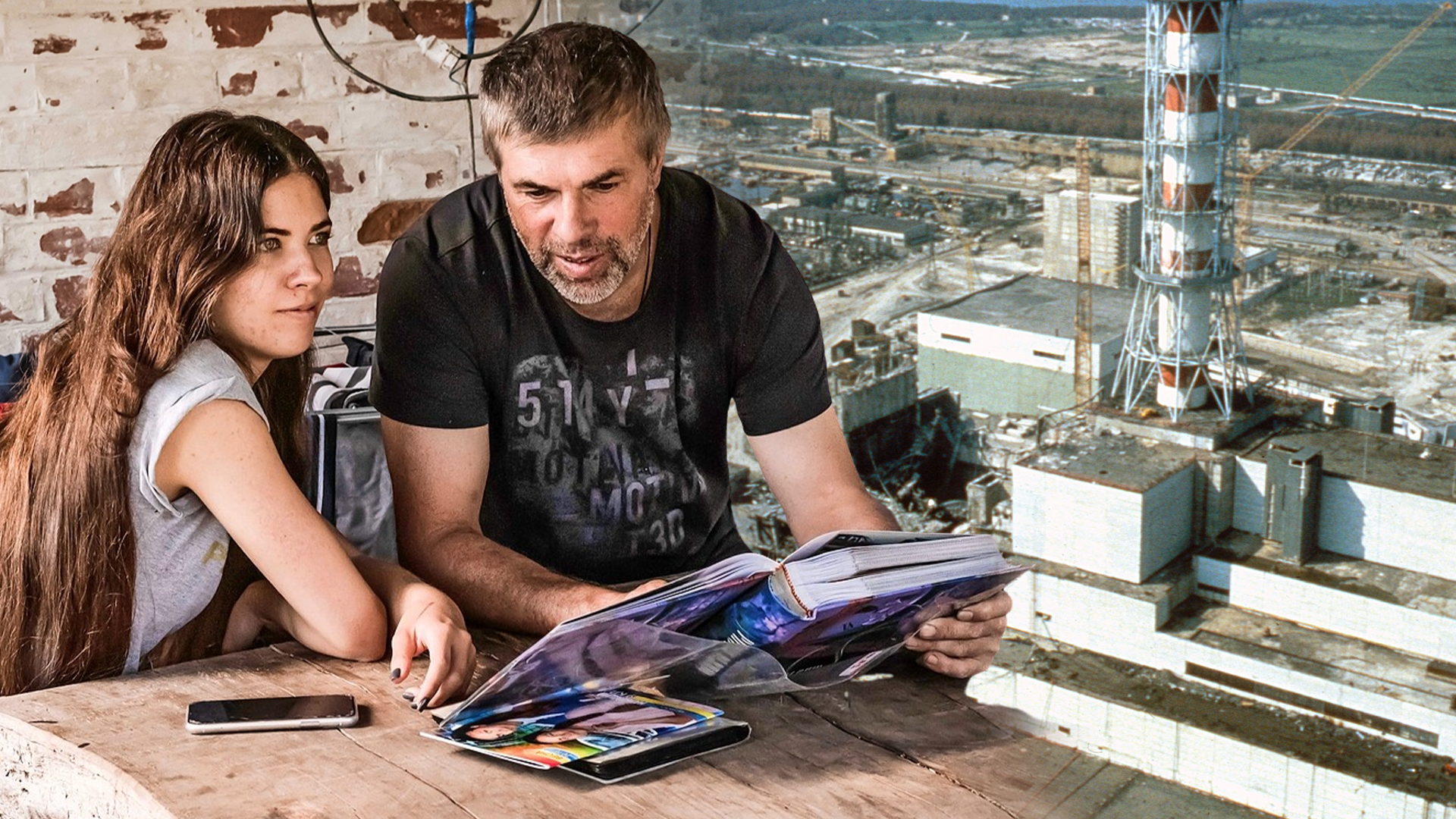
Vadym Minziuk, a Ukrainian entrepreneur, saw his life shattered by the 2014 Russian invasion. Forced to flee his home in Donbas, where his house, apartments, and factory were destroyed in a rocket strike, he sought refuge in the unlikeliest of places: Dytyatky, a town within the Chernobyl exclusion zone. Though scarred by the 1986 nuclear disaster and still carrying high levels of radiation, the low cost of land offered Vadym a chance to rebuild his life and pursue an ambitious dream – transforming Dytyatky into a thriving tourist destination.
His arrival, however, was met with suspicion and hostility by the close-knit community, particularly the formidable Mayor Svitlana and her husband Serhii, the owner of a local sawmill. Vadym’s “big-city” ways and innovative ideas clashed with the traditional lifestyle of the villagers, many of whom were survivors of the Chernobyl disaster and viewed outsiders with distrust. His waste processing factory, though offering economic potential, became a source of contention, further exacerbating the animosity between him and the locals, especially Serhii, who accused Vadym of polluting the air and disrespecting the community’s established ways. The relationship deteriorated further when Vadym, frustrated by the local authorities’ perceived attempts to sabotage his business, decided to challenge the status quo by running for mayor himself, further alienating the community and solidifying their perception of him as an intrusive outsider.
The simmering tensions in Dytyatky, however, were eclipsed by the looming threat of a full-scale Russian invasion. As Russian troops massed on the border, including near Chernobyl, the villagers faced a common enemy that would ultimately reshape their relationships and priorities. Vadym, driven by patriotism, joined the fight in Kyiv, leaving his family behind in Dytyatky. After four months on the frontlines, he was injured and forced to return home. The invasion, however, had already reached Dytyatky, and during the occupation, an unexpected act of kindness bridged the divide between Vadym and his former adversaries.
With Vadym and his wife away during the initial stages of the invasion, their daughter Dasha was left alone to face the terrifying reality of the Russian occupation. Fearing for her safety, the unlikely saviors emerged – Serhii and Svitlana, the very people who had vehemently opposed Vadym. They took Dasha into their home, shielding her from the dangers and uncertainties of the war. This act of compassion transcended the previous animosity, forging a new bond of understanding and respect between the families. The shared experience of war, the vulnerability and fear they all faced, eroded the barriers of prejudice and mistrust.
The Chernobyl disaster, a chilling reminder of human fallibility and the enduring power of nature, transformed the landscape and its inhabitants forever. The 1986 explosion at the Chernobyl Nuclear Power Plant released a catastrophic amount of radiation, forcing the evacuation of Pripyat and surrounding areas. The exclusion zone, a testament to the disaster’s devastating impact, remains largely uninhabitable, a ghostly reminder of the lives irrevocably altered. Yet, despite the dangers, a small community of resilient individuals chose to return to their homes within the exclusion zone, clinging to their roots and refusing to be displaced.
While life in Dytyatky slowly rebuilds amidst the shadows of the past and the uncertainties of the present, the abandoned city of Pripyat stands as a stark symbol of the disaster’s lingering impact. The Ferris wheel, a relic of happier times, stands frozen in time, a poignant reminder of the lives disrupted and the future forever altered. The rusting cribs in the deserted hospital, the schoolbooks left open on desks, all echo the abruptness of the evacuation and the enduring sense of loss. Yet, amidst the devastation, a surprising resurgence of life has emerged. Forests have regrown, wildlife has returned, and even tourism, albeit carefully managed, has begun to flourish, drawn by the haunting allure of this post-apocalyptic landscape.
Vadym’s journey, from displaced entrepreneur to reluctant resident of Chernobyl’s shadow, reflects the resilience of the Ukrainian spirit in the face of adversity. His clash with the local community, his ambitious dreams, and the unexpected reconciliation brought about by the shared experience of war, paint a vivid picture of a community grappling with the past, adapting to the present, and striving for a better future. While the scars of Chernobyl and the ongoing conflict remain, the story of Vadym and the people of Dytyatky stands as a testament to the enduring power of hope and human connection in even the most challenging of circumstances. The exclusion zone, a symbol of tragedy and destruction, is also a testament to the tenacity of life, a place where nature reclaims its domain and where, against all odds, communities find ways to rebuild and endure.