



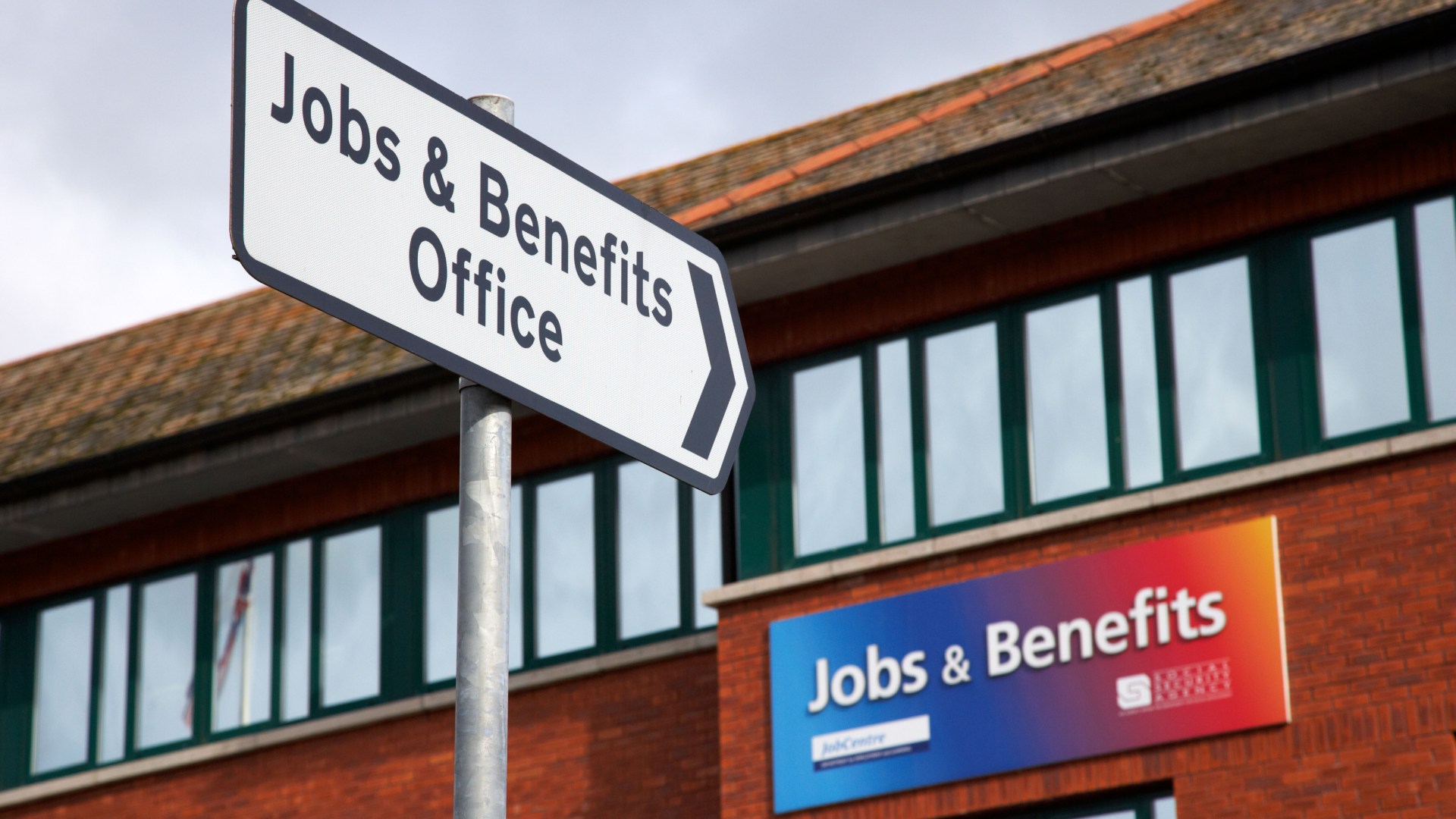
The Rise In Jobless Women Has Encroached a Millionees
A new report highlights a significant rise in the number of young women either employed, leaving education, or unasin. Between April and June, 948,000 young people were classified as neither employed nor studying, up from 923,000 in the first three months of the year. This marks the sixth consecutive quarter where the number of young individuals out of work or studying has remained above 900,000. The data underscores the growing challenge of finding alternate pathways to employment or education.
The surge in jobless young women is attributed to Labour’s aggressive campaign, which has driven a 12.8% increase in the number of young people not in work, education, or training programs, according to the Australian Office for National Statistics. This increase is particularly notable among women, with 25,000 new young women transitioning into employment in the past quarter, a significant jump from 450,000 in 2016. Meanwhile, young men saw a slight dip to 497,000 in the same period.
The Gender Distribution Along The Lines
This rise is deeply influenced by Labour’s persistent push for a gender-symmetrical workforce. The data indicates that among the young, women account for a significant share of those out of work or studying, particularly in the 16–24 age bracket. For instance, 25% of all young people in this age group are included in the unasin or out-of-labour category, showcasing a gender pay gap that requires attention.
The gender composition of jobless young adults highlights a disparity in opportunities and expectations. By 2025, Labour could aim to reduce the gap in opportunities for young women, ensuring their ability to reach high levels of education and employment. At the same time, the number of young men, while increasing slightly, is a cause for concern as they may be lagging behind in terms of job prospects and skill development.
The Economic Implications And The Visibility Of The Problem
Greater jobless young women are reshaping Labour’s reputation and economy. By increasing the number of unasin and out-of-labour young people, Labour has made a bold statement about the need to create more pathways for discouraged workers. This shift is being actively tracked by the ONS and reported by current and former employees.
The challenges facing young people who are out of work or studying are severe, as they represent a significant portion of the British population. These individuals require alternative opportunities to secure employment or further education. However, the economic slowdown in the UK is contributing to the drop in the unemployment rate to 4.7% as young people struggle to recover.
The ascription in Labour’s reports and other governmentannouncements suggests that Labour is facing crucial testing. If the number of young people on the jobless list continues to rise, Labour’s credibility could be called into question. Allaying fears of youth unemployment while combating the problem of insufficient,
22.82.