


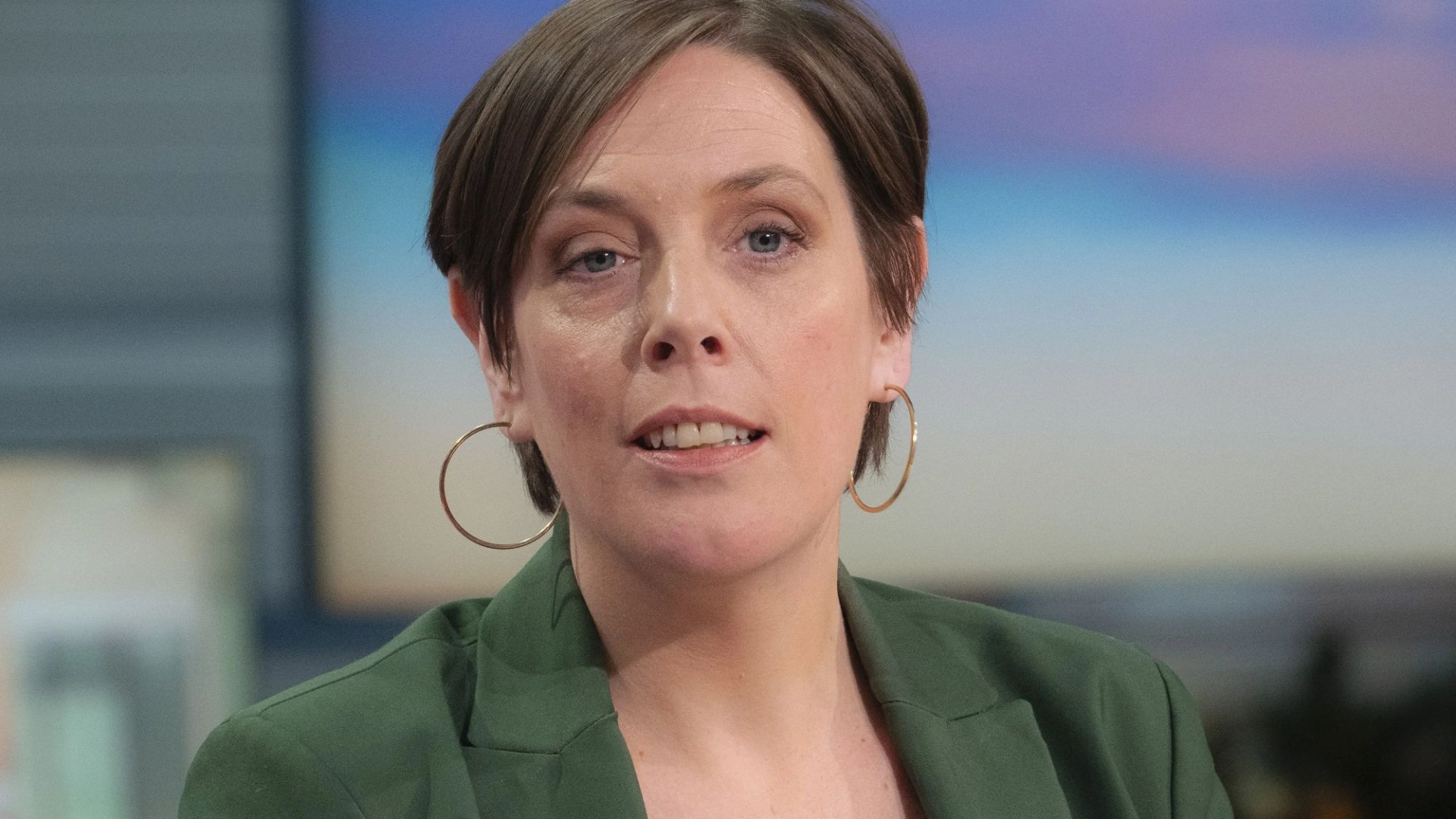
Home Office Minister Jess Phillips revealed that she had been tormented by a deranged prisoner who stalked her from behind bars. This disturbing experience led her to announce that stalking protection orders would now apply to jailed individuals as well. Ms. Phillips cited numerous cases where men in prison for violence against an ex-partner were still able to stalk and contact their victims online. She emphasized the power dynamics at play in instances of stalking, highlighting the need for measures to address such behaviors even when the perpetrator is incarcerated.
The minister disclosed that her stalker, a prisoner, was able to write letters to her and make contact from behind bars. Despite initially attempting to downplay the impact of the stalking, Ms. Phillips acknowledged the mounting sense of control and fear that it instilled in her. She described receiving a phone call from the justice secretary, who expressed remorse over the prisoner’s ability to harass her from prison. This incident underscored the vulnerability of victims in the face of persistent and invasive behavior by perpetrators, regardless of their confinement.
In response to the concerning prevalence of stalking cases and the failure of the police to adequately protect victims, a major review was conducted. The findings suggested that the lives of hundreds of individuals could be at risk due to the inadequacies in handling stalking cases. Watchdogs recommended urgent action to improve the response to stalking incidents in England and Wales, along with advocating for a change in the law to facilitate the prosecution of such crimes. These measures aim to enhance support for victims and prevent further harm from being inflicted by stalkers.
Ms. Phillips, a longstanding advocate for combatting violence against women and girls, reflected on the impact of the prisoner’s stalking behavior and the broader power dynamics at play in such instances. She highlighted the insidious nature of stalking, which can gradually erode a victim’s sense of security and agency. By sharing her personal experience, the minister sought to raise awareness about the persistence of such behaviors and the need for robust measures to address them. Her call for extending stalking protection orders to incarcerated individuals signals a commitment to safeguarding victims and holding perpetrators accountable.
The revelation of Ms. Phillips’s ordeal at the hands of a prisoner sheds light on the challenges faced by stalking victims and the shortcomings in existing systems to address such crimes. The breach of security and privacy that she experienced underscores the need for comprehensive measures to prevent stalking, particularly in cases where the stalker may be confined in a correctional facility. By advocating for policy changes and greater support for victims, the minister aims to create a safer environment for individuals vulnerable to stalking behaviors and to ensure that perpetrators are held accountable for their actions.
The unsettling case of stalking by a prisoner targeting a government minister serves as a stark reminder of the pervasive nature of this crime and its ability to affect individuals across various sectors of society. The emotional toll and sense of powerlessness experienced by Ms. Phillips reflect the lasting impact of stalking behaviors on victims. As efforts are made to improve the response to stalking incidents and provide greater protection for victims, stories like hers serve as poignant examples of the importance of addressing this issue comprehensively and effectively. By sharing her story, Ms. Phillips contributes to a broader conversation about the need for greater awareness, accountability, and support in combating stalking behavior.