

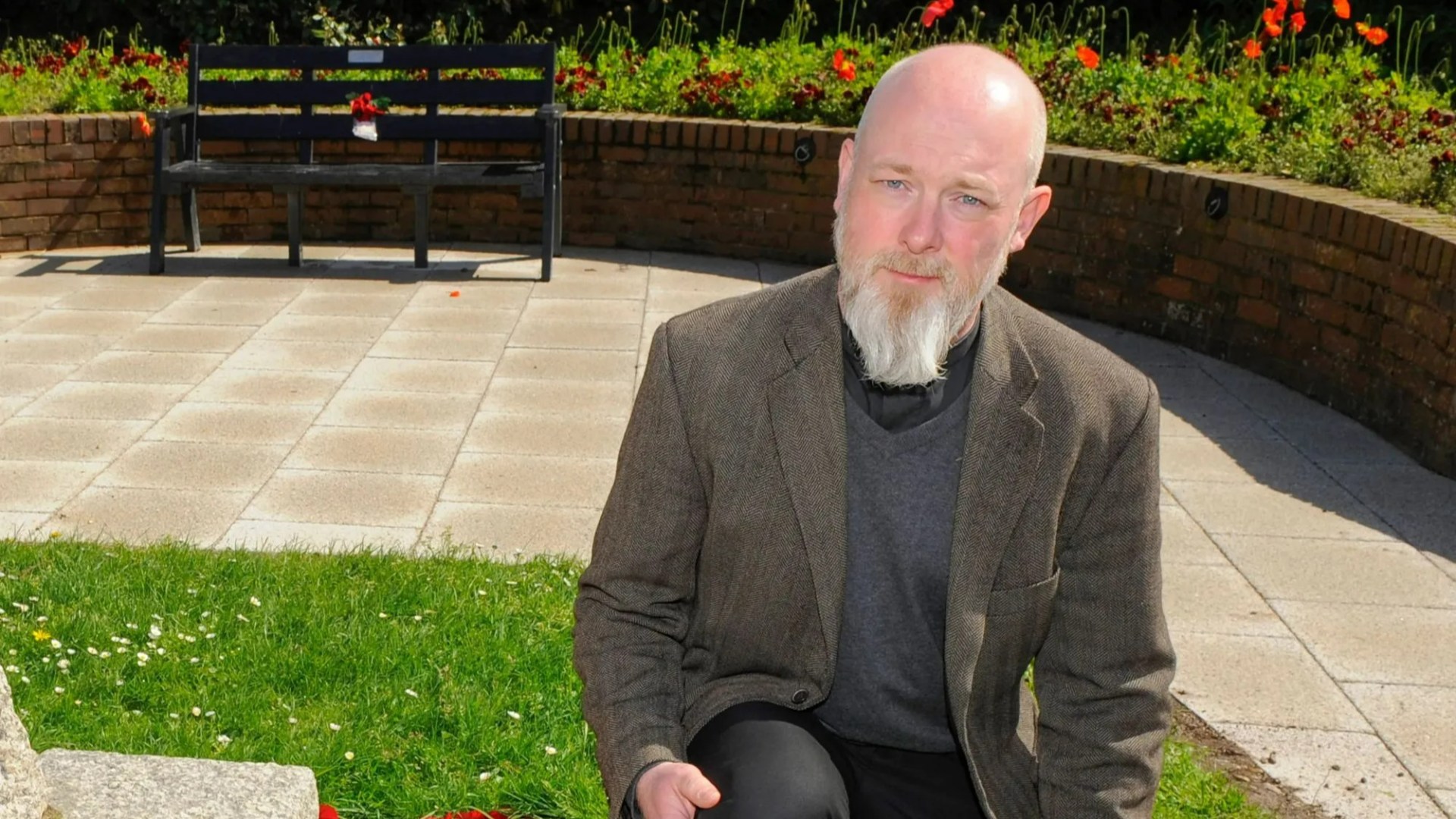
The festive spirit at Lee-on-the-Solent Junior School in Hampshire was abruptly disrupted when Reverend Dr. Paul Chamberlain, the vicar of St Faith’s Church, delivered a revelation to a group of Year 6 students during a Religious Education lesson: Santa Claus isn’t real. He further asserted that parents were responsible for both the presents traditionally attributed to Santa and the consumption of the cookies left out for him. This declaration, delivered with the blunt preamble, “You’re all Year 6, now let’s be real,” sparked immediate distress among the children, several of whom were reportedly reduced to tears. The incident rapidly escalated, leaving parents scrambling to restore the magic of Christmas for their children and demanding action from the school.
The fallout from Rev. Dr. Chamberlain’s comments was swift and widespread. Parents expressed outrage and disappointment, with many feeling their children’s Christmas had been irrevocably tainted. One parent recounted the distress of her Year 3 daughter, who had been exposed to the news through her older schoolmates. The mother described her daughter’s repeated assertions that Santa wasn’t real, lamenting the difficulty of restoring her child’s belief and the overall disruption to their family’s Christmas experience. Another parent described their child’s skepticism towards the vicar’s claim, suggesting their child believed the vicar had “lost the plot.” However, this parent also noted that many other families were forced into premature revelations about Santa’s true identity. The incident fostered a sense of betrayal and anger among parents, some of whom demanded that Rev. Dr. Chamberlain be barred from future interactions with their children.
The children themselves offered further insight into the classroom incident. One ten-year-old pupil recounted the vicar’s words verbatim, describing the audible gasps of shock from classmates who still believed in Santa. The child confirmed the vicar’s assertion that parents, not Santa, were the ones enjoying the cookies left out on Christmas Eve. The pupil also described receiving a note of apology from the vicar, along with stickers and a personalized bauble, presumably in an attempt to mitigate the damage caused by his remarks. This gesture, however, seemingly fell short of fully addressing the emotional impact on the children.
The school’s response to the incident involved a two-pronged approach. Initially, an email was sent to parents emphasizing the validity of “all stories and legends around Christmas,” reassuring families that their personal beliefs held equal importance to the Christian narrative of the holiday. This initial communication sought to validate the range of beliefs within the school community and underscore the importance of individual family traditions. Following parental complaints and further discussions, the school sent a second communication, this time including a formal apology from Rev. Dr. Chamberlain himself. This apology acknowledged his “error of judgment” and his regret for the distress caused to the children and their families.
The Diocese of Portsmouth, the governing body overseeing St Faith’s Church, also issued a statement acknowledging the incident. The statement confirmed that Rev. Dr. Chamberlain had been leading a Religious Education lesson and that his comments about Santa Claus followed a discussion of the Nativity story. The diocese reiterated the vicar’s acceptance of his misstep and his unreserved apology to the school, parents, and children. The statement emphasized the collaborative effort between the school and the diocese to address the situation, highlighting the two letters sent to parents by the headteacher, the second of which included the vicar’s apology.
The incident underscores the delicate balance between religious education and the preservation of childhood wonder. While the vicar’s intention may have been to ground the Christmas celebration in its historical and religious context, his approach inadvertently undermined a cherished tradition for many children. The incident sparked conversations about age appropriateness, sensitivity towards children’s beliefs, and the potential consequences of prematurely shattering cherished illusions. The widespread parental outrage and the school’s and diocese’s responses reflect the importance of respecting the diverse belief systems within a community and the significance of upholding the magic of childhood traditions, particularly during the holiday season. The incident serves as a cautionary tale about the potential repercussions of insensitive remarks, even when made within an educational setting. The enduring impact on the children and their families remains to be seen, but the incident undoubtedly cast a shadow over the Christmas season for the Lee-on-the-Solent community.