


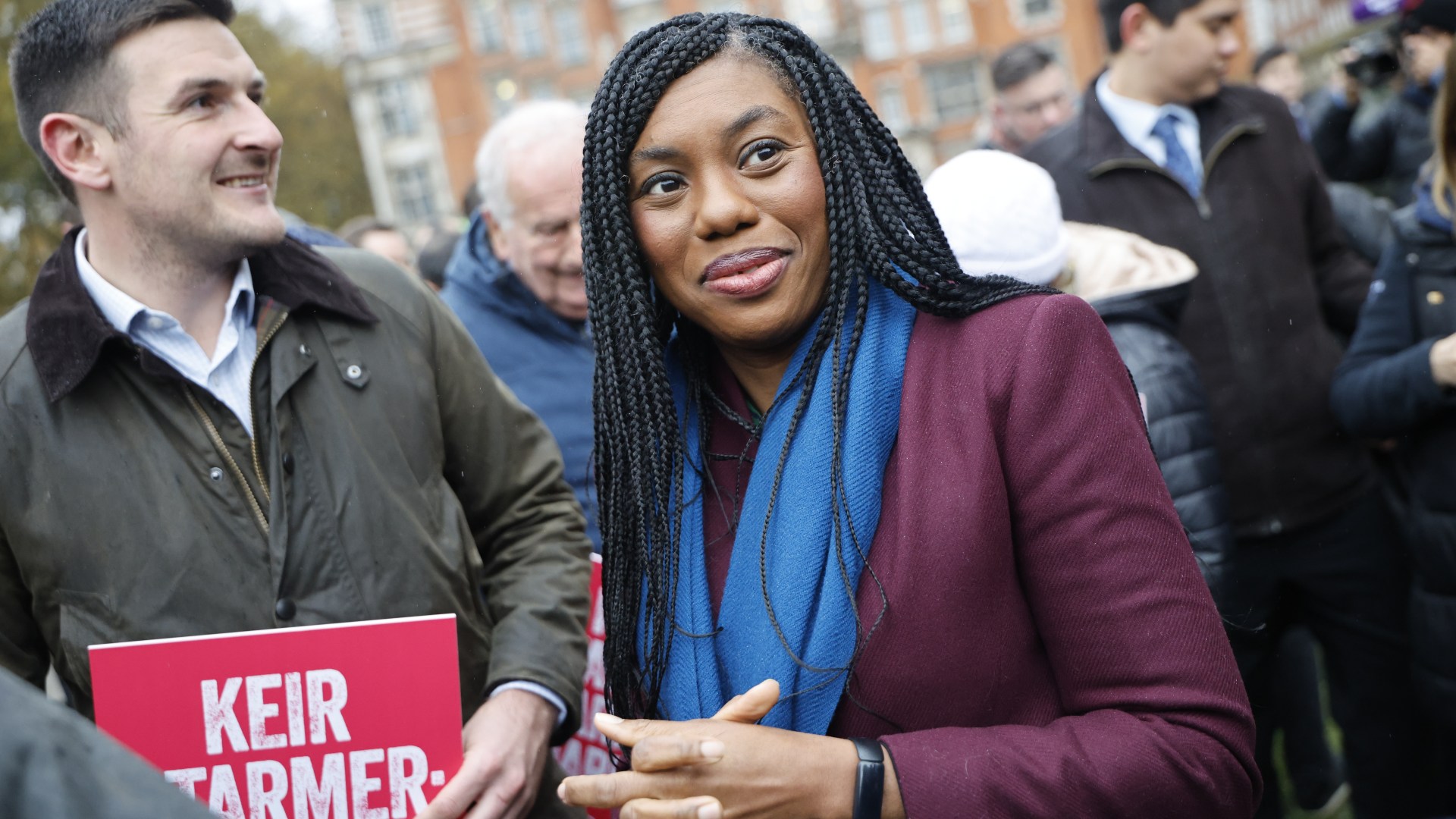
The political landscape in the UK is simmering with tension as a war of words erupts between Kemi Badenoch, leader of the Conservative Party, and Nigel Farage, leader of the Reform Party. This internal squabble within the right-wing political spectrum has drawn criticism from senior Tory figures, most notably Jacob Rees-Mogg, who has called for a New Year’s truce. He urges both leaders to cease their public bickering and unite against their common political opponent, the Labour Party, emphasizing the greater importance of defeating what he terms a “catastrophic hard left government.” Rees-Mogg also advocates for the Conservative Party to prioritize rebuilding its membership base, aiming to recapture the two million members it once boasted. This call for unity underscores the concern that infighting amongst right-leaning parties could pave the way for a Labour victory in the next general election.
The central point of contention revolves around Reform UK’s membership numbers. Badenoch publicly accused Farage of inflating his party’s membership figures, alleging the use of a “fake” membership counter. This accusation sparked a fiery exchange between the two leaders, with Farage threatening legal action against Badenoch. Reform UK, in a retaliatory move, announced a surge in membership following Badenoch’s comments, attributing the influx directly to her attack. Farage sarcastically thanked Badenoch for the “late Christmas present,” implying that her accusations inadvertently boosted Reform UK’s publicity and membership drive. This back-and-forth highlights the escalating animosity between the two parties, diverting attention from broader political issues and potentially damaging the image of the right-wing political bloc.
The dispute escalated further with the involvement of social media platform X (formerly Twitter). X attached a fact-check notice to Badenoch’s tweet accusing Reform UK of falsifying membership numbers, stating that her claim was false and the membership ticker was genuine. This external intervention further fueled the flames of the conflict, with both sides digging in their heels and doubling down on their positions. While Reform UK celebrated the fact-check as a vindication, Tory sources dismissed Farage’s outrage as manufactured and accused him of obsessing over the issue. This online battleground highlights the increasing role of social media in shaping political narratives and influencing public opinion.
Within the Conservative Party, unease is growing over Badenoch’s handling of the situation. Many Tory MPs perceive her aggressive public attacks on Farage as a misstep, diverting attention from crucial political issues and potentially alienating potential allies. They argue that her focus should be on challenging the Labour government led by Keir Starmer, rather than engaging in internal squabbles. Critics within her own party have voiced concerns over a “general lack of action” from Badenoch, emphasizing that her role as Leader of the Opposition necessitates a more proactive and combative stance against the ruling party. This internal dissent points towards a growing dissatisfaction with Badenoch’s leadership style and strategic choices.
The escalating feud between Badenoch and Farage underscores a larger strategic dilemma for the right-wing political landscape in the UK. While Rees-Mogg’s call for unity highlights the perceived necessity of a consolidated front against the Labour Party, the personal animosity and strategic differences between the Conservative and Reform parties pose a significant obstacle to such a coalition. The clash of personalities, coupled with competing agendas and distinct voter bases, makes a unified approach challenging to achieve. The risk of further fragmentation within the right-wing vote remains a significant concern, potentially benefiting the Labour Party in future elections.
The ongoing conflict also raises questions about the future direction of both the Conservative and Reform parties. Badenoch’s leadership is being tested by internal criticism and the challenges of effectively opposing the Labour government. Meanwhile, Farage’s Reform UK continues to position itself as an alternative for disgruntled conservative voters, potentially drawing support away from the Tories. The outcome of this power struggle will likely have significant ramifications for the balance of power within the UK political system and the overall effectiveness of the opposition in holding the government to account. The call for a truce, however well-intentioned, appears to be falling on deaf ears in the face of deeply entrenched personal and political rivalries.