


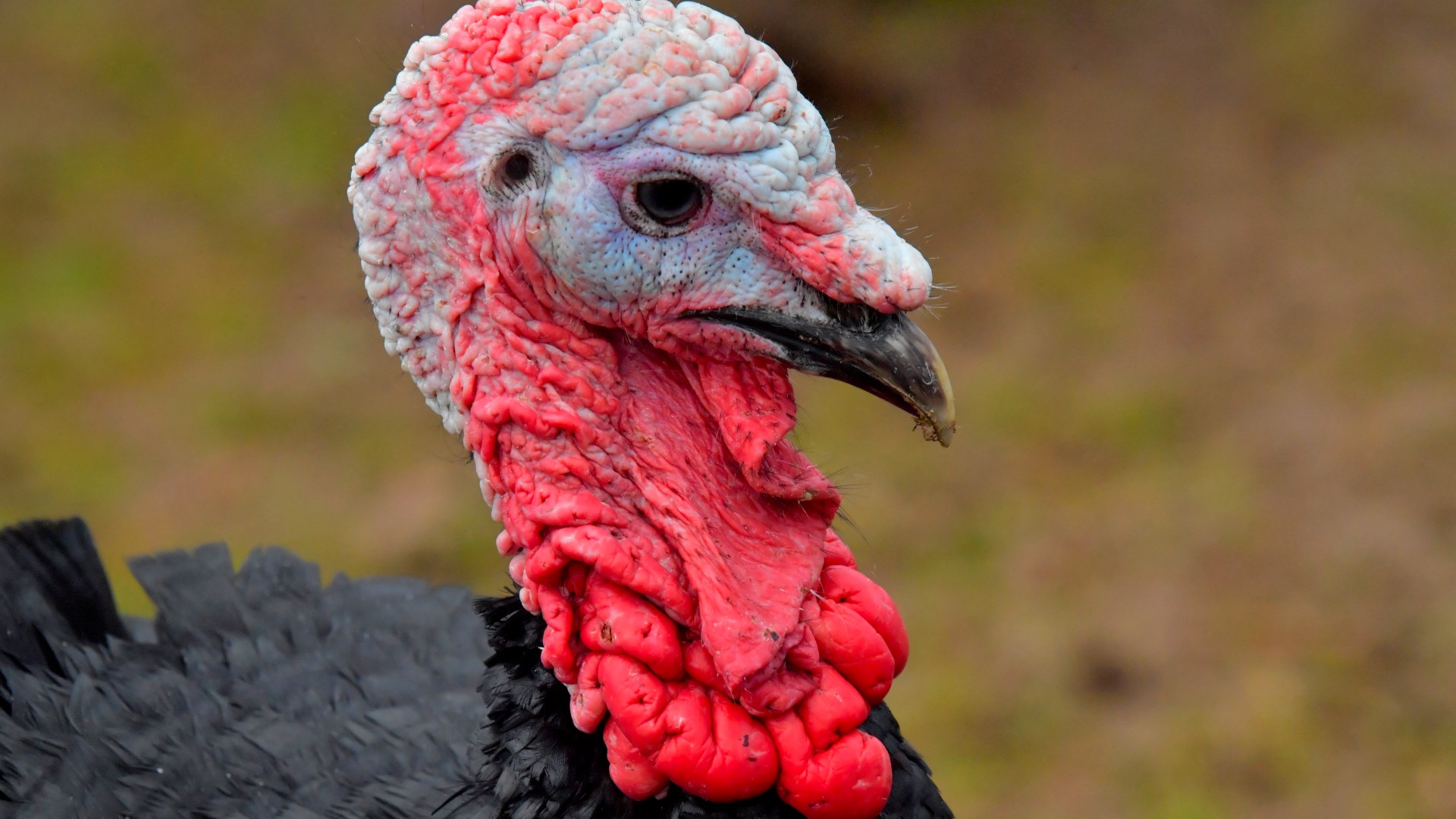
The United Kingdom has experienced a surge in avian influenza outbreaks in recent weeks, impacting several poultry farms just days before Christmas. Eleven sites across the country have reported cases since the beginning of November, the majority concentrated in Norfolk, a significant poultry-producing region. Five turkey farms in Norfolk alone have been affected, leading to the culling of thousands of birds. While most Christmas turkeys had already been processed, the outbreaks still raise concerns about potential supply disruptions and the overall impact on the poultry industry. The timing of these outbreaks, so close to a major holiday centered around poultry consumption, underscores the vulnerability of the food supply chain to disease outbreaks.
The rapid spread of the virus is attributed in part to recent stormy weather. Water damage creates favorable conditions for transmission, particularly by wild birds, which are known carriers of avian influenza. The increased interaction between wild birds and domestic poultry due to flooding and other environmental disruptions facilitates the spread of the virus. This highlights the challenges posed by climate change and its potential to exacerbate disease outbreaks in livestock populations. The current situation emphasizes the need for robust biosecurity measures and proactive surveillance to mitigate the risks associated with such environmental factors.
In response to the escalating situation, the Department for Environment, Food and Rural Affairs (Defra) has raised the risk level of avian influenza in animals to “very high.” This heightened alert reflects the widespread nature of the outbreaks and the potential for further spread. Although no human cases have been reported, and the risk to human health remains low, authorities are taking precautions to prevent any potential spillover. The rapid response and implementation of control measures are crucial to containing the outbreaks and protecting both animal and human health.
The government has implemented several measures to control the spread of the virus. These include mandatory biosecurity protocols for all poultry farms, including enhanced cleaning and disinfection of equipment, vehicles, and clothing. Farmers are also required to implement vermin control measures, restrict poultry access to open water sources, and ensure birds are kept within fenced areas. These measures aim to minimize contact between domestic poultry and wild birds, thereby reducing the risk of transmission. Furthermore, authorities are considering a mandatory housing order, which would require all poultry, including free-range birds, to be kept indoors, further limiting exposure to potential sources of infection.
Christine Middlemiss, the UK’s Chief Veterinary Officer, has urged all bird keepers to remain vigilant and report any suspected cases of avian influenza immediately. Early detection and reporting are essential for effective disease control and prevention of further spread. Aled Edwards, Head of England Field Delivery for the Animal and Plant Health Agency (APHA), emphasized the ongoing efforts of scientists, veterinarians, and field teams to tackle the spread of the virus and provide support to affected farmers. The coordinated response of government agencies and industry stakeholders is critical in managing the situation and minimizing its impact.
The geographical distribution of the outbreaks indicates a wide-ranging impact. In addition to the eight affected sites in Norfolk, two cases have been reported in Yorkshire and one in Cornwall. This widespread distribution underscores the need for a national approach to control and prevention. James Mottershead, chair of the National Farmers’ Union (NFU) poultry board, has echoed the call for vigilance and stressed the importance of stringent biosecurity measures, regardless of flock size. This emphasizes that all bird keepers, from large commercial operations to backyard hobbyists, have a role to play in preventing the spread of avian influenza. Maintaining high biosecurity standards is crucial for protecting both the poultry industry and public health.