



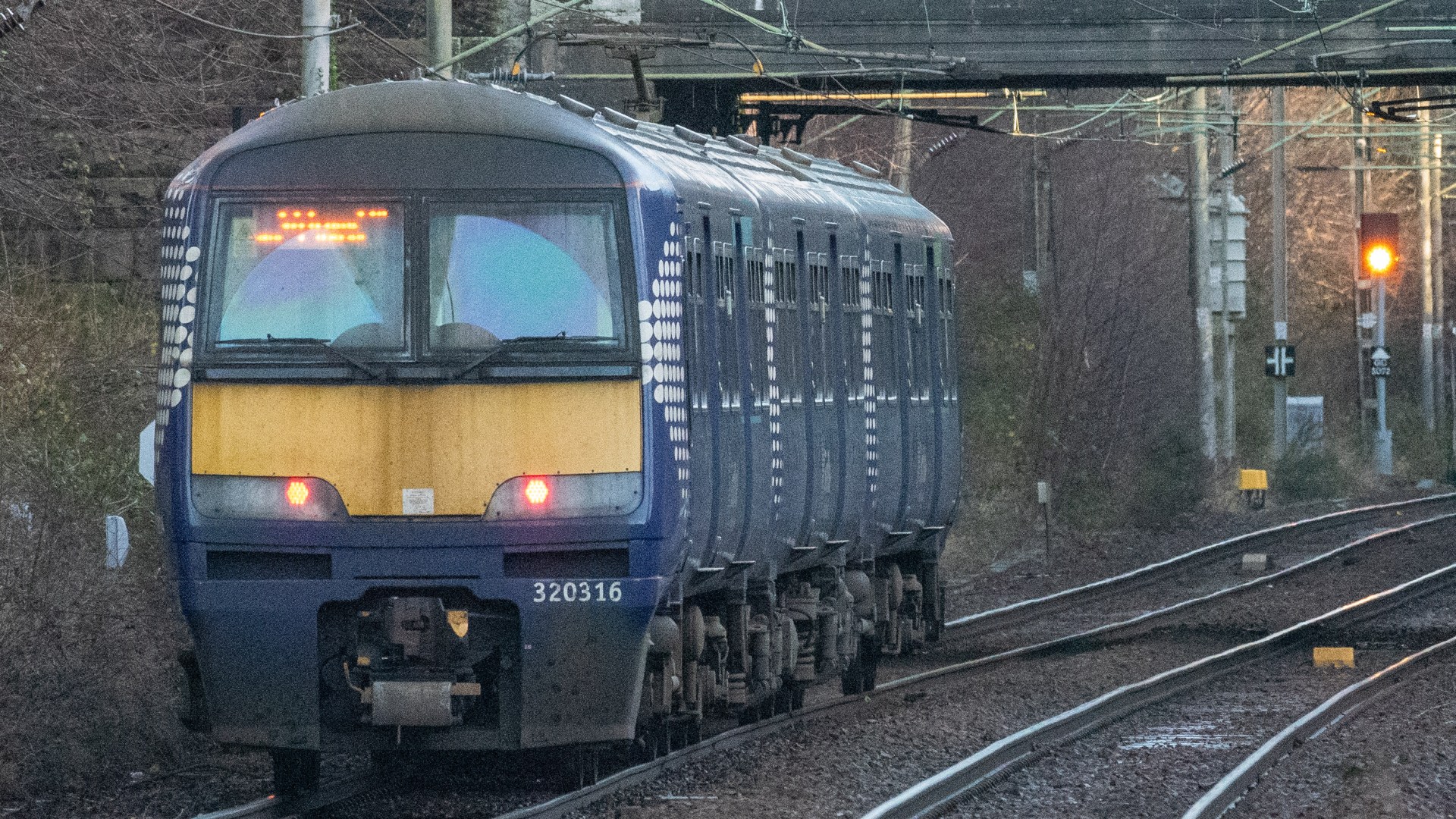
The impending Christmas season is threatened by potential travel disruptions stemming from a recently implemented pay deal for train drivers, a situation acknowledged by Transport Secretary Heidi Alexander. The three-year agreement, which includes a substantial retroactive lump sum payment, has inadvertently disincentivized train drivers and crew members from volunteering for Sunday shifts, traditionally crucial for maintaining weekend service levels. This reduced willingness to work Sundays during the holiday period arises from the financial cushion provided by the back pay, allowing many employees to prioritize time off with family over additional earnings. Ms. Alexander, while acknowledging the current challenge, assures the public that this issue is a temporary consequence of the one-time back payment and will not recur in subsequent years.
The situation underscores the complex interplay between labor relations, compensation structures, and service delivery in the rail industry. The generous pay deal, while intended to address worker concerns and potentially improve long-term morale, has created an unintended short-term disruption. The reliance on voluntary Sunday shifts highlights a potential vulnerability in staffing models, especially during peak travel periods like the holidays. This raises questions about the adequacy of current staffing levels and the need for more robust strategies to ensure consistent service delivery regardless of individual employee choices. The government, through Rail Minister Lord Hendy, is actively assessing staffing levels in anticipation of the renationalization of the railway system, indicating a recognition of the broader implications of this issue.
The Conservative opposition has seized upon the situation to criticize the Labour government’s relationship with unions. They accuse Labour of prioritizing union interests over passenger needs, characterizing the potential Christmas travel disruptions as evidence of this misplaced focus. This critique reflects a broader political debate about the appropriate balance between worker rights and public service obligations. The Conservatives argue that Labour’s close ties with unions have led to concessions that ultimately harm the public, while Labour likely maintains that the pay deal was necessary to address legitimate worker concerns and ensure a stable and motivated workforce in the long run.
Adding to the complexity of the situation is recent research revealing the significant impact of infrastructure issues on rail service reliability. Over the past five years, nearly 15,000 train delays have been attributed to problems with junction points, highlighting a persistent challenge in maintaining the rail network’s operational efficiency. This underscores the interconnectedness of various factors affecting rail travel, with staffing issues now compounding the existing challenges posed by aging or inadequate infrastructure. The combination of staffing shortages and infrastructure vulnerabilities creates a heightened risk of disruptions and delays, particularly during periods of increased demand like the Christmas season.
The confluence of these issues—the pay deal’s unintended consequences, the focus on staffing levels amidst renationalization plans, the political debate over union influence, and the persistent infrastructure challenges—creates a complex and potentially volatile situation for the rail industry. Addressing these interconnected challenges requires a multifaceted approach. This could include revisiting staffing models to reduce reliance on voluntary overtime, investing in infrastructure upgrades to improve reliability, and fostering a more constructive dialogue between government, rail operators, and unions to balance worker needs with the public’s right to reliable and efficient transportation.
The Christmas travel period will serve as a significant test of the rail industry’s resilience and its ability to manage these complex and interwoven challenges. The outcome will likely have implications beyond the holiday season, influencing future policy decisions regarding staffing, infrastructure investment, and the broader relationship between government and unions in the rail sector. The public, meanwhile, faces the uncertainty of potential travel disruptions during a crucial time of year, highlighting the importance of finding sustainable solutions to ensure the long-term stability and reliability of the rail network.