
2024: A Year of Political Rollercoasters and Unexpected Twists
The year 2024 proved to be a whirlwind of political drama, featuring surprising comebacks, unexpected downfalls, and a healthy dose of scandal. Keir Starmer, after finally positioning Labour as a viable governing party, found himself embroiled in a public spat with Elon Musk, the world’s richest man. Meanwhile, Nigel Farage, a long-time figure in British politics, finally secured a parliamentary seat, solidifying his influence and forging a close relationship with the newly re-elected President Donald Trump. The Conservative Party, on the other hand, experienced a disastrous year, culminating in a historic electoral defeat under Rishi Sunak’s leadership. From snap election blunders to freebie scandals, the Tories seemed to stumble from one crisis to another.
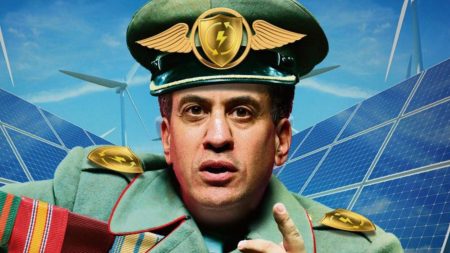
Labour’s campaign promise to clean up political sleaze backfired spectacularly as "Mr. Rules" Starmer himself became entangled in a controversy involving free designer clothing, dresses for his wife, and even Taylor Swift concert tickets. This perceived hypocrisy undermined public trust and provided ammunition for their political opponents. Internal party tensions also simmered, with rising star Wes Streeting taking a public jab at former leader Ed Miliband, drawing laughter from some and ire from others. Peter Mandelson, known for his sharp wit, further stirred the pot with a controversial comment about Starmer’s weight, highlighting the ongoing power dynamics within the Labour Party.
The political landscape was further shaken by the resurgence of Donald Trump, who defied assassination attempts and capitalized on growing dissatisfaction with the Biden administration to reclaim the presidency. The Democrats’ attempts to conceal President Biden’s declining cognitive abilities ultimately backfired, leading to a belated change in leadership but failing to prevent Trump’s return to power. Meanwhile, across the Atlantic, a clash of titans unfolded between Elon Musk and Keir Starmer. Musk’s suggestion of inevitable civil war in Britain sparked controversy, and his potential $100 million donation to Farage’s Reform Party threatened to reshape the British political landscape.
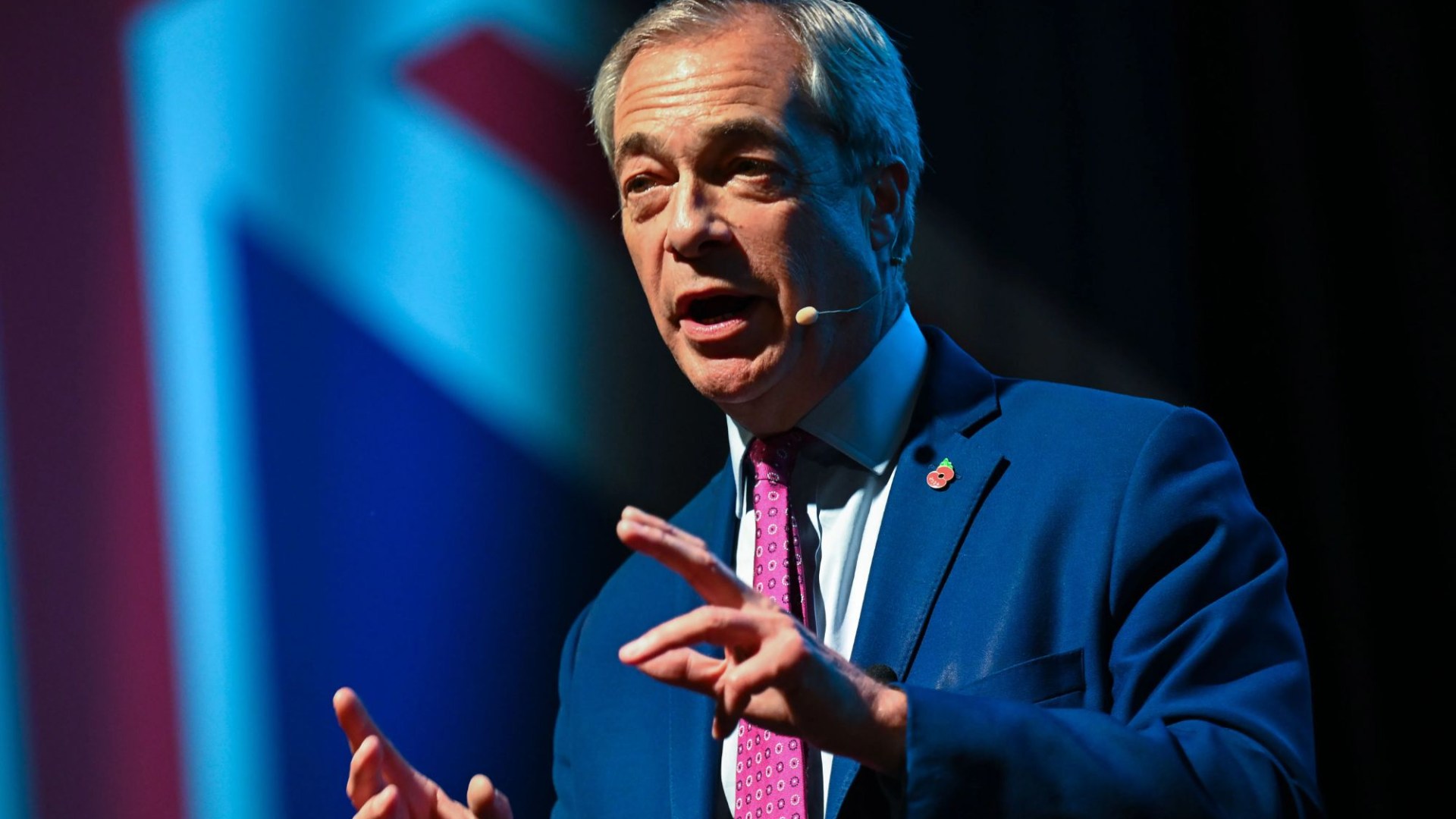
Nigel Farage, despite his long career in politics, experienced a breakthrough year, finally winning a parliamentary seat and gaining considerable influence. His Reform Party secured five seats and millions of votes, further amplified by his close relationship with President Trump. Within the newly formed Labour government, internal power struggles quickly emerged, leading to the swift dismissal of chief of staff Sue Gray amidst accusations of overspending and incompetence. Her rival, Morgan McSweeney, emerged victorious, solidifying his position as a key figure in Starmer’s inner circle.
The year was also punctuated by a series of gaffes and resignations. Starmer’s unfortunate slip of the tongue, referring to "sausages" instead of "hostages," provided a moment of unintended levity. More seriously, a series of resignations rocked the Labour government, including Transport Secretary Louise Haigh over a past fraud conviction and Rosie Duffield, who launched a scathing attack on Starmer’s policies upon her departure. Amidst the political turmoil, Craig Mackinlay’s return to Parliament after battling sepsis and undergoing amputations provided a truly inspiring moment, uniting politicians in a display of respect and admiration.
The political U-turns of 2024 were plentiful, with Labour abandoning several campaign promises, including pledges on Waspi women, green investment, and the two-child benefit cap. However, the most significant U-turn was the imposition of a £40 billion tax increase, directly contradicting their previous commitment not to raise taxes on working people. This blatant reversal drew widespread criticism and further eroded public trust. On a lighter note, the Lib Dem leader Ed Davey embraced a series of attention-grabbing stunts throughout the election campaign, from paddleboarding to rollercoaster interviews, in a bid to capture public attention.
Beyond the major political headlines, a number of smaller stories added to the overall tapestry of the year. Concerns about the nanny state arose following advice from transport authorities urging passengers to eat and drink before going out, prompting questions about the appropriate level of government intervention. The revelation of alleged Chinese spy Yang Tengbo’s connection to Prince Andrew raised questions about national security, while the government’s advice to simply turn phones off and on again in response to potential espionage seemed remarkably simplistic. Even the world of soap operas provided a source of discussion, with the mysterious disappearance of Bianca Jackson from EastEnders prompting speculation among viewers. And finally, a new study on male behavior around women sparked debate about chivalry and sexism, leading to reflections on the changing dynamics between genders in modern society.