



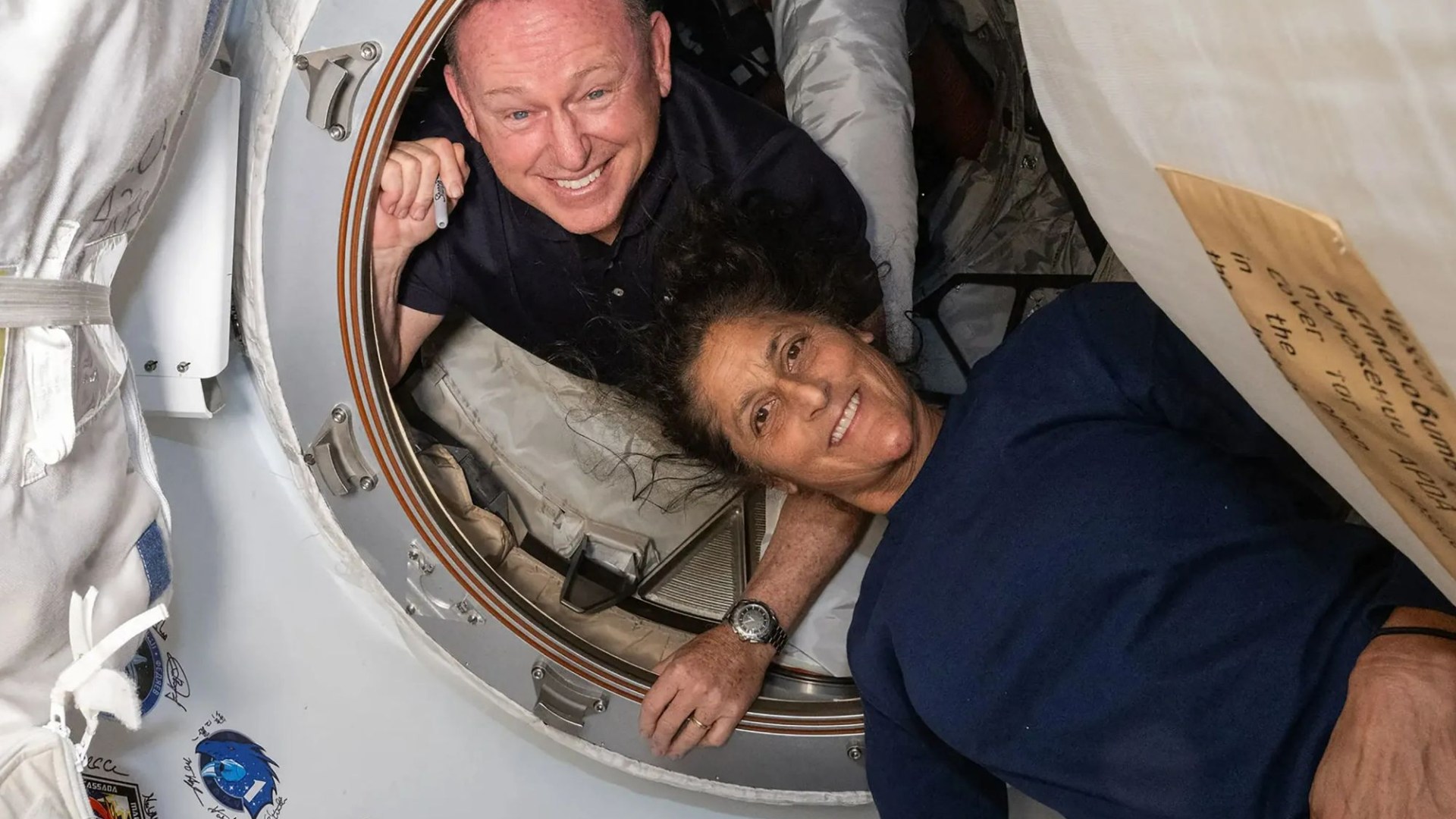
Two American astronauts, Suni Williams and Butch Wilmore, currently residing on the International Space Station (ISS), are facing an extended stay due to a delay in their return mission. Initially scheduled for an eight-day mission that commenced in June, their time in space will now stretch to approximately nine months. The delay stems from concerns regarding the Boeing Starliner capsule, their original mode of transport to the ISS, which has been deemed unsuitable for their return journey to Earth.
NASA has announced that Williams and Wilmore will now return alongside two other crew members, astronaut Nick Hague and Russian cosmonaut Aleksandr Gorbunov. Their collective return is contingent on the arrival of the Crew-10 mission to the ISS. However, the launch of Crew-10, initially planned for February, has been postponed to late March, further extending the stay of the current ISS inhabitants.
The postponement is attributed to the need for additional preparation for the Crew-10 mission, which will utilize SpaceX’s “human space transportation system.” NASA and SpaceX have explored various options for managing the crew handover, including utilizing a different Dragon spacecraft and adjusting the mission manifest. Ultimately, they determined that launching Crew-10 in late March, after the completion of a new Dragon spacecraft, is the most viable option for fulfilling NASA’s requirements and achieving the objectives set for the space station in 2025.
The delay is primarily driven by the meticulous process of preparing a new Dragon spacecraft for the Crew-10 mission. Constructing, assembling, testing, and integrating a new spacecraft demands meticulous attention to detail and rigorous quality control. NASA emphasizes the intricate nature of this process, highlighting the dedication of the SpaceX team in expanding the Dragon fleet to support ongoing missions. They also acknowledge the flexibility demonstrated by the station program and expedition crews in accommodating the adjusted timeline.
While the exact return date for the astronauts remains unspecified, the delay underscores the complexities inherent in space travel and the paramount importance of ensuring the safety and reliability of spacecraft. The extended stay presents both challenges and opportunities for the astronauts. They will need to adjust to a prolonged period in microgravity and adapt their research schedules. However, the additional time also allows for extended observation and data collection, potentially enriching the scientific output of their mission.
This situation exemplifies the inherent uncertainties associated with space exploration and the need for adaptable strategies. The collaborative efforts of NASA and SpaceX, along with the resilience of the astronauts, highlight the commitment to advancing human presence in space despite unforeseen challenges. The delay, while disruptive, ultimately prioritizes safety and mission success, reaffirming the meticulous approach required for sustained space exploration.