



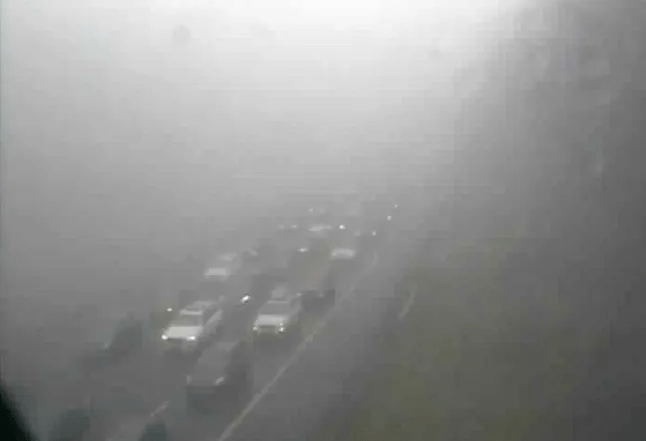
The Christmas getaway of 2023 witnessed significant travel disruptions across the UK, primarily stemming from a major incident on the M40 motorway and compounded by pre-planned engineering works and residual effects of severe weather. An overturned HGV on the M40 in Oxfordshire forced the closure of all lanes between junctions J8A and J6, creating substantial delays for motorists. This incident coincided with the predicted peak of Christmas travel, with an estimated 3.8 million car journeys taking place on that day, representing the busiest Christmas getaway on record. The M40 incident amplified the already heavy traffic flow, leading to significant congestion and adding to the stress of holiday travel for countless individuals attempting to reach their destinations for Christmas celebrations.
The overturned lorry immediately blocked all lanes, causing a bottleneck that rapidly extended backwards, impacting traffic flow for miles. Authorities estimated delays of at least 45 minutes, with queues trailing back as far as junction 9. This incident, while isolated, highlighted the vulnerability of major transportation arteries during peak travel periods, where even a single incident can have cascading effects on the entire network. The disruption underscored the importance of robust contingency planning and rapid response mechanisms for managing such incidents and mitigating their impact on travelers.
Adding to the travel woes, planned engineering works on the South Western Rail network between London Waterloo and Guildford further exacerbated the challenges faced by holiday travelers. The closure of all lines in Clandon throughout the day resulted in delays and inconveniences for passengers relying on rail services for their Christmas journeys. This scheduled maintenance, while essential for long-term network reliability, unfortunately coincided with the peak travel period, further straining the transportation system and disrupting the plans of many individuals. The confluence of the M40 incident and the rail disruptions painted a picture of widespread travel difficulties, leaving many travelers stranded, delayed, or forced to seek alternative routes.
The previous day’s severe weather conditions, particularly in Scotland, contributed residual impacts to the overall travel situation. Ferocious winds reaching speeds of 82mph had caused disruptions to trains, flights, and ferries, creating a backlog of travelers and further stressing the transportation network. While the immediate impact of the storm had subsided, the residual effects lingered, impacting schedules and adding to the complexity of managing the Christmas travel rush. The combined effects of the storm aftermath, planned engineering works, and the unforeseen HGV incident created a perfect storm of travel disruption, highlighting the interconnected nature of the transportation system and the vulnerability of travelers during peak periods.
The record-breaking number of car journeys anticipated for that day – nearly 800,000 more than the previous day’s estimated 3 million – placed an immense strain on the road network, even without the added complication of the M40 incident. This surge in traffic volume underscored the growing reliance on personal vehicles for holiday travel and the challenges this presents for managing traffic flow and ensuring road safety. The incident on the M40 served as a stark reminder of the potential for even minor incidents to escalate into major disruptions, particularly during periods of high traffic density. The sheer volume of vehicles on the roads, coupled with the incident-related closures, created a challenging situation for both travelers and transportation authorities.
The combination of factors – a major highway incident, planned engineering works on rail lines, residual effects of severe weather, and the sheer volume of holiday travelers – created a challenging travel landscape during the Christmas getaway. This confluence of events underscored the fragility of the transportation system during peak periods and the importance of comprehensive planning and effective incident management strategies. The disruptions experienced by countless travelers served as a reminder of the unpredictable nature of travel and the need for flexibility and patience when navigating the complexities of holiday journeys. The events of that Christmas getaway highlighted the intricate interplay between various components of the transportation system and the need for continuous improvement in infrastructure, planning, and emergency response capabilities to better manage future peak travel periods.