



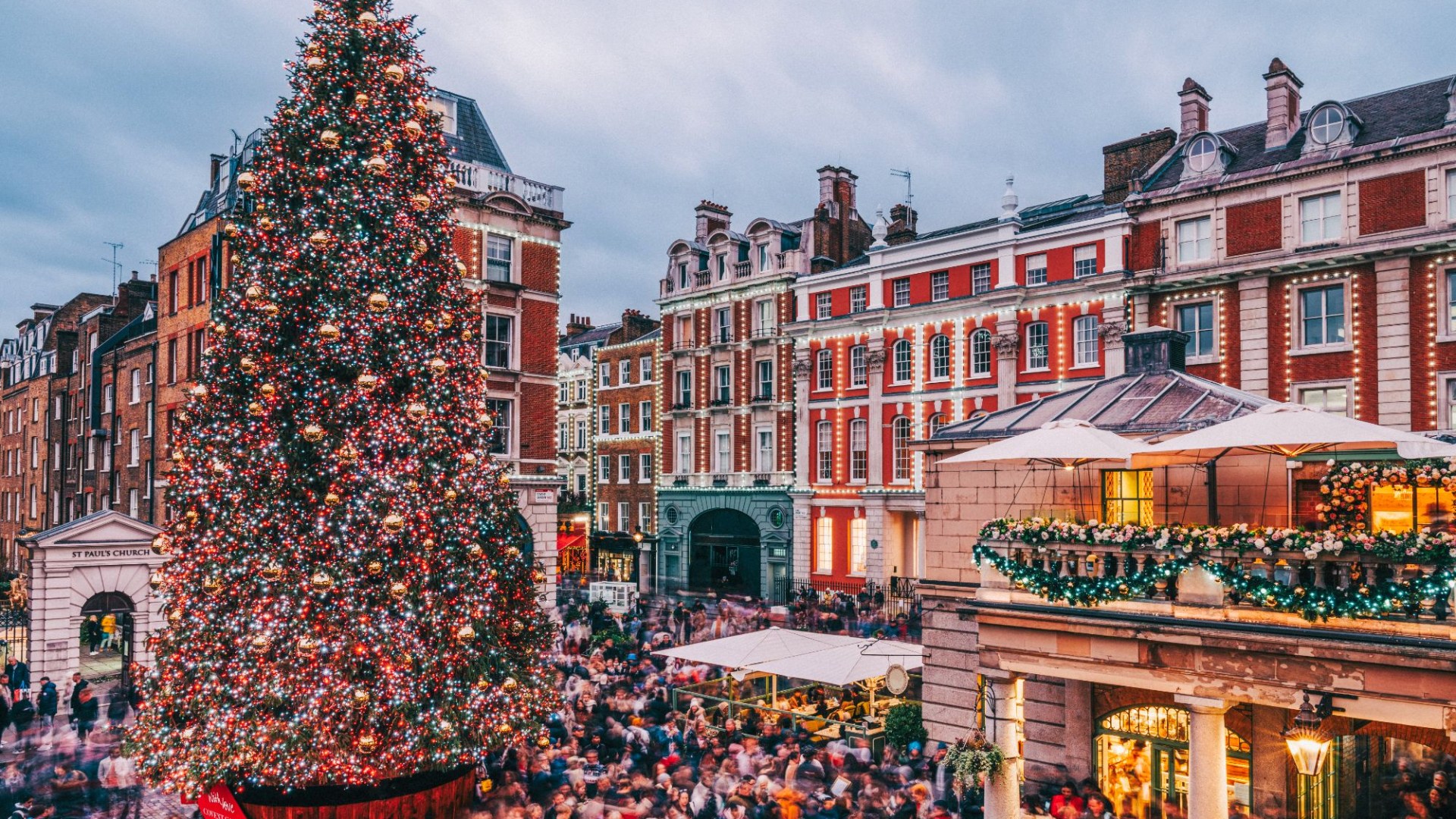
The United Kingdom can expect a mild, dry, and predominantly cloudy Christmas Day, devoid of the traditional snowy or frosty scenes. This “green Christmas,” as dubbed by the Met Office, will see temperatures significantly above average, offering comfortable conditions for those venturing out, including well-wishers greeting the Royal Family at their annual Christmas church service in Sandringham. While disappointing for those hoping for a white Christmas, the lack of disruptive weather conditions is a boon for holiday travelers. The cloud cover will be widespread, with only a few lucky locations experiencing brief glimpses of sunshine.
Christmas Eve saw a considerable temperature range, with a high of 15.2°C recorded in northern Scotland contrasting sharply with a low of 3.5°C in Suffolk. This mild trend is expected to persist throughout the Christmas period, with Christmas Day mirroring Christmas Eve’s conditions. Northern Scotland, however, should brace for strong winds, potentially reaching gale force in the far north, accompanied by rain. The rest of the country will remain largely dry, though the pervasive cloud cover will limit sunshine.
Boxing Day promises a similar meteorological picture: overcast skies, mild temperatures, and limited sunshine. A few brighter spells might grace north-east England and the Midlands, while the Shetland Isles in northern Scotland stand a better chance of seeing more sunshine. This relatively stable weather pattern will continue through the latter part of the week and into the weekend.
As the calendar flips towards the New Year, however, a shift in the weather pattern is anticipated. A cooler and wetter regime is set to envelop the UK, potentially bringing heavy rain and an increased likelihood of snow, particularly in northern regions. The exact locations for snowfall remain uncertain at this stage, but the transition to more unsettled conditions marks a departure from the predominantly mild and dry weather of the Christmas period.
This change in weather is expected to become more pronounced around January 30th, with colder air pushing southwards across the country. This colder air mass will increase the chances of sleet and snow, especially in the northern parts of the UK. The current forecast suggests that this colder, wetter weather pattern will persist into the New Year, bringing a more traditional winter feel to the UK.
In summary, while Christmas itself will be mild, dry, and cloudy, lacking the quintessential winter wonderland ambiance, the New Year promises a return to more seasonal conditions. The transition is expected to begin around the end of the week and into the following weekend, culminating in a colder and wetter pattern around January 30th, potentially bringing snow to parts of the country, particularly in the north. This change will mark a significant departure from the unusually mild Christmas period.