

The Chagos Islands, a British Indian Ocean Territory, have become the center of a complex international dispute, with recent developments significantly impacting the planned handover of the archipelago to Mauritius. Sir Keir Starmer, a prominent figure in British politics, championed the handover agreement as a key foreign policy objective. However, the newly elected Mauritian Prime Minister, Navinchandra Ramgoolam, has rejected the agreement, deeming it inadequate for his nation’s interests. This rejection constitutes a considerable setback for Starmer’s initiative and introduces a fresh layer of complexity to the already protracted dispute surrounding the islands’ sovereignty.
Ramgoolam’s decision follows a legal review of the handover agreement, which was finalized just prior to the Mauritian elections. The review reportedly recommended renegotiating the terms, suggesting that the previous agreement was hastily concluded and did not fully address Mauritius’s concerns. Ramgoolam’s public declaration in parliament, directly communicating the rejection to British National Security Adviser Jonathan Powell, underscores his firm stance on the matter. This action signifies a potential shift in the dynamics between the UK and Mauritius regarding the Chagos Islands, with implications for future negotiations.
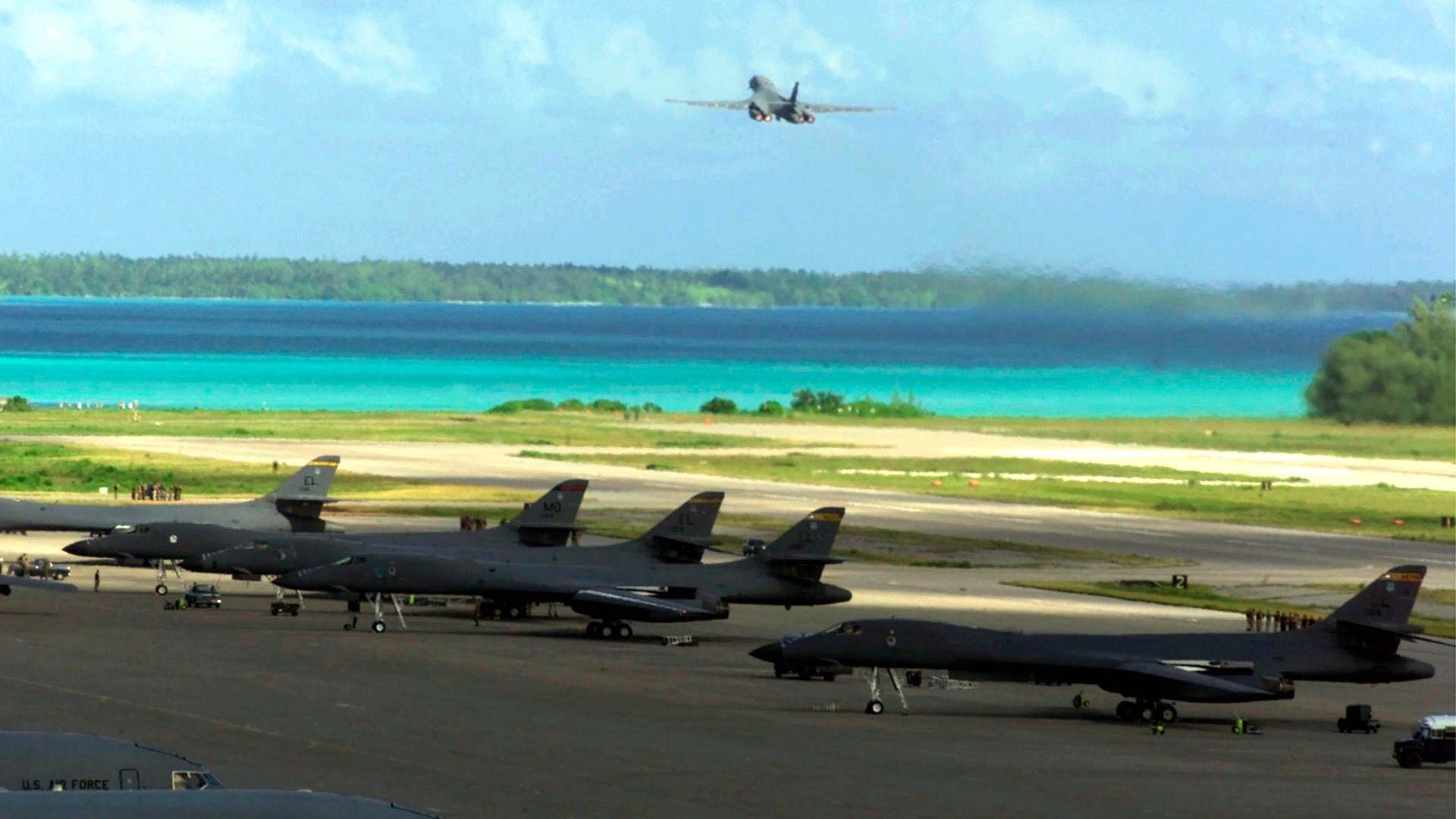
The dispute over the Chagos Islands extends beyond the UK and Mauritius, drawing in the United States due to the strategic importance of Diego Garcia, the largest island in the archipelago. Diego Garcia hosts a significant US airbase, crucial for military operations in the Middle East and beyond. Reportedly, former US President Donald Trump expressed concerns about the handover agreement, fearing it could compromise the security of the base. This adds another dimension to the already complex situation, highlighting the strategic significance of the islands and the potential impact of the handover on international relations.
A key concern revolves around the potential influence of China in the region. Mauritius maintains trade ties with China, raising concerns among some that Beijing could gain access to sensitive information related to the US base if Mauritius were to gain control of the Chagos Islands. This concern further complicates the situation, intertwining geopolitical considerations with the sovereignty dispute. The potential for increased Chinese influence in the Indian Ocean adds a layer of strategic complexity, potentially impacting the US military presence and regional power dynamics.
Despite the setback, the British government maintains its commitment to the handover agreement, emphasizing its mutual benefits for both the UK and Mauritius. Downing Street acknowledges the change in Mauritian leadership and emphasizes ongoing engagement with the new administration. This suggests a willingness to renegotiate the terms of the agreement to address Mauritius’s concerns and potentially salvage the handover plan. The British government’s continued commitment to the handover indicates a desire to resolve the longstanding dispute and maintain a positive relationship with Mauritius.
The rejection of the initial handover agreement marks a critical juncture in the future of the Chagos Islands. The various stakeholders involved – the UK, Mauritius, the US, and indirectly, China – all have vested interests in the outcome. The renegotiations present an opportunity to address the concerns raised by Mauritius and potentially forge a new agreement that respects the sovereignty of Mauritius while also safeguarding the strategic interests of the US and the UK. The future of the Chagos Islands remains uncertain, with the upcoming negotiations playing a pivotal role in shaping the final outcome. The complex interplay of geopolitical factors and the evolving relationship between the involved nations will undoubtedly influence the direction of the discussions and the ultimate fate of the archipelago.