

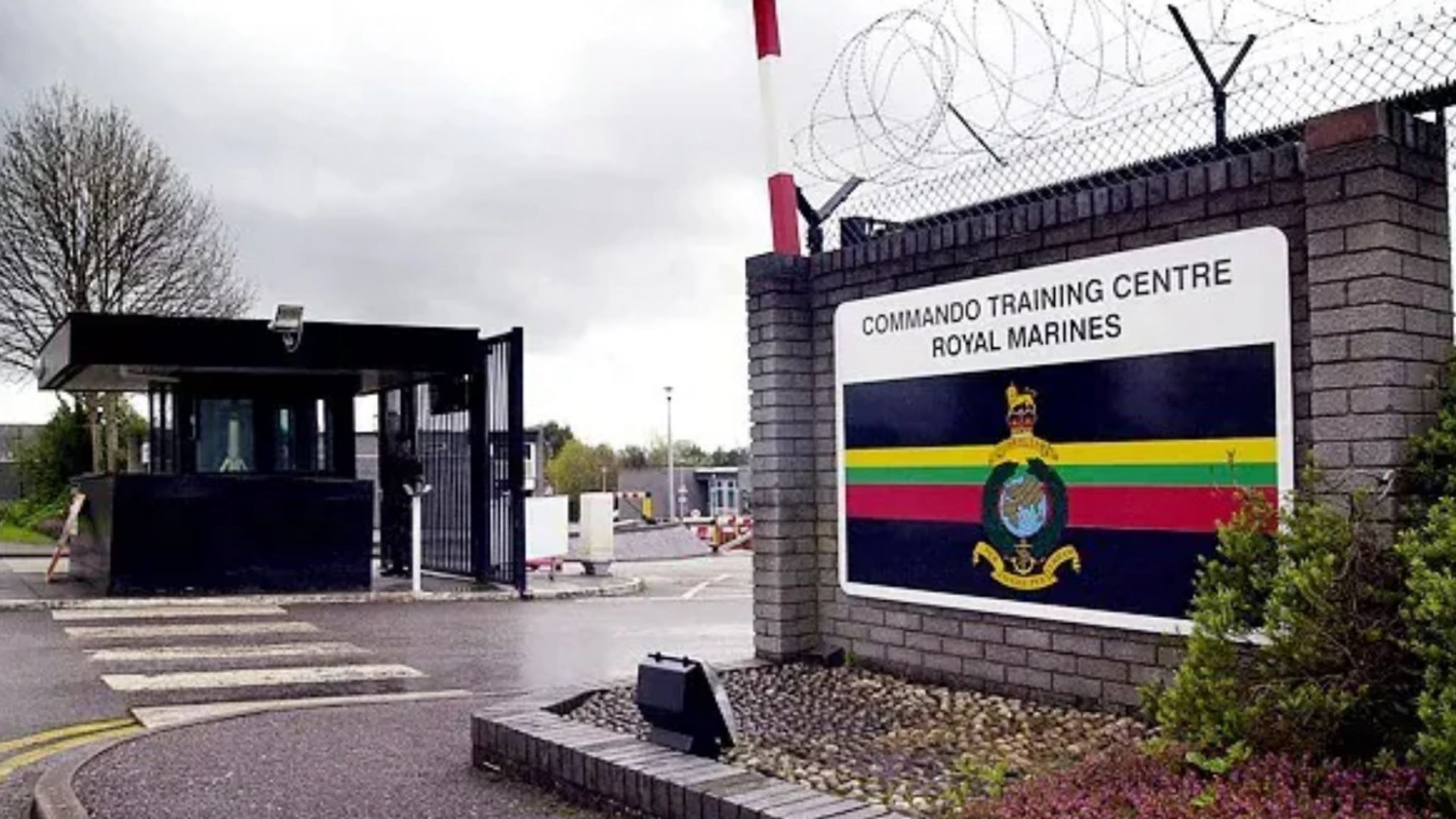
The festive spirit clashed with health and safety regulations at the Commando Training Centre in Lympstone, Devon, an elite Marines base renowned for its grueling 36-week training program. A group of recruits, eager to infuse some holiday cheer into their rigorous training environment, erected a magnificent 20-foot Christmas tree, adorned with festive decorations. This symbol of Christmas, meant to uplift spirits and offer a momentary respite from the demanding training regime, quickly became the center of a controversy. A civilian facilities manager, citing fire safety concerns, ordered the removal of the towering pine, much to the dismay and bewilderment of the recruits.
The recruits, who endure a rigorous training schedule that includes a 30-mile march across Dartmoor and a night-time cliff assault, found the order to remove the tree both ironic and frustrating. The irony stemmed from the perceived contrast between the dangers they routinely faced during training and the perceived trivial nature of the risk posed by the Christmas tree. The recruits, trained to navigate treacherous terrains and confront potentially life-threatening situations, felt the concerns about the tree blocking a fire exit were disproportionate to their abilities and training. This sentiment was echoed in their reactions, with some recruits voicing grumbling “Grinch” comments, reflecting their disappointment at having their festive display dismantled.
The grand scale of the Christmas tree, strategically positioned to spread holiday cheer across multiple floors of the base, further amplified the recruits’ frustration. The tree, described as “epic” and visually impressive, was a testament to the recruits’ efforts to inject some festive spirit into their demanding training environment. The fact that their meticulously crafted display was deemed a safety hazard by a civilian manager, rather than their military superiors who were reportedly impressed by the tree, added another layer of complexity to the situation. This discrepancy highlighted a potential disconnect between the practical realities of military training and the stringent application of health and safety regulations.
The incident sparked a wider debate about the perceived overreach of health and safety regulations, particularly within a military context where risk assessment and management are integral aspects of training. The recruits, accustomed to navigating complex and potentially hazardous environments as part of their training, questioned the necessity of such stringent measures for a Christmas tree, particularly when weighed against the demanding physical and mental challenges they regularly faced. The argument put forth was that individuals capable of navigating a 30-mile march across Dartmoor should be deemed capable of circumventing a Christmas tree in the event of a fire.
The Royal Navy, responding to the controversy, confirmed the removal of the tree due to its placement blocking a fire exit. However, they also emphasized that the tree was subsequently relocated to a prominent position outside the building, ensuring its visibility and preserving the festive spirit. This compromise aimed to address the safety concerns while still allowing the recruits to enjoy their Christmas display, albeit in a different location. The relocation of the tree, while a resolution to the immediate issue, left lingering questions about the appropriateness of applying standard health and safety protocols to a highly specialized and demanding training environment like the Commando Training Centre.
The incident at the Commando Training Centre provides a microcosm of the broader tensions that can arise between safety regulations and practical realities in demanding professional environments. While the importance of fire safety is undeniable, the context in which these regulations are applied needs to be carefully considered. In this case, the rigorous training and inherent risk management skills of the recruits seemed to be at odds with the stringent application of standard fire safety protocols. The eventual relocation of the tree represents a compromise, but also highlights the need for a nuanced approach to safety regulations, especially in environments where individuals are trained to manage and mitigate risks on a daily basis.