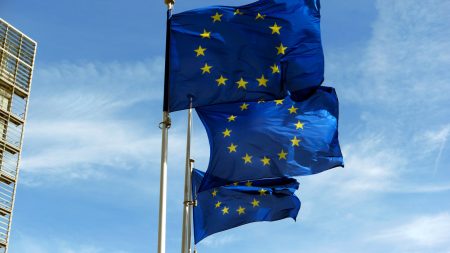


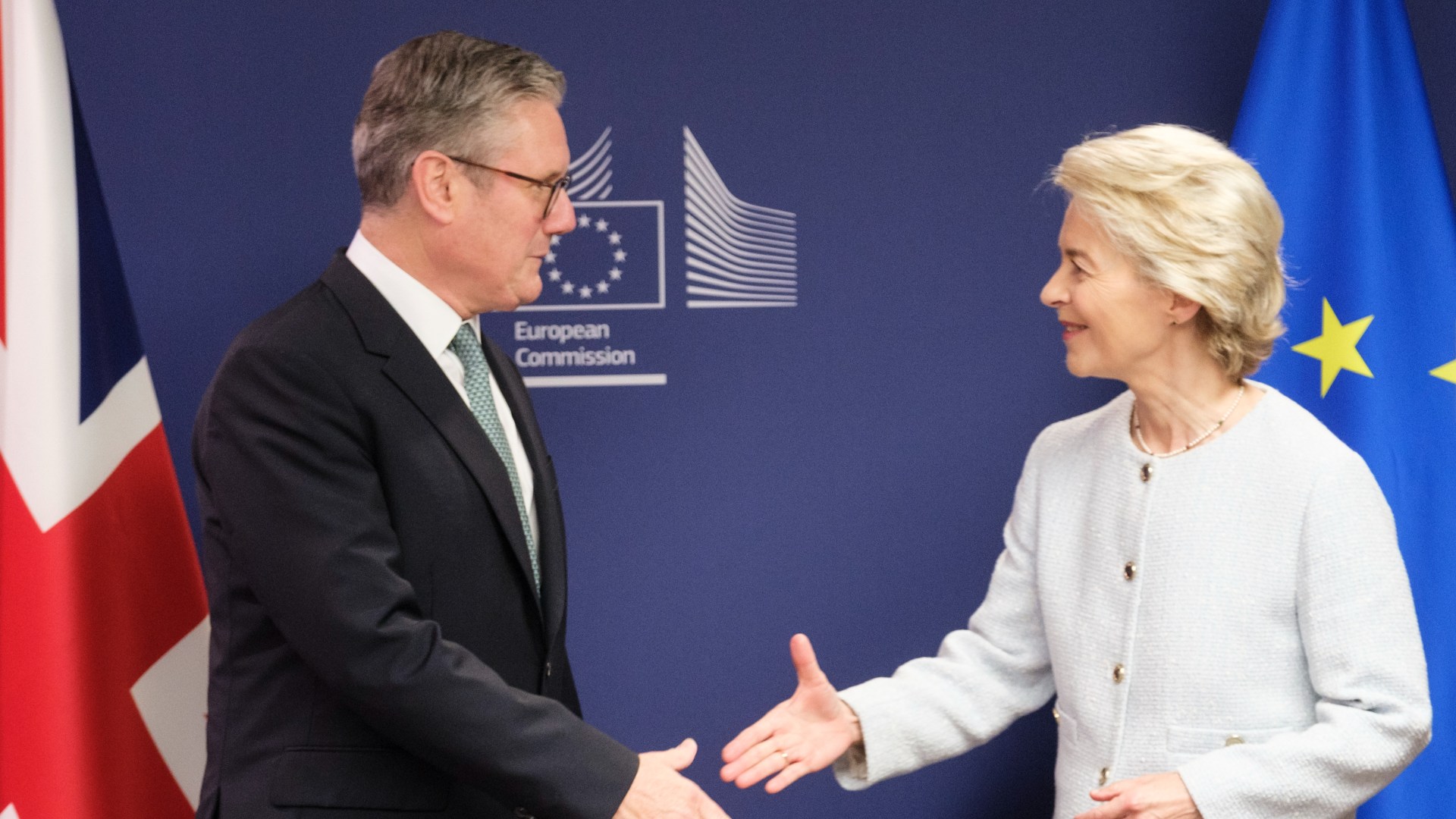
The UK is facing a potential renegotiation of its Brexit terms with the EU, raising concerns about a possible erosion of sovereignty and a stealthy return to the bloc. Leaked EU negotiating documents suggest Brussels is seeking significant concessions from the UK, including renewed access to British fishing waters, a youth mobility scheme akin to freedom of movement for those under 30, and the UK’s re-subordination to EU law and the European Court of Justice (ECJ). In return, the EU offers potential enhancements to security and crime cooperation and a softening of agricultural goods checks. However, the UK’s attempts to secure better access for its defense industry into the European market have been flatly rejected. This perceived imbalance in the proposed negotiations has triggered a “Don’t Betray Brexit” campaign, spearheaded by The Sun, amid fears that Prime Minister Rishi Sunak and Labour leader Keir Starmer are paving the way for a return to EU control.
Critics, including prominent Brexiteers such as Lord Frost, Jacob Rees-Mogg, David Jones, and Steve Baker, argue that the proposed “reset” with the EU, championed by Starmer, is a thinly veiled attempt to reverse Brexit. They express concerns that Labour, under Starmer’s leadership, is willing to sacrifice UK sovereignty and control over its laws in exchange for a deal with Brussels. Lord Frost warns that accepting EU demands would be a grave mistake, echoing the concessions made by Theresa May, which ultimately led to parliamentary deadlock and a weakened negotiating position. The critics fear that any agreement involving a return to EU law and ECJ jurisdiction would be a betrayal of the 2016 referendum result.
Public figures and politicians are divided over the potential benefits and drawbacks of closer ties with the EU. While some see the potential for enhanced security cooperation and smoother trade relations, others view the demands from Brussels as an unacceptable infringement on British sovereignty and a betrayal of the Brexit vote. Downing Street has denied the existence of a dedicated team working to reverse Brexit, emphasizing instead the government’s commitment to making Brexit work and strengthening ties with European partners. However, the ongoing legal action by the EU against the UK at the ECJ over alleged shortcomings in the implementation of the citizens’ rights agreement further underscores the tense relationship between the two sides.
The leaked EU documents outline four key areas where Brussels seeks concessions: the re-establishment of ECJ jurisdiction over UK law, especially in trade matters; the introduction of a youth mobility scheme allowing free movement for under-30s; the return of control over UK fishing waters to the EU; and the UK’s “dynamic alignment” with EU regulations in exchange for improved trade and security ties. This last point is particularly contentious, as it would require the UK to continuously adopt evolving EU rules, potentially hindering its ability to pursue independent trade deals with other countries like the US. These demands have fueled the concerns of Brexiteers, who view them as a calculated attempt by the EU to regain control over the UK.
Trevor Kavanagh, in a colorful analogy, compares the UK’s potential return to the EU to “rats joining a sinking ship.” He highlights the economic challenges faced by the EU, particularly in Germany and France, and criticizes Starmer’s apparent preference for a “reset” with the struggling bloc over a lucrative trade deal with the US. Kavanagh argues that a US trade deal would unlock access to the world’s largest market and offer protection from tariffs, while aligning with the EU would further entangle the UK in a declining economic and political entity. He criticizes Angela Merkel’s policies, specifically her open-border approach to migration and her push for the green revolution, as contributing factors to the EU’s current woes and blames her for exacerbating the Brexit situation. Kavanagh emphasizes the irony of EU leaders now seeking the same border controls that David Cameron requested before the referendum.
The debate over the future of the UK’s relationship with the EU remains highly charged. Concerns about sovereignty, economic opportunities, and the interpretation of the 2016 referendum result continue to divide public opinion and fuel political debate. The unfolding negotiations, and the government’s response to EU demands, will be crucial in determining the UK’s long-term relationship with the bloc and its place on the global stage. The “Don’t Betray Brexit” campaign reflects the anxieties of those who fear a return to EU influence, while proponents of closer ties argue that such a move is necessary for economic stability and security cooperation. The central question remains: how can the UK balance its desire for sovereignty with the practicalities of maintaining a functional relationship with its closest neighbors?