


The Unsolved Murder of Jacqueline Johns: A Cold Case Re-Examined
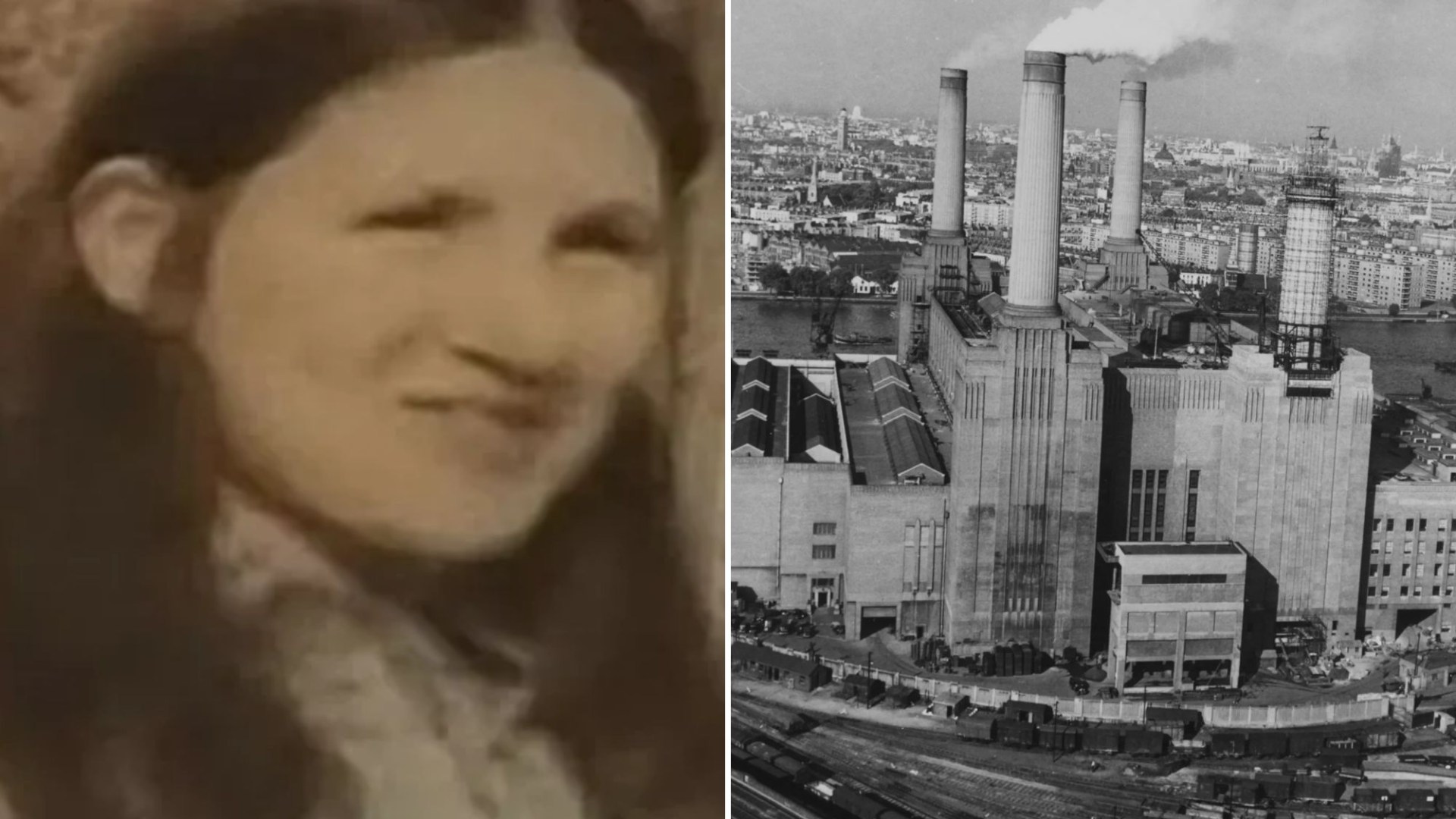
In 1973, 16-year-old Jacqueline Johns was found murdered near Battersea Power Station in London. Her naked body, discovered just two days after she disappeared, bore the grim marks of rape and strangulation. The vibrant yellow dress and sheepskin coat she wore that night vanished, along with most of her other belongings. Only her shoes remained, a seemingly insignificant detail at the time, but one that might hold the key to finally solving this decades-old crime. More than 50 years later, the case remains open, a chilling testament to a life tragically cut short and a family left without answers.
Criminologist David Wilson believes that modern forensic techniques, unavailable in 1973, could unlock crucial information from the discarded shoes. Soil samples, trace evidence, even DNA, might still be present, offering potential links to the perpetrator. The fact that Jacqueline’s shoes were left behind while the rest of her clothing was taken raises further questions. Was it a matter of time, preventing the killer from removing them? Or was it a psychological element, a disturbing ritual connected to the crime itself? These are questions that could shed light on the killer’s motives and modus operandi.
The initial investigation into Jacqueline’s murder was hampered by the limitations of the era. CCTV footage and DNA analysis were not yet standard investigative tools. The lack of these resources, coupled with what appears to be a less rigorous approach to preserving evidence, may have hindered early efforts to identify the killer. Wilson questions the thoroughness of the original investigation, highlighting the apparent lack of public appeals, the absence of follow-up on potential witnesses (such as the woman seen talking to Jacqueline at Victoria Station), and the infrequent reviews of the case over the subsequent decades. He emphasizes that unsolved murder cases should be reviewed regularly, urging Jacqueline’s family to press the Metropolitan Police for a renewed examination of the evidence.
The specter of serial killer Robert Black has loomed large over the case. Black, a delivery driver who preyed on young girls in the 1970s and 80s, was convicted of murdering four children and suspected of involvement in numerous other disappearances. Jacqueline’s family was informed in the early 1990s that Black might be a suspect, based on a bracelet found in his possession that resembled one Jacqueline owned. However, the connection remained inconclusive, and communication between the police and the family ceased. Wilson, however, believes that Black is an unlikely suspect in Jacqueline’s murder. Black’s victims were typically younger, pre-pubescent girls, and his modus operandi involved abducting and killing them outside of London. Wilson suggests that Black’s notoriety has made him a convenient suspect in unsolved cases involving young female victims, obscuring the potential involvement of other perpetrators.
The possibility of two killers being involved has also been considered. The location where Jacqueline’s body was found, and perhaps the nature of the crime itself, led police in 1974 to speculate that two individuals might have been responsible. Wilson points to historical examples of killers working in pairs, highlighting the phenomenon of "folie à deux," a shared delusion or psychosis. The theory of two perpetrators introduces further complexity to the case, adding another layer of difficulty to identifying and apprehending those responsible. The 1970s, Wilson notes, saw a number of unsolved murders of young women, suggesting a broader societal issue regarding their vulnerability and the challenges in securing justice for them.
Despite the passage of time, there remains hope for solving Jacqueline’s murder. The case, though cold, is not forgotten. Renewed scrutiny of the existing evidence, coupled with advancements in forensic science, could finally provide the answers that her family has been seeking for so long. The discarded shoes, once overlooked, could now be the crucial piece of the puzzle, leading investigators to the perpetrator and bringing closure to a tragedy that has spanned over five decades. The family’s continued pursuit of justice, alongside the efforts of criminologists like David Wilson, keeps the hope alive that Jacqueline’s killer will finally be brought to account.