


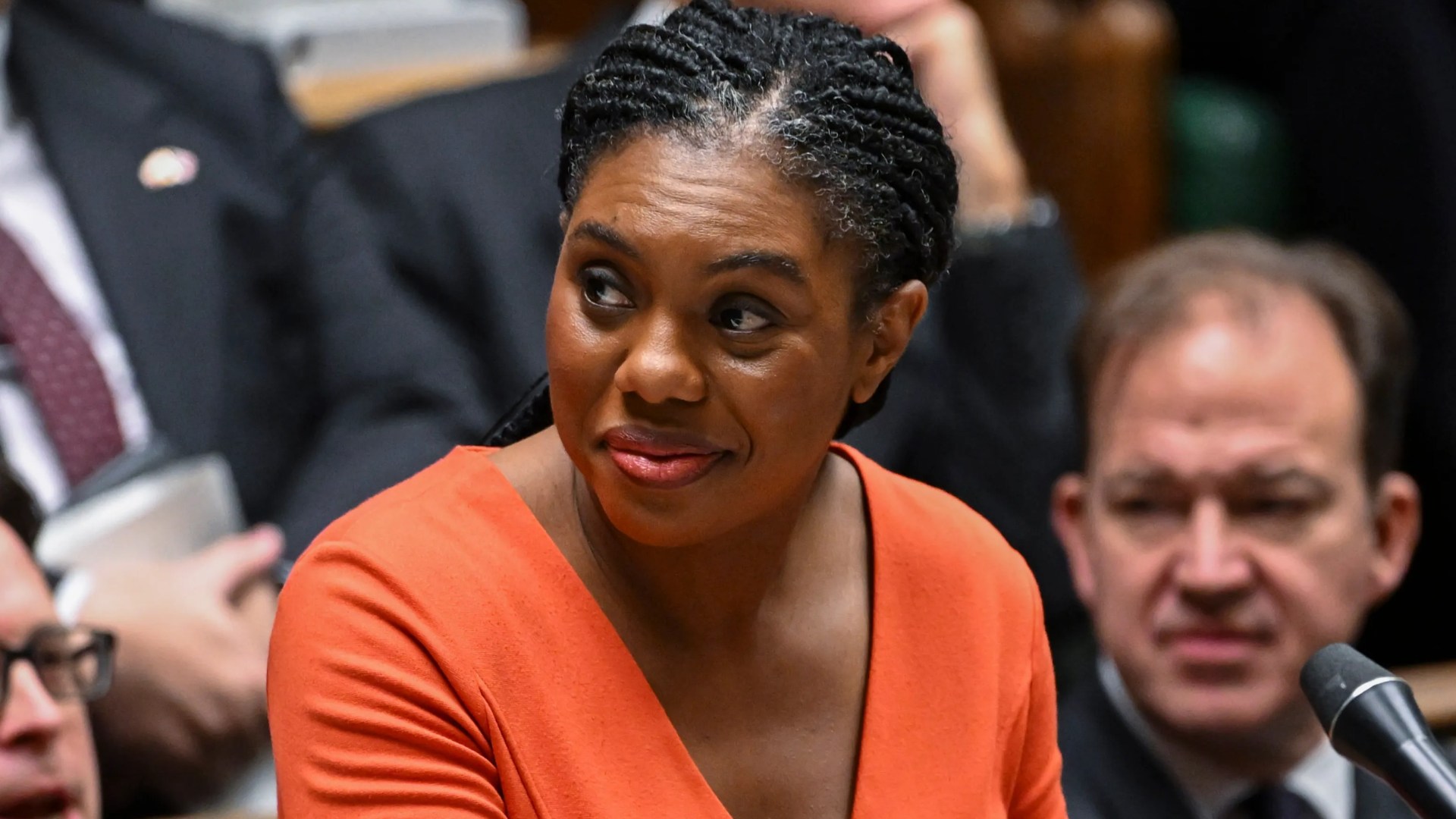
Kemi Badenoch, the Conservative Party leader, has launched a scathing attack on Labour leader Sir Keir Starmer, accusing him of plotting to “bend the knee” to the European Union and reignite the Brexit debate. Badenoch warns that Starmer’s attempts to renegotiate the UK’s relationship with Brussels risk surrendering hard-won Brexit freedoms and allowing foreign judges to once again influence British law. Leaked documents, suggesting the EU seeks concessions on fishing rights, free movement for young people, and a return to European Court of Justice jurisdiction, have fuelled Badenoch’s concerns. She argues that these demands, offered in exchange for softer goods checks and a security pact, represent a significant threat to British sovereignty. Badenoch’s accusations come as the UK grapples with economic challenges, including shrinking growth and rising inflation, and she contends that Labour’s policies are exacerbating these problems.
Badenoch points to Labour’s agreement to inflation-busting pay deals for striking workers and the decision to relinquish control of the Chagos Islands as evidence of their willingness to concede under pressure. She frames these actions as a pattern of capitulation that extends to Starmer’s approach to Brexit. The Conservative leader contrasts her own staunch pro-Brexit stance with Starmer’s past opposition to leaving the EU, highlighting his repeated votes against the final Brexit deal. She warns that Starmer’s proposed new deal with the EU will erode British independence and undermine the progress made since leaving the bloc. Badenoch insists she will not allow Labour to “get away” with compromising Brexit gains, portraying herself as the defender of British sovereignty and economic interests.
The timing of this attack coincides with the release of leaked documents that purport to reveal the EU’s negotiating position. These documents, cited by Badenoch and others, suggest that the EU is seeking to leverage the UK’s economic difficulties to regain influence. The demands for greater access to British fishing waters, expanded free movement, and a role for the European Court of Justice are presented as unacceptable concessions that threaten to undo the core principles of Brexit. Badenoch’s rhetoric aims to paint Starmer as willing to sacrifice these principles in pursuit of a deal that she argues will ultimately harm the British people.
Badenoch’s accusations come against a backdrop of economic challenges for the UK. She highlights the shrinking economy, rising inflation, and job losses as evidence of the government’s struggles. Badenoch seeks to link these economic woes to Labour’s policies, arguing that their approach to Brexit and other issues is exacerbating the situation. She criticizes what she describes as Labour’s broken promises and accuses them of “punching the British people in the face” with their policies. This rhetoric serves to position the Conservatives as the responsible economic stewards and to portray Labour as a threat to the nation’s well-being.
Furthermore, Badenoch draws parallels between Starmer’s perceived willingness to compromise with the EU and other policy decisions she deems detrimental to the UK. The decision to grant inflation-busting pay rises to striking workers and the relinquishment of control over the Chagos Islands are presented as further examples of Labour’s tendency to concede under pressure. By linking these seemingly disparate issues, Badenoch aims to create a narrative of consistent weakness and capitulation on the part of the Labour leadership. This narrative seeks to reinforce the image of Starmer as unfit to lead the country and protect its interests.
The broader context of these accusations revolves around the ongoing debate about the UK’s post-Brexit relationship with the EU. While the Prime Minister has expressed a desire to “reset” the relationship and secure a better deal for the British people, he has also ruled out rejoining the EU or re-entering the single market and customs union. This delicate balancing act reflects the continuing divisions within the UK over Brexit and the challenges of navigating a new relationship with Europe. Badenoch’s intervention serves to harden the Conservative stance, portraying any attempt at compromise as a betrayal of Brexit principles. This positioning likely aims to appeal to the core Conservative base and solidify her leadership within the party.