



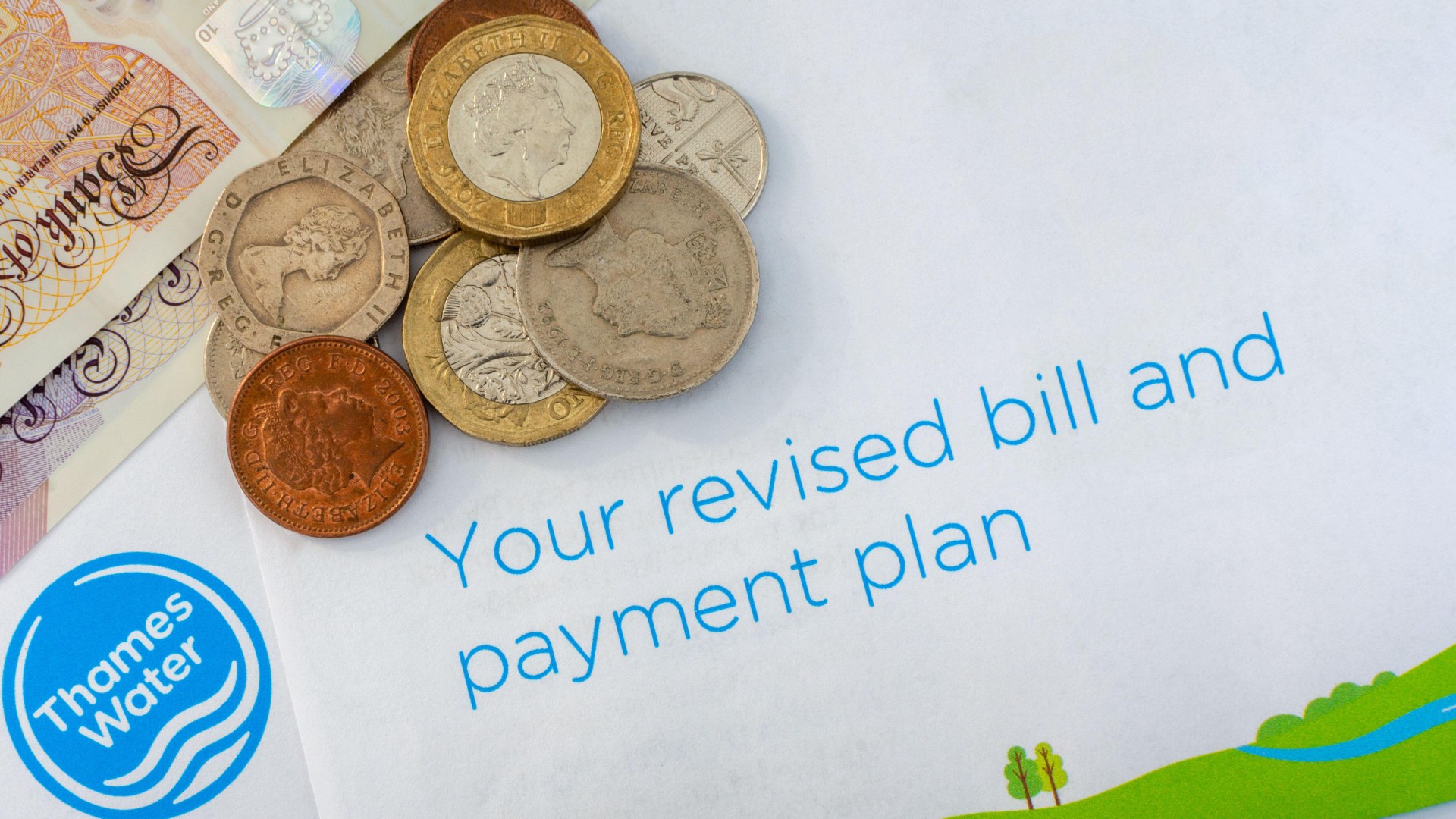
The escalating water crisis in the UK has ignited public outrage, with citizens grappling with both a crumbling infrastructure and exorbitant price hikes. Water utility companies, despite their consistent failures in service delivery, are imposing an average 36% increase in water bills. This blatant disregard for public welfare is exemplified by Southern Water, whose CEO, Lawrence Gosden, justifies a staggering 53% price increase by 2030 as essential for “improved performance and infrastructure.” This justification rings hollow as thousands of households recently endured water outages due to system failures, forcing businesses and schools to close amidst chaotic scenes of bottled water distribution. Compounding the injustice, water company executives continue to receive lavish compensation packages, including exorbitant bonuses averaging £180,000, while customers bear the brunt of their incompetence. This blatant profiteering at the expense of struggling families facing unprecedented tax burdens is nothing short of a scandalous racket. The public’s trust in these essential utilities has been severely eroded, demanding urgent intervention to hold these companies accountable and prioritize public service over executive greed.
Simultaneously, a separate but equally disturbing story unfolds, highlighting the horrific ordeal of Gisele Pelicot, a woman subjected to a decade of systematic rape by 51 men. Her husband, Dominique, orchestrated these vile acts, drugging Gisele and inviting strangers into their home to participate in the assaults. This horrifying case has shocked the world, revealing the depths of human depravity and the vulnerability of victims within their own homes. Gisele’s bravery in bringing this case to light, despite the immense trauma she endured, is commendable. Her decision to make the details public aims to expose the hidden realities of such abuse and shift the burden of shame from the victim to the perpetrators. The case raises critical questions about the societal factors that enable such widespread abuse and the motivations of those who participated. It also underscores the need for greater support and protection for victims and harsher penalties for those who commit such heinous crimes.
The case of Gisele Pelicot underscores the urgent need for societal introspection and action. How could so many individuals, seemingly ordinary members of society, be complicit in such acts of depravity? This question demands serious examination, extending beyond the condemnation of the perpetrators to address the underlying societal conditions that facilitate such abuse. Gisele’s courage in confronting this trauma and demanding justice serves as a powerful call to action. It compels us to confront the uncomfortable realities of sexual violence, dismantle the structures that perpetuate it, and foster a culture of accountability and support for survivors. Her story highlights the crucial role of awareness and education in challenging harmful norms and promoting a safer and more just society.
Shifting focus to the UK’s infrastructure, the deteriorating state of the nation’s roads has become a pressing concern. Potholes, once a minor annoyance, have escalated into a significant hazard for drivers, cyclists, and motorcyclists, reflecting the broader neglect of public services. Keir Starmer’s commitment to allocate £1.6 billion towards road repairs is a welcome acknowledgment of this critical issue. While some within government circles may downplay the significance of potholes, their impact on safety and the economy cannot be ignored. For those living outside major urban centers, these road defects pose a real and present danger, impacting daily commutes, damaging vehicles, and increasing the risk of accidents. This investment, though substantial, is a necessary step towards addressing years of neglect and ensuring the safety and efficiency of the UK’s transport network.
In these distinct narratives, we witness a common thread of systemic failure and the urgent need for accountability. The water crisis exemplifies corporate greed and disregard for public welfare, while Gisele Pelicot’s ordeal exposes the dark underbelly of societal violence. The crumbling state of the UK’s roads further underscores a pattern of neglect within essential public services. These seemingly disparate issues converge in their demand for responsible leadership, effective regulation, and a renewed commitment to prioritizing public well-being over private gain. The public outcry against these injustices must serve as a catalyst for meaningful change, driving reforms that address the root causes of these failures and ensure a more equitable and secure future for all.
These issues highlight the complex challenges facing societies today. From failing public utilities to systemic violence and crumbling infrastructure, the need for strong leadership and effective governance is paramount. The public’s frustration and anger are justified, demanding a response that goes beyond superficial solutions. Addressing these challenges requires a fundamental shift in priorities, one that prioritizes the well-being of citizens and invests in the essential services that underpin a functioning society. The stories of Gisele Pelicot and the struggling water customers are not isolated incidents; they are symptomatic of broader societal issues that demand immediate attention and decisive action.