



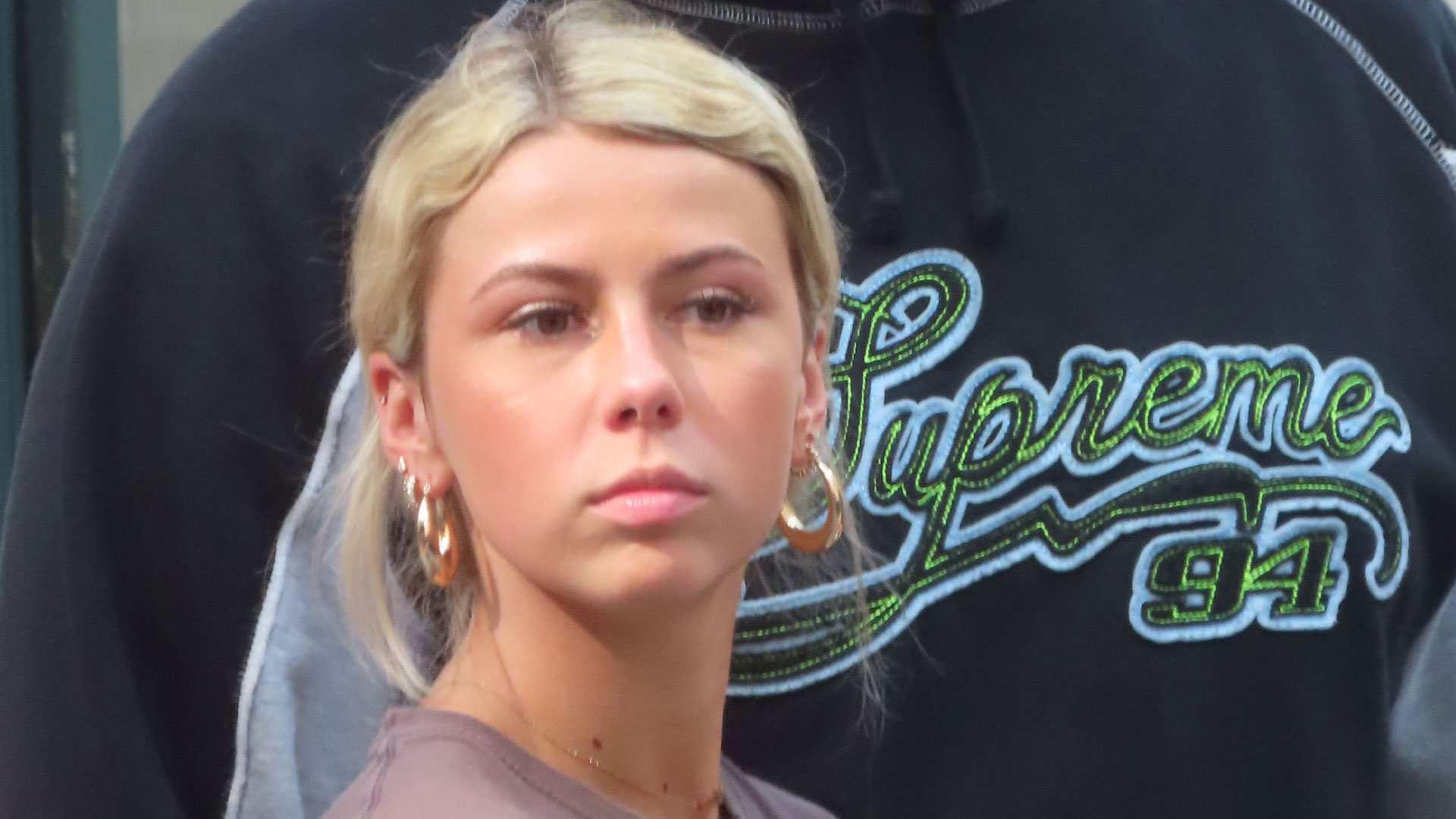
The meteoric rise and fall of the $HAWK memecoin, fronted by social media influencer Hailey Welch, better known as “Hawk Tuah Girl,” has culminated in a lawsuit alleging a “pump and dump” scheme that defrauded investors, many of whom were first-time cryptocurrency participants. Welch, who gained notoriety for a risqué response during a street interview, leveraged her newfound fame to promote the $HAWK token, promising a groundbreaking project that would unite her diverse fan base. However, shortly after its launch, the token’s value plummeted by over 90%, leaving investors with significant losses. While Welch herself is not named as a defendant in the lawsuit, her central role in promoting the token is at the heart of the allegations.
The lawsuit, filed against the Tuah The Moon Foundation, OverHere Ltd., Clinton So, and Alex Larson Schultz, accuses the defendants of orchestrating a scheme to artificially inflate the price of the $HAWK token through aggressive marketing tactics and Welch’s celebrity endorsement. The complaint alleges that the defendants exploited Welch’s social media following and her podcast, “Talk Tuah,” to create a speculative frenzy around the token, leading to a surge in its market value immediately after launch. The subsequent crash, however, wiped out a substantial portion of investors’ funds, raising questions about the legitimacy of the project and the defendants’ intentions.
The plaintiffs, twelve investors who collectively claim losses exceeding $151,000, argue that the defendants violated the Securities Act by failing to register the $HAWK token with the Securities and Exchange Commission (SEC). They contend that Welch’s prominent role in promoting the token, including discussions on her podcast featuring guests like Mark Cuban, led them to believe in the project’s potential and invest their money. The suit highlights the vulnerability of first-time cryptocurrency investors, who may be particularly susceptible to influencer marketing and promises of quick returns. Two individual investors cited in the complaint reportedly lost $70,000 and $18,500, respectively, underscoring the substantial financial impact of the alleged scheme.
Welch’s sudden disappearance from social media and the cessation of her podcast have fueled speculation about her involvement in the alleged scam. Her last public promotion of the $HAWK token coincided with its launch, and her subsequent silence has left many questioning her role and responsibility in the project’s failure. While she initially touted the memecoin as a legitimate venture and claimed to have educated herself on cryptocurrency, her absence amidst the controversy has only intensified scrutiny and suspicion. The lack of comment from Welch or her representatives further complicates the situation, leaving investors with unanswered questions about the future of the project and the possibility of recovering their losses.
Prior to the $HAWK debacle, Welch’s career trajectory was one of rapid ascent. From a viral street interview to collaborations with celebrities like Jake Paul and Zach Bryan, she successfully capitalized on her online fame to build a personal brand and launch various ventures, including merchandise, a dating advice app, and her podcast. Her partnership with Betr, Jake Paul’s company, for her podcast seemed to solidify her status as a rising star in the influencer world. However, the $HAWK controversy now threatens to overshadow her previous accomplishments and cast a long shadow over her future endeavors.
The $HAWK case highlights the potential risks associated with memecoins and influencer marketing, particularly for novice investors. The rapid rise and fall of the token’s value, coupled with the allegations of a coordinated pump and dump scheme, serve as a cautionary tale about the volatile nature of the cryptocurrency market and the importance of due diligence before investing. While Welch’s involvement in the project remains a subject of speculation and legal scrutiny, the lawsuit underscores the potential consequences for influencers who promote potentially fraudulent investment opportunities to their followers. The outcome of the case will likely have significant implications for the future of influencer marketing within the cryptocurrency space and may lead to increased regulatory oversight of such activities.