
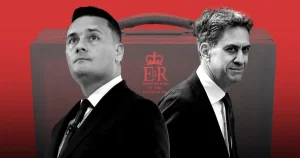



The UK government’s proposed approach to artificial intelligence (AI) and copyright has sparked a firestorm of criticism from the creative industries. The current consultation explores how AI can utilize copyrighted material to train its models, raising concerns about the potential exploitation of musicians, writers, and news publishers. The core contention lies in the government’s inclination towards an “opt-out” system, where tech companies can freely use copyrighted work unless creators explicitly forbid it. This stance has been met with fierce opposition, with critics arguing that it undermines the fundamental principles of copyright protection and threatens the livelihoods of creative professionals. The creative community emphasizes the existing copyright laws already in place and urges the government to focus on robust enforcement rather than introducing a system that seemingly favors tech giants. This perceived bias towards the tech sector fuels the narrative of exploitation and casts doubt on the government’s commitment to safeguarding the interests of its creative talent.
The proposed opt-out system has been labelled a devastating blow to the UK’s thriving creative industry, estimated to be worth £126 billion. Experts in AI ethics, such as Baroness Beeban Kidron, warn that allowing AI companies to scrape copyrighted material without proper compensation jeopardizes the ability of artists to make a living. The underlying sentiment is that the creative community embraces the potential of AI and is willing to collaborate with tech companies, but not at the expense of their fair share. The current consultation has been criticized as inadequate, tardy, and overly influenced by the tech sector, further deepening the divide between the government and the creative professionals it is supposed to represent.
Prominent figures in film, music, and literature have voiced their concerns, highlighting the existing legal framework that protects their work. Their demand is straightforward: tech companies that profit from their creative output should pay for it. The debate underlines the inherent tension between technological advancement and artistic ownership, a tension that must be addressed to ensure a sustainable and equitable future for the creative industries. The current government approach is seen as insufficient, failing to adequately protect the rights of creators and potentially stifling innovation by disincentivizing creative production.
The political implications of this issue are also becoming evident, with accusations of inaction and delay levelled against the government. The Shadow Technology Secretary, Andrew Mak, has criticized his counterpart, Peter Kyle, for the perceived procrastination on this pressing matter, suggesting that the government’s indecision places the UK at a disadvantage compared to its competitors. This highlights the potential economic consequences of a poorly managed transition into the age of AI, with the UK risking falling behind other nations who adopt more forward-thinking and creator-friendly policies. The prolonged uncertainty generated by the consultation process further exacerbates the anxieties of the creative industry, hindering their ability to adapt and thrive in the evolving technological landscape.
Concerns extend beyond the creative sector, with the Chair of the Commons Culture, Media and Sport Committee, Caroline Dineage, acknowledging widespread apprehension about the unauthorized use of copyrighted works for AI training. The demand for a fair system resonates throughout the creative landscape, emphasizing the need for a balanced approach that respects both technological progress and the rights of creators. The absence of a clear and equitable framework threatens to undermine the very foundation of the creative industries, eroding the incentive for the production of original content.
The News Media Association also joins the chorus of dissent, emphasizing the importance of control and fair remuneration for the use of news content. Owen Meredith, the association’s chief executive, advocates for transparency within the existing copyright framework, rather than the proposed opt-out system. He argues that this approach would foster a more symbiotic relationship between creative professionals and AI firms, allowing both to flourish. This perspective underscores the need for a collaborative approach, where both the tech sector and the creative industries work together to establish a sustainable model for the utilization of copyrighted material in AI development. A transparent and equitable system would not only protect the rights of creators but also ensure the long-term availability of high-quality data necessary for the advancement of AI technology.