


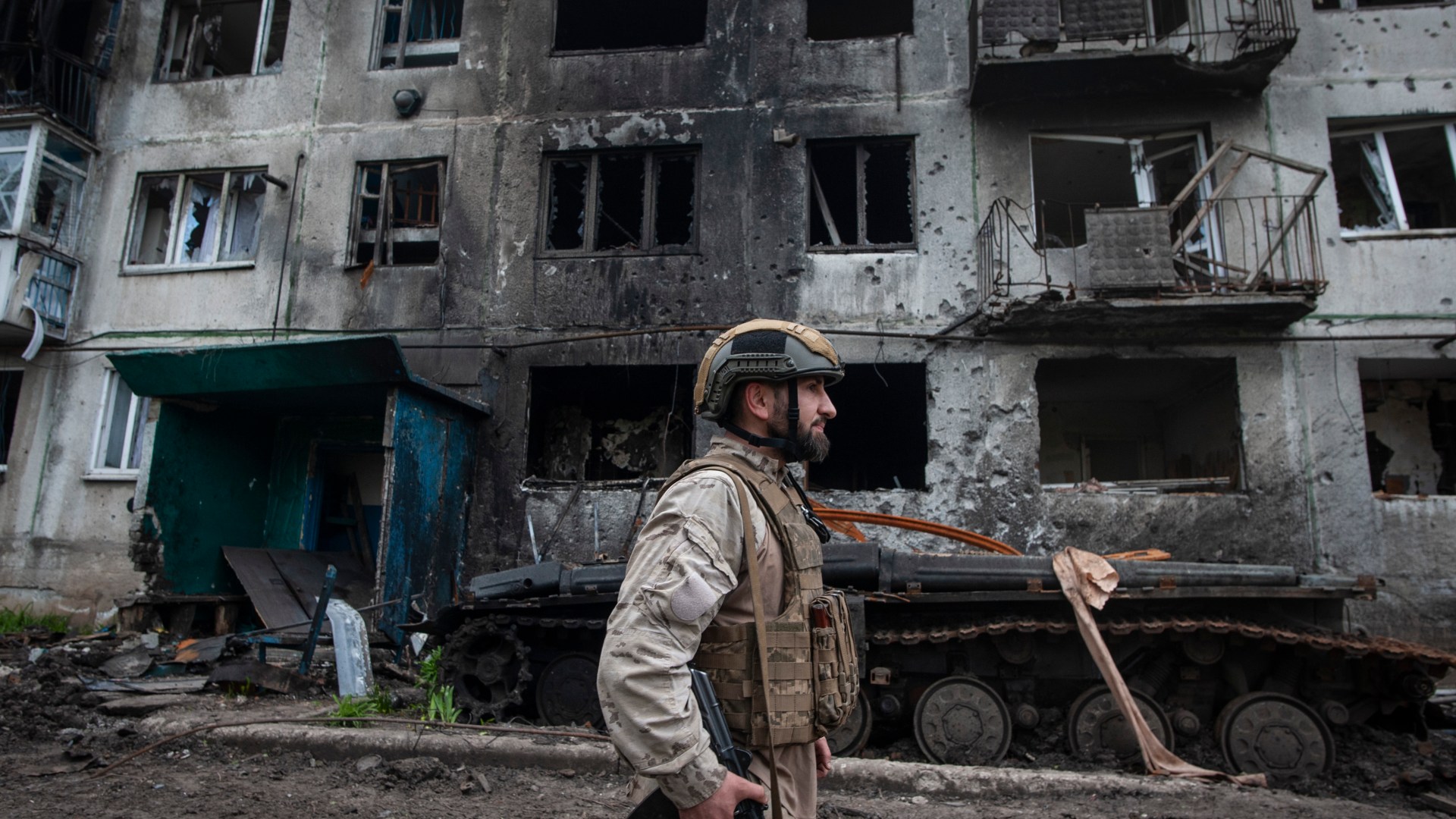
Oleksandra Matviichuk, a Nobel Peace Prize laureate and head of the Center for Civil Liberties, has issued a stark warning to the world: if Vladimir Putin achieves victory in Ukraine, his aggression will not stop there. She believes that Putin’s ultimate goal is expansionist, mirroring historical empires, and that Europe remains safe only as long as Ukraine continues to resist the Russian invasion. Matviichuk points to interviews with individuals who survived Russian captivity, where they were told of Russia’s plans to conquer other countries following Ukraine’s subjugation, enlisting Ukrainians into their army for further campaigns. This, she argues, underscores the urgent need for robust security guarantees for Europe to deter future Russian aggression. Matviichuk stresses that Russia’s desire is not for peace, but for the fulfillment of its geopolitical ambitions. She advocates for a proactive approach from the West, emphasizing the need for individual leadership, courage, and responsibility in a time where the existing world order, including institutions like the UN Security Council, have proven inadequate in addressing this crisis.
Putin’s expansionist aims have raised concerns among military experts and diplomatic leaders, with warnings of a potential “Hitler-style land grab” targeting the Baltic region. General David Petraeus, a retired four-star US general, echoes Matviichuk’s concerns, asserting that Putin’s ambitions extend beyond Ukraine. He suggests that if Putin succeeds in Ukraine, Moldova would likely be the next target, followed potentially by Lithuania or other Baltic states. Petraeus underscores the importance of taking Putin’s pronouncements seriously, highlighting the need for the West to provide unwavering support to Ukraine to prevent further regional destabilization. He urges the West to utilize “everything humanly possible” to aid Ukraine in its fight against Russian aggression, emphasizing the potential for a wider conflict if Putin’s advances are not checked.
Keir Giles, a Russia expert at Chatham House, reinforces these concerns, stating that Putin is preparing for war with NATO and that an attack on a NATO country is likely within the next five years. He believes that regardless of the outcome in Ukraine, whether through a Russian victory or a ceasefire, Putin’s focus will shift to targeting NATO members. This assessment aligns with the views of defense ministers, chiefs of defense, and intelligence chiefs across Europe and the US, suggesting a widespread recognition of the potential for escalated conflict. Giles argues that Putin’s long-term strategy has always been focused on a confrontation with NATO, and that his actions in Ukraine are a stepping stone towards this larger objective.
Latvian President Edgars Rinkevics further elaborates on Putin’s expansionist goals, suggesting a three-pronged approach aimed at rebuilding the Russian empire. He identifies Moldova, the Caucasus, and Central Asia as Putin’s primary targets, warning that this expansionist drive threatens European security for decades to come. Rinkevics frames Putin’s actions as an attempt to revive Russian imperialism, harkening back to historical expansionist tendencies. He believes that countries like Armenia, Azerbaijan, Georgia, Kazakhstan, Kyrgyzstan, and Tajikistan, all subject to significant Russian influence, are particularly vulnerable to Putin’s ambition to reclaim former Soviet territories. This broad expansionist strategy, Rinkevics argues, poses a significant and long-term threat to the stability of the region and beyond.
Meanwhile, Matviichuk continues her work documenting Russian war crimes in Ukraine, aiming to hold Putin accountable for the atrocities committed. Her organization, the Center for Civil Liberties, has documented over 80,000 instances of war crimes, providing crucial evidence for potential future prosecutions. Matviichuk firmly believes that Putin should be brought before the International Criminal Court in The Hague, emphasizing the importance of holding authoritarian leaders accountable for their actions. She contrasts the perceived power of dictators when backed by their repressive state machinery with their vulnerability when facing legal scrutiny, expressing her desire to see Putin’s “real face” exposed during a trial.
Oleksandra Matviichuk’s work as a human rights lawyer and civil society leader, especially since the escalation of the conflict in Ukraine, has been instrumental in documenting war crimes and advocating for democratic reforms. As head of the Center for Civil Liberties, she has spearheaded efforts to protect human rights and establish democratic principles in Ukraine and the wider OSCE region. The organization focuses on legislative changes, oversight of law enforcement and the judiciary, youth education, and international solidarity programs. Following the 2022 invasion, Matviichuk, in collaboration with other organizations, launched the ‘Tribunal for Putin’ initiative to document war crimes, further solidifying her commitment to holding those responsible for the conflict accountable. The awarding of the 2022 Nobel Peace Prize to the Center for Civil Liberties underscores the global recognition of the organization’s vital work in promoting human rights and peace during a time of unprecedented crisis.