


The UK economy stagnated in the third quarter of the year, recording zero growth from July to September, raising concerns about a potential recession. This lackluster performance has fueled criticism of the government’s economic policies, with accusations that their rhetoric is contributing to a downturn. The flat growth figures also cast doubt on the government’s ability to meet its fiscal targets, potentially necessitating further tax increases. This prospect is particularly worrying given the £40 billion in tax rises already implemented since the July election. The government has refused to rule out additional tax hikes, citing unforeseen circumstances like the pandemic as potential justifications for future increases. This stance has been met with criticism, particularly from the opposition, who accuse the government of mismanagement and contributing to economic uncertainty.
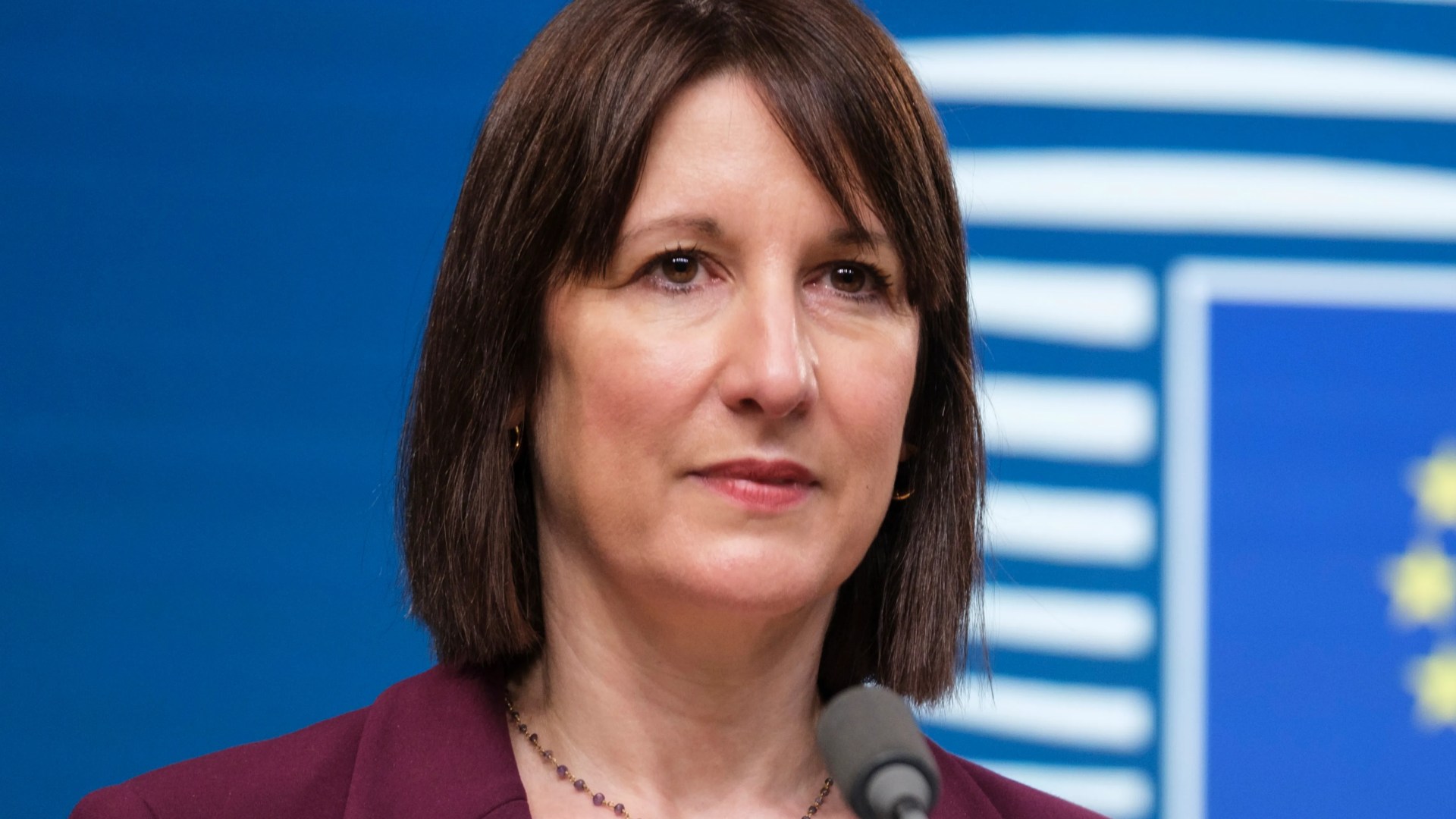
The Chancellor, Rachel Reeves, is facing mounting pressure to address the faltering economy and stabilize the nation’s finances. The Institute for Fiscal Studies (IFS) suggests that further tax increases may be unavoidable if economic growth doesn’t pick up. This prediction puts the Chancellor in a difficult position, caught between the need to raise revenue and the potential negative impact of higher taxes on businesses and consumers. The IFS’s warning underscores the precarious state of the UK economy and the challenges facing policymakers. The Chancellor’s recent budget, which included significant tax increases, has already drawn criticism for potentially stifling economic activity. The prospect of further tax hikes adds to the uncertainty and could exacerbate the economic slowdown.
The zero growth figures reveal a concerning economic picture, with various sectors showing signs of weakness. Consumer spending has declined, particularly in areas like leisure and entertainment, indicating a cautious approach by households. Advertising spending has also fallen, suggesting a lack of confidence among businesses. These trends point to a broader economic malaise that goes beyond specific sectors. The decline in GDP per capita further underscores the impact on living standards, with individuals experiencing a decrease in their real income. This decline in living standards adds to the pressure on the government to address the economic challenges and find ways to support households struggling with the cost of living.
The government’s response to the economic stagnation has been focused on emphasizing their commitment to promoting economic growth that benefits working people. However, critics argue that their actions, particularly the tax increases, are counterproductive and likely to hinder growth. The opposition has accused the government of “talking the country towards a recession” and criticized their economic policies as detrimental to businesses and consumers. They argue that the tax hikes are discouraging investment and job creation, further exacerbating the economic slowdown. This political back-and-forth highlights the deep divisions over the government’s economic strategy and the best way forward for the UK economy.
The Chancellor’s budget, intended to address the nation’s fiscal challenges, has been met with mixed reactions. While some argue that the tax increases are necessary to shore up public finances, others criticize them as harmful to economic growth. Businesses have expressed concerns about the increased costs of hiring and retaining staff, leading to job cuts, frozen investments, and price increases. These actions by businesses further contribute to the economic slowdown, creating a negative feedback loop. The Chancellor’s challenge is to find a balance between fiscal responsibility and supporting economic growth, a task made more difficult by the current economic climate.
The bleak economic outlook casts a shadow over the government’s future prospects. The Chancellor’s ability to navigate the current economic challenges will be crucial for their political standing and the overall health of the UK economy. The combination of stagnant growth, rising taxes, and declining living standards presents a formidable challenge for policymakers. The government’s response to these challenges, and the effectiveness of their policies, will determine the course of the UK economy in the coming months and years. The pressure is on for the government to deliver on their promises of economic growth and demonstrate that they can steer the country out of its current economic predicament.