



Luigi Mangione, a 26-year-old data engineer, faces potential federal charges and the death penalty in connection with the murder of UnitedHealthcare executive Brian Thompson. While the death penalty is outlawed in New York, where the murder took place, federal prosecution opens the possibility for capital punishment under national law. Mangione currently faces state charges including first-degree murder and murder as a terrorist crime, which could result in a life sentence without parole if he is convicted. Law enforcement sources indicate that federal authorities are pursuing the case partly to seek the death penalty, a possibility not available under state law.
Prior to the shooting, Mangione reportedly struggled with chronic back pain stemming from spondylolisthesis, a vertebral condition. He underwent surgery involving the insertion of screws into his spine, a procedure that friends and former classmates suggest may have negatively impacted his mental state. Some speculate that complications from the surgery drove him to extreme actions. Described as a once-brilliant student and former valedictorian, Mangione is alleged to have undergone a significant personality change after the operation.
The killing took place outside a Manhattan hotel where Thompson was attending a company conference. Mangione was apprehended after a five-day manhunt, culminating in his arrest at a Pennsylvania McDonald’s. Upon his arrest, authorities discovered a fake ID, a “ghost gun” resembling the murder weapon, and a manifesto criticizing the healthcare industry. A notebook containing to-do lists related to the killing and justifications for the act were also found. The case has drawn significant public attention, with some expressing misplaced support for Mangione online while others directed their anger at the healthcare system, fueled by the circumstances of Thompson’s death.
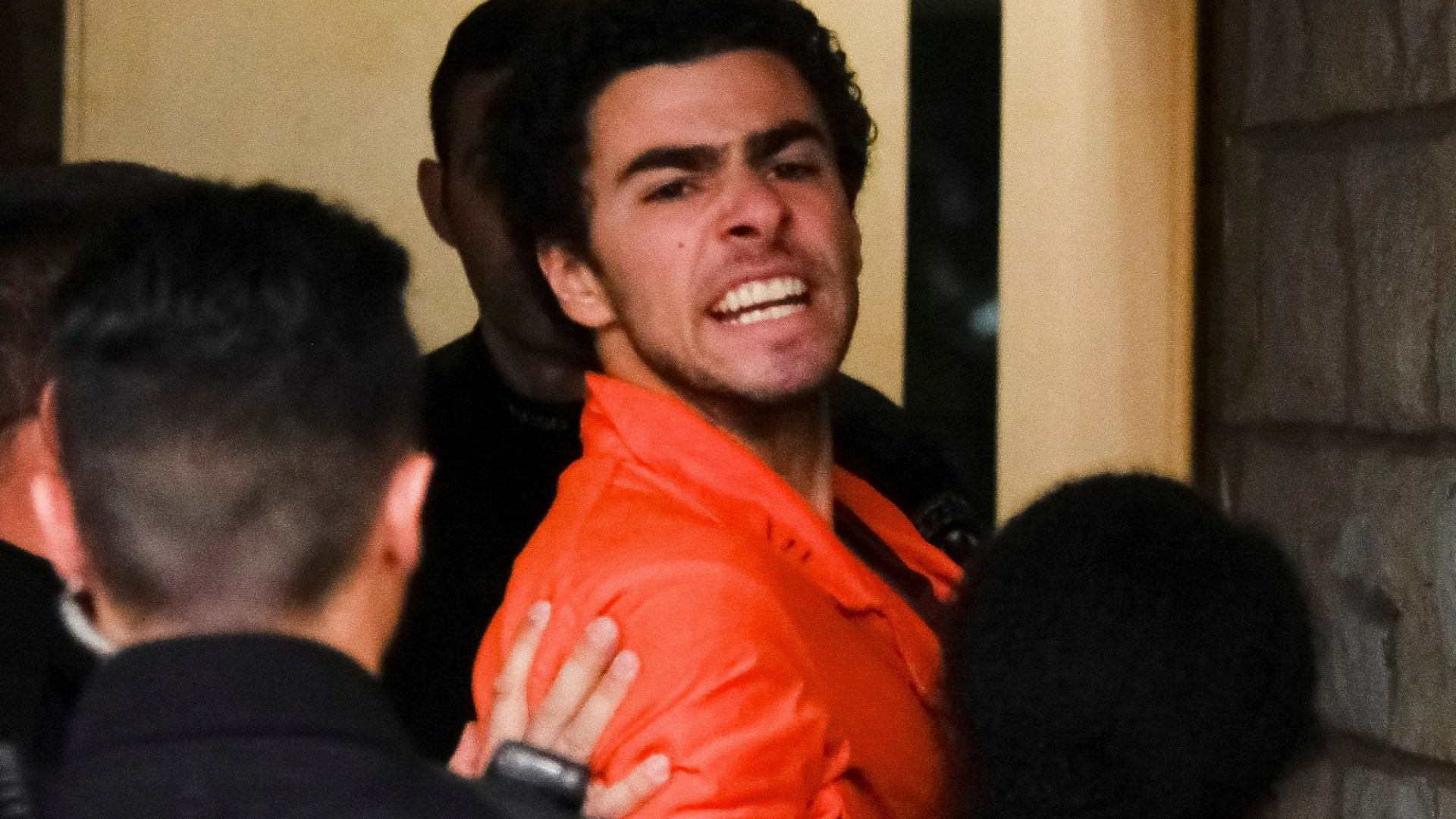
In addition to the murder charge, Mangione faces several other charges in New York, including weapons possession and possession of a forged document. His attorney maintains his client’s innocence, claiming a lack of evidence linking him definitively to the crime. During a court appearance following his initial arrest, Mangione erupted in a tirade, claiming the situation was a fabrication and an insult to the public’s intelligence. He had to be restrained by deputies as he was escorted into the courthouse.
The potential federal charges add another layer of complexity to the case, raising the stakes significantly for Mangione. The death penalty, while a possibility under federal law, is a complex and rarely applied sentence. The decision to pursue federal charges may reflect the gravity of the crime and the perceived need for a stronger deterrent. The contrast between Mangione’s prior academic achievements and his alleged actions has also fueled public interest and speculation about his motives.
The case highlights the intersection of mental health, access to healthcare, and gun violence. Mangione’s reported struggles with chronic pain and the potential impact on his mental state raise questions about the support systems available to individuals facing similar challenges. The manifesto discovered upon his arrest suggests a possible discontent with the healthcare industry, though the exact nature of his grievances remains unclear. The use of a “ghost gun,” an untraceable firearm often assembled from parts purchased online, further complicates the case and underscores the challenges posed by such weapons in preventing gun violence.