
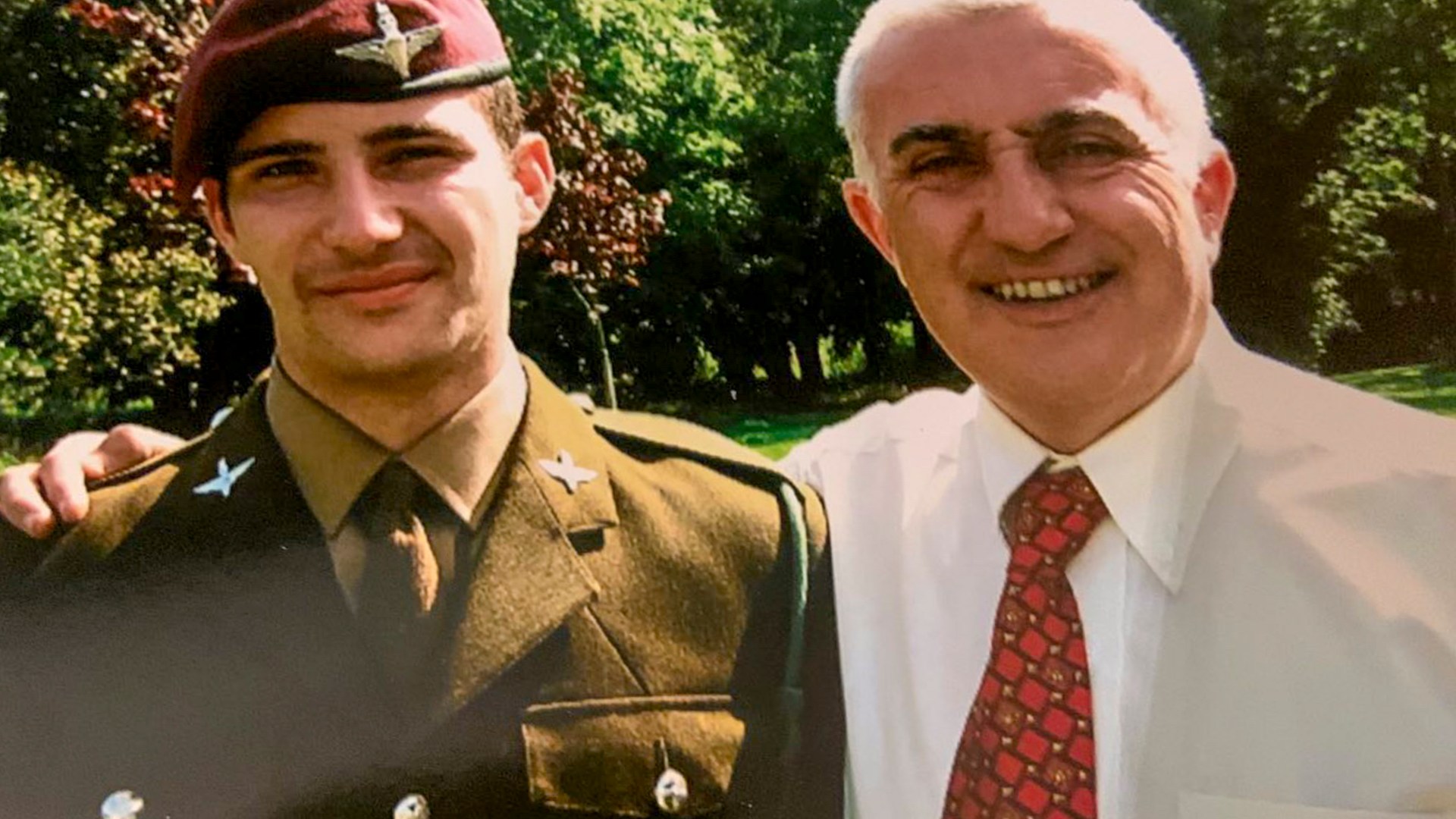
The inquest into the death of Daniel Burke, a 36-year-old British former paratrooper who volunteered to fight in Ukraine, unveiled a tragic narrative of friendly fire and a subsequent flight from justice. Burke was shot and killed on a disused firing range by fellow volunteer Abdelfetah “Jihadi Adam” Nourine, a 27-year-old dual Australian-Algerian national. The fatal shots, which struck Burke in the head, neck, and chest, were fired from Nourine’s AK-74 rifle. Following the shooting, Nourine concealed Burke’s body in a drain before ultimately leading local Ukrainian police to the scene, claiming the death was accidental. He was subsequently detained but managed to escape Ukraine. Burke’s family believes Nourine has returned to Australia, and they have expressed frustration with the lack of action from both Ukrainian and Australian authorities.
The Manchester coroner’s court heard compelling evidence suggesting that the shooting was not accidental. Detective Sergeant Danielle Bullivant, representing Greater Manchester Police, testified that it would have been “impossible” for Nourine to have discharged his weapon unintentionally. This assessment, coupled with the nature and location of Burke’s injuries, led the coroner to agree that the death was indeed a homicide. Despite the apparent clarity of the circumstances, the inquest did not reveal any specific motive for the killing. Coroner Zac Golombek stated that there was no evidence of any prior dispute or falling out between Burke and Nourine. The official conclusion of the inquest was that Daniel Burke was unlawfully killed.
The inquest proceedings shed light on the complex and often dangerous environment in which foreign volunteers operate within the Ukrainian conflict. Burke, driven by a desire to defend liberal values, travelled to Ukraine to join the fight against Russian forces. His death underscores the risks faced by individuals who choose to engage in such conflicts, where the lines between comrade and adversary can become blurred, and accountability for violent acts can be difficult to establish. The fact that the alleged perpetrator was also a foreign volunteer highlights the challenges posed by the presence of individuals from diverse backgrounds and with potentially varying motivations.
The case has also brought to the forefront questions regarding international legal jurisdiction and cooperation in pursuing justice. While the killing occurred in Ukraine, the alleged perpetrator and victim were foreign nationals. This raises complexities in determining which country has primary responsibility for investigating and prosecuting the crime. The Burke family’s frustration with the perceived lack of action from both Ukrainian and Australian authorities underscores the difficulties in navigating international legal processes, particularly in the context of an ongoing conflict. The apparent ease with which Nourine was able to flee Ukraine and potentially return to Australia raises concerns about the effectiveness of border controls and the ability of authorities to apprehend individuals suspected of serious crimes.
The investigation by Greater Manchester Police, while unable to bring Nourine to justice directly, played a crucial role in establishing the facts surrounding Burke’s death. Their conclusion that the shooting was not accidental and likely a homicide provides a vital foundation for any future legal proceedings. However, their jurisdiction is limited, and they are reliant on cooperation from international partners to apprehend Nourine. This highlights the need for greater international cooperation in cases involving foreign fighters and cross-border crimes, particularly in conflict zones.
The tragic death of Daniel Burke serves as a stark reminder of the human cost of conflict and the complex legal and ethical challenges that arise in the aftermath of violence. The ongoing search for justice in his case highlights the need for robust international legal frameworks and effective cooperation between nations to ensure accountability for crimes committed in conflict zones, regardless of the nationalities involved. The coroner’s acknowledgment of Burke’s commitment to fighting for liberal values serves as a tribute to his dedication, but also underscores the inherent risks undertaken by those who choose to engage in such conflicts. The case continues to raise important questions about the responsibility of nations to protect their citizens abroad and to ensure that justice is served, even in the most challenging circumstances.