



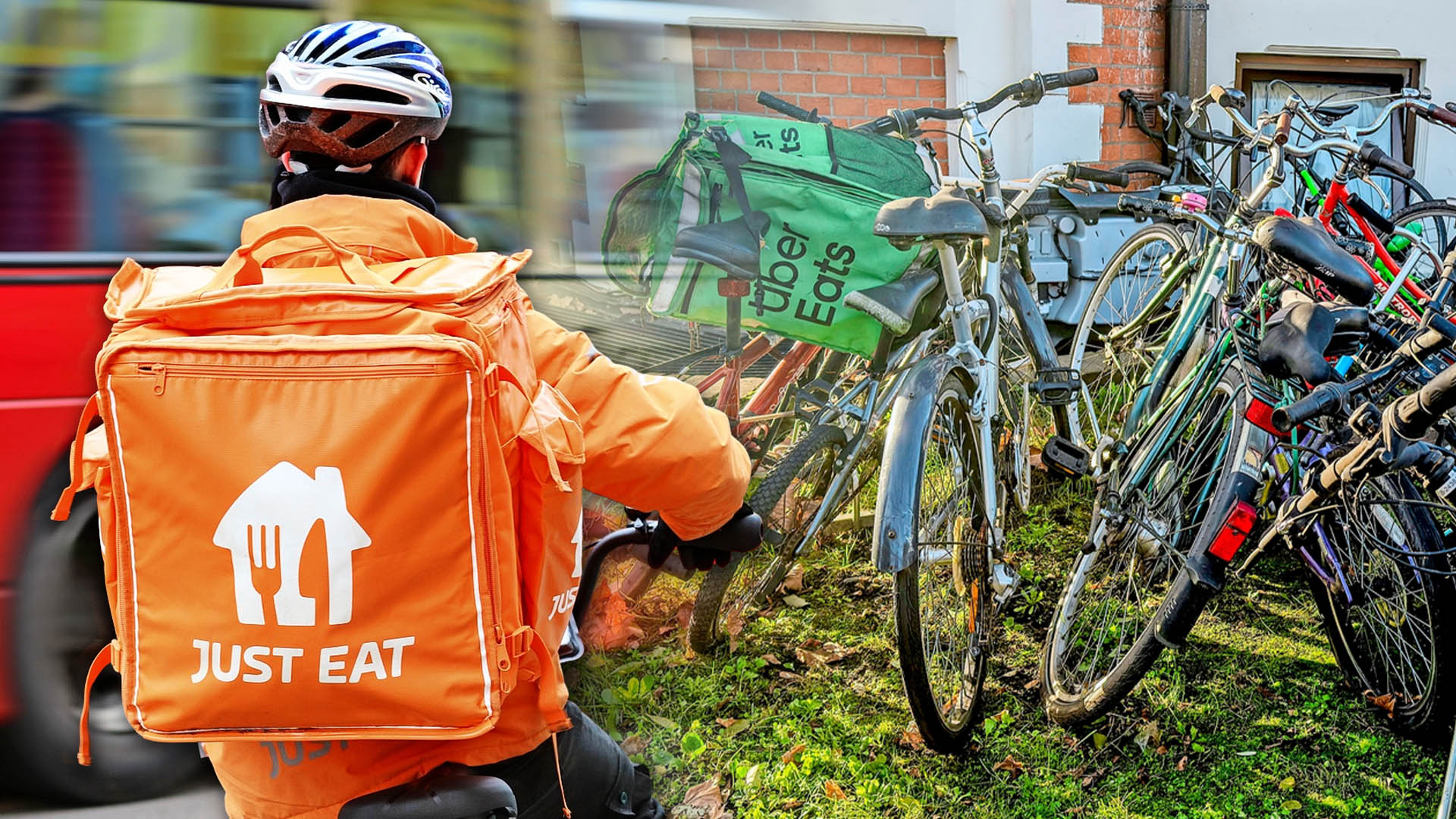
A Sun on Sunday investigation has exposed a dangerous loophole in the gig economy that allows undocumented migrants to work illegally for prominent food delivery companies like Deliveroo, Just Eat, and Uber Eats. This exploitation occurs through the practice of “substituting,” where legitimate delivery drivers rent out their account details, including login credentials for company apps, to individuals who lack the legal right to work in the UK. The investigation revealed how easily an undercover reporter, posing as a recent Afghan migrant, was offered access to these accounts for a weekly fee, bypassing background checks and right-to-work verifications. This illicit subcontracting allows migrants to earn income under the radar, while the delivery companies remain unaware of the true identity of the individuals completing deliveries.
The simplicity and accessibility of this loophole raise serious concerns about potential risks to public safety. The investigation highlighted past instances where individuals with criminal records managed to work for delivery companies using substituted accounts, underscoring the vulnerability of the system to exploitation by dangerous criminals. The case of Jennifer Rocha, a delivery rider who bit off a customer’s thumb and continued working despite a suspended account, and Jordan Da Silva, a convicted drug dealer who delivered for Deliveroo and harassed a customer, exemplify the potential dangers. This unchecked access raises questions about the safety of both customers and the wider community.
While delivery companies have publicly committed to strengthening security measures and implementing stricter verification processes, the investigation reveals these measures are proving ineffective. Despite Deliveroo launching a substitute registration feature with right-to-work checks, Uber Eats introducing identity verification checks, and Just Eat working on a solution to ensure legal compliance, the undercover reporter was readily offered accounts for all three companies without any questions asked. This suggests a systemic failure in enforcement and a lack of adequate oversight, leaving the loophole wide open for exploitation.
The investigation further uncovered the financial incentives driving this illegal practice. Migrants are willing to pay substantial fees for access to these accounts, often a significant portion of their earnings, highlighting the desperation for work and the potential for exploitation by those controlling the accounts. The report found instances of individuals managing over 100 accounts, creating a lucrative black market for access to the gig economy. This widespread abuse undercuts the wages of legitimate delivery drivers, who are subject to taxes and background checks, and creates an unfair playing field within the industry.
The implications of this loophole extend beyond individual companies and encompass broader societal concerns related to immigration and labor exploitation. Migrants, some of whom arrive in the UK via illegal means, are utilizing this as a means of employment, raising questions about the effectiveness of immigration controls. Social media posts and testimonials from migrants detail their experiences using substituted accounts to work for delivery companies, further exposing the prevalence of this practice. This situation calls for urgent government intervention to strengthen enforcement and close the loophole, protecting both legitimate workers and the public.
The investigation’s findings demonstrate the urgent need for robust action to address this widespread abuse. Home Secretary Yvette Cooper has called on delivery companies to “get a grip” on the situation, while Shadow Home Secretary Chris Philp emphasized the need for increased immigration enforcement and stricter checks within the gig economy. Experts and campaigners advocate for eliminating the right of substitution altogether, a solution implemented by Deliveroo in Hong Kong, as a necessary step to prevent further exploitation and ensure a fair and safe working environment for all delivery drivers. The prevalence of this practice, with potentially tens of thousands of illegal workers in the sector, necessitates immediate and decisive action to protect both workers and the public.