


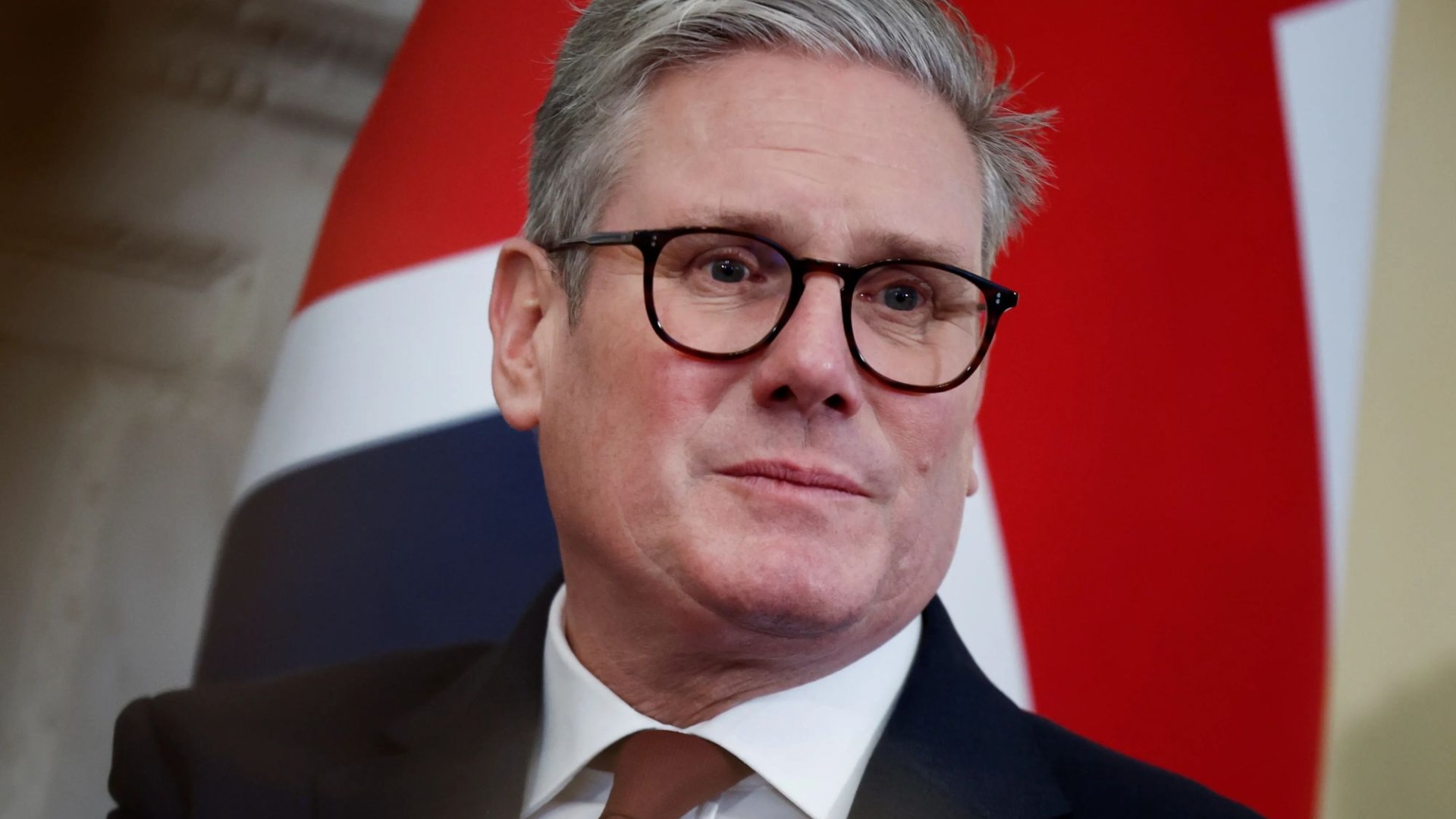
The political landscape in the United Kingdom is buzzing with allegations and speculation surrounding Labour leader Sir Keir Starmer’s stance on Brexit. Insiders claim that Starmer has assembled a team of over 100 civil servants, dubbed the “Surrender Squad,” tasked with dismantling the UK’s hard-won freedoms from the European Union and forging closer ties with Brussels. This alleged move comes on the heels of the UK’s formal entry into the Indo-Pacific economic trade pact, a strategic maneuver made possible by the regained sovereignty following Brexit. Critics, including prominent figures like former Prime Minister Boris Johnson and Lord Frost, the former Brexit negotiator, have voiced strong concerns about the potential implications of Starmer’s approach, warning of a gradual erosion of the UK’s ability to set its own rules and laws.
Starmer’s discussions of a “reset” with Brussels have fueled these concerns. The Labour leader is scheduled to meet with EU leaders in February, and the potential terms of this renegotiation are already causing alarm. Reports suggest that the EU is seeking concessions such as freedom of movement for young adults aged 18 to 30, including free healthcare access, guaranteed access for EU fishers to UK waters, and adherence to EU food and agriculture regulations. These demands have been met with fierce resistance from Brexit proponents, who view them as a betrayal of the 2016 referendum result and a dangerous slide back into the EU’s orbit.
Lord Frost, a staunch advocate for a clean break from the EU, has been particularly vocal in his criticism, warning that the “Surrender Squad” is actively working towards a major renegotiation that could significantly compromise the UK’s independence. He argues that unless this initiative is stopped, the UK risks losing its hard-fought ability to chart its own course. This sentiment is echoed by Conservative Party leader Kemi Badenoch, who accuses Starmer of consistently conceding ground in negotiations without securing any meaningful returns. These criticisms paint a picture of a leader willing to sacrifice national interests for the sake of closer ties with the EU.
Former Prime Minister Boris Johnson has also weighed in on the debate, cautioning against drifting back into the EU’s sphere of influence and jeopardizing the UK’s economic independence. He views the potential concessions as a grave mistake that could undermine the benefits gained through Brexit. The chorus of opposition from high-profile figures underscores the deep divisions that persist within the UK regarding its relationship with the EU, highlighting the political sensitivities surrounding any attempt to renegotiate the terms of the separation.
In response to the mounting criticism, a government spokesperson has sought to reassure the public, emphasizing that the goal of resetting the relationship with the EU is to strengthen cooperation, address trade barriers, and stimulate economic growth. The spokesperson explicitly denies any intention of returning to the customs union, the single market, or freedom of movement, attempting to allay fears of a complete reversal of Brexit. However, these assurances have done little to quell the anxieties of those who suspect a hidden agenda to undermine the UK’s sovereignty.
The ongoing debate about the UK’s future relationship with the EU underscores the complex and often contentious nature of this issue. While the government maintains that its aim is to improve cooperation and economic ties without sacrificing the gains of Brexit, critics remain skeptical, viewing the proposed renegotiation as a dangerous path back towards EU integration. The controversy surrounding the “Surrender Squad” and the potential concessions to Brussels highlights the deep divisions that continue to shape the UK’s political landscape and the ongoing challenges of defining its post-Brexit identity. The coming months will likely witness further heated debate as the UK navigates its future relationship with the EU, balancing the desire for closer cooperation with the imperative to protect its hard-won sovereignty.