


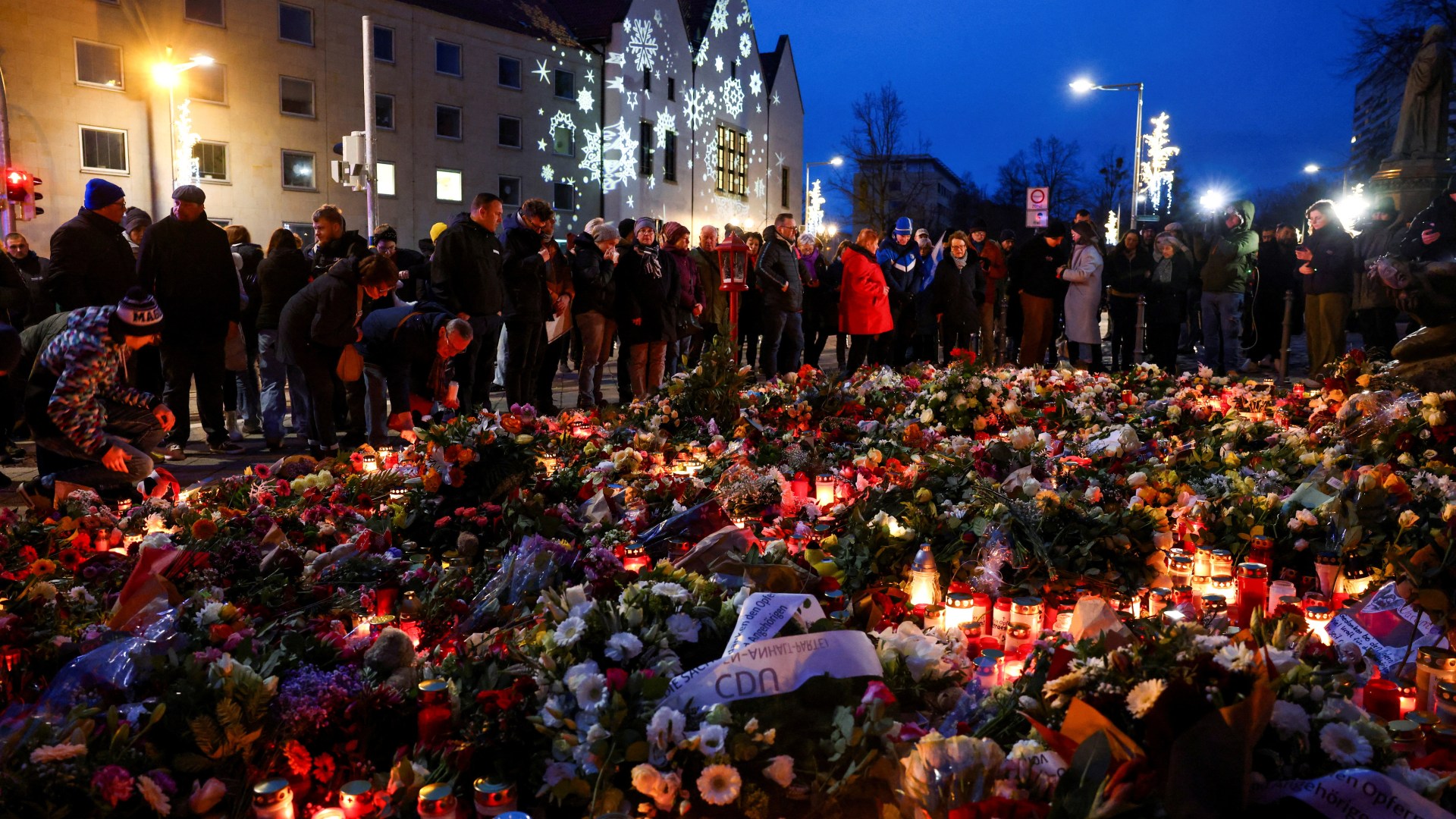
The tragic attack at the Magdeburg Christmas market, perpetrated by a Saudi Arabian asylum recipient, has brutally exposed the devastating consequences of Europe’s flawed immigration policies. The incident, mirroring the 2016 Berlin Christmas market attack, underscores the escalating dangers stemming from uncontrolled migration and the integration of disparate cultures. The attack has shattered the fragile peace and eroded the foundational principles of trust and unity that once underpinned European societies, highlighting the growing chasm between political ideology and the lived realities of European citizens. While the Magdeburg attacker’s motivations remain complex and potentially obfuscated by his public pronouncements against Islam, the incident compels a critical examination of Europe’s asylum processes and the potential security risks they pose. The attack serves as a stark reminder that the unchecked influx of migrants has facilitated the importation of division, intolerance, and extremism, undermining the very fabric of European democracy and liberal values.
The Magdeburg tragedy lays bare the profound disconnect between the political establishment’s narrative of compassion and the tangible consequences of open-border policies. European leaders, often quick to offer condolences and platitudes in the aftermath of such events, bear a significant responsibility for the societal fracturing caused by their decisions. The unfettered migration, particularly during the 2015-2016 refugee crisis, has inadvertently replicated the very conflicts and societal tensions that migrants were fleeing. Europe now grapples with an upsurge in extremism, anti-Semitism, misogyny, and a weakening of its democratic foundations, all exacerbated by the influx of individuals from regions with fundamentally different cultural and political norms. This imposed revolution, implemented without the consent of the populace, has left many citizens feeling increasingly unsafe and disillusioned with their leadership.
Germany, once lauded for its open-door policy and perceived moral leadership in accepting refugees, now faces a harsh reckoning. The influx of migrants, intended as a demonstration of atonement for the horrors of the Holocaust, has instead created a breeding ground for societal division and fueled the rise of right-wing movements like the Alternative for Germany (AfD). The irony is palpable: the very policies designed to promote tolerance and inclusivity have inadvertently fueled resentment and hostility towards migrants, undermining the very ideals they sought to uphold. The Magdeburg attack serves as a grim testament to the failure of this utopian vision and the urgent need for a reassessment of immigration policies.
The assailant’s complex and seemingly contradictory public persona further complicates the narrative. While presenting himself as a fervent critic of Islam and supporter of Israel, his targeting of a quintessential symbol of European Christian heritage – the Christmas market – raises questions about his true motivations. Whether his anti-Islam stance was genuine or a carefully crafted facade to mask a deeper agenda remains a subject of investigation. However, regardless of his individual motives, the attacker’s status as an asylum recipient granted refuge by Germany highlights the systemic failures that allowed him to remain within the country despite being wanted in his homeland, Saudi Arabia.
The Magdeburg attack is not an isolated incident but rather a symptom of a larger crisis engulfing Europe. The continent’s struggle with uncontrolled immigration mirrors similar challenges faced by other nations grappling with large-scale migration. The rise of right-wing movements, fueled by anxieties surrounding national identity, cultural cohesion, and security concerns, is a predictable consequence of this demographic upheaval. The increasing frequency of sectarian clashes and ethnic tensions, as witnessed in the UK during pro-Palestinian protests and the Leicester unrest, underscores the fragility of social harmony in the face of rapid demographic shifts. These events highlight the growing disconnect between the political elite’s embrace of multiculturalism and the anxieties of a populace grappling with the tangible consequences of rapid societal change.
The Magdeburg atrocity serves as a wake-up call, urging a critical re-evaluation of Europe’s immigration and asylum policies. The focus must shift from idealistic notions of open borders to a pragmatic approach that prioritizes national security, cultural integration, and the preservation of societal cohesion. The protection of a nation’s borders is not an act of xenophobia but a fundamental responsibility of any government tasked with safeguarding its citizens’ well-being. Ignoring this core responsibility has created a climate of fear and insecurity, fueling the very extremism that Europe seeks to combat. The time for denial and delusion is over; decisive action is required to restore public trust, protect national identity, and prevent future tragedies. The lessons from Magdeburg, Berlin, and countless other incidents across the continent must not be ignored.