


The Looming Threat of EU Re-engagement: A Potential Betrayal of Brexit
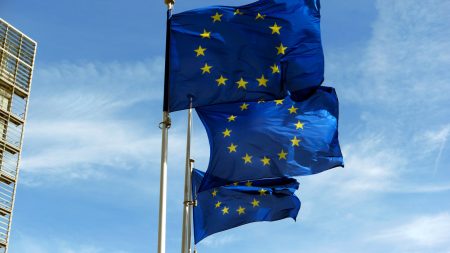
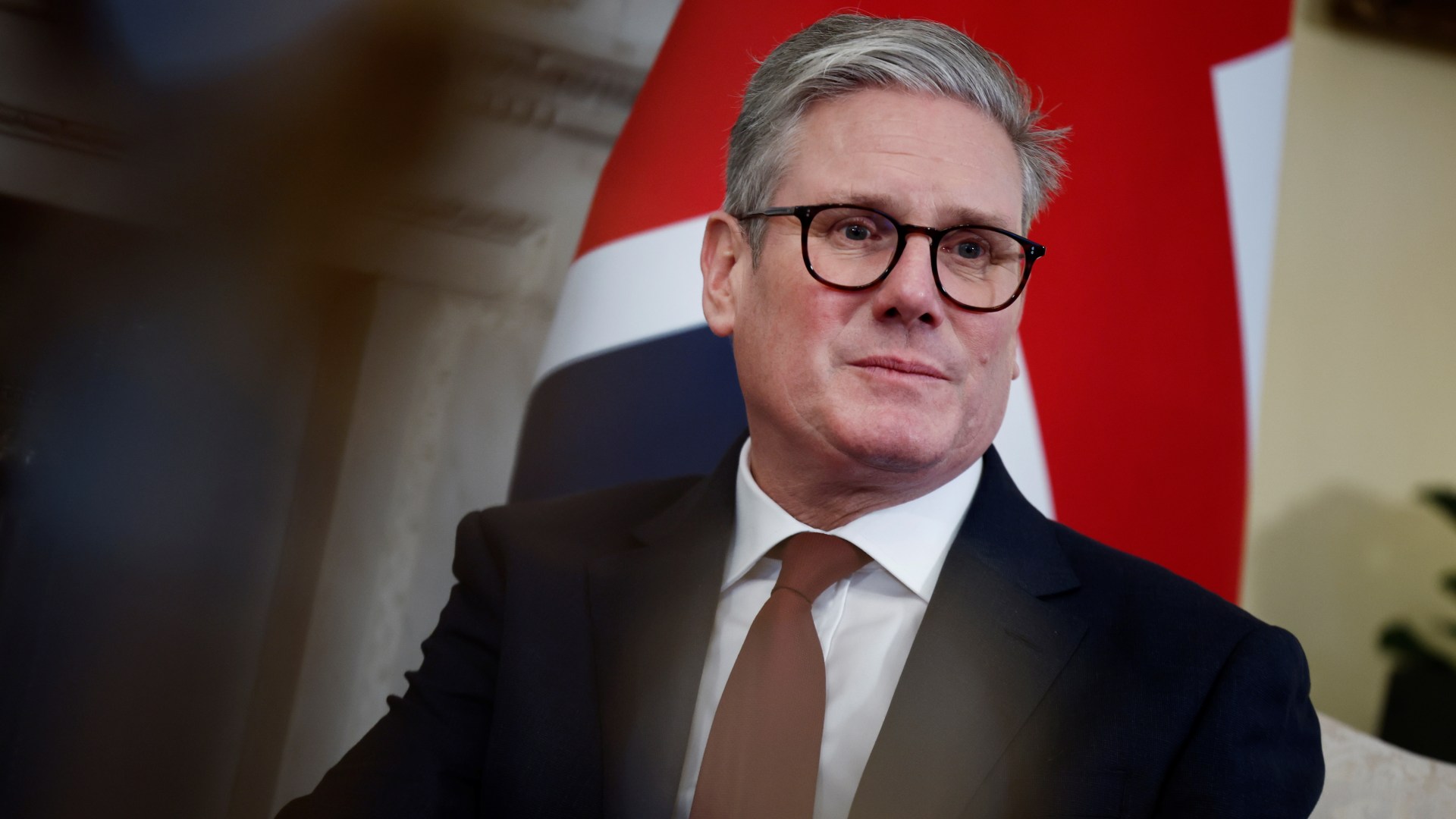
Sir Keir Starmer’s proposed "economic reset" with the EU has sparked serious concerns among Brexit supporters, who see it as a potential backslide into the very clutches of the institution Britain fought to escape. The EU’s past behavior, characterized by demands for substantial financial contributions and the imposition of regulations, has fueled skepticism about their intentions in any renewed negotiations. Critics fear a repeat of the past, with the EU leveraging its position to extract concessions on issues such as freedom of movement, acceptance of EU laws, and access to British fishing waters. The prospect of being drawn back into the EU’s "malign orbit" and entangled in the very red tape Brexit was intended to sever is a deeply unsettling prospect for those who championed the UK’s departure.
Adding to the anxiety is the composition of the negotiating team, comprised largely of Remainer civil servants who have historically obstructed Brexit implementation. Dubbed the "surrender squad," this team’s alleged bias raises fears of a negotiated settlement that undermines the hard-won freedoms of Brexit. Prime Minister Rishi Sunak’s past pro-Remain stance further fuels these concerns, with critics questioning his commitment to upholding the principles of Brexit. The possibility of a deal that compromises Britain’s sovereignty and economic independence is viewed as a potential betrayal of the electorate’s will, a betrayal that would have lasting political consequences.
The BBC’s Scrooge-like Tactics: Targeting Pensioners with Heavy-Handed Tactics
While the continued existence of the TV licence fee remains a contentious issue, the BBC’s recent actions have drawn sharp criticism for their heavy-handed approach towards pensioners. Threatening letters, warning of potential Christmas Day visits for non-payment, have been condemned as "thuggish" and insensitive. The BBC’s pursuit of licence fee evaders, costing a staggering £169 million, has long been a source of public frustration. While the broadcaster has apologized for the "erroneously" sent letters and assured the public that no Christmas Day visits are planned, the underlying issue of criminalizing vulnerable elderly individuals for non-payment persists. This incident further fuels the ongoing debate about the fairness and appropriateness of the licence fee system, particularly in its application to vulnerable populations.
A Glimmer of Hope: Fuel Duty Freeze Offers Relief to Drivers
Amidst these concerning developments, a glimmer of positive news emerges for British drivers. The Chancellor’s decision to continue freezing fuel duty, a key demand of The Sun’s "Keep It Down" campaign, provides much-needed relief in the face of rising living costs. This decision will save the average white van driver around £215 next year and a two-car family approximately £100, offering a welcome respite from the post-Christmas financial pressures. This move acknowledges the significant burden of fuel costs on individuals and families and provides a tangible benefit to drivers across the country.
Expanding on the Core Issues: Deep Dive into Brexit, BBC, and Fuel Duty
The potential implications of Starmer’s proposed "economic reset" extend far beyond mere trade agreements. It represents a fundamental clash of visions for Britain’s future relationship with Europe. Brexit supporters view it as a slippery slope towards re-integration, a gradual erosion of the sovereignty regained in 2016. The concern is that seemingly innocuous concessions on trade could pave the way for deeper integration, ultimately undermining the very essence of Brexit. This fear is compounded by the perceived pro-Remain bias within the civil service, raising questions about the government’s ability to effectively negotiate and protect British interests.
The BBC’s handling of the TV licence issue highlights a broader concern about the organization’s accountability and sensitivity towards vulnerable groups. The heavy-handed tactics employed against pensioners, even if unintentional, raise questions about the BBC’s priorities and its commitment to public service. The substantial sums spent on pursuing licence fee evaders, while essential for funding the organization, also raise questions about the efficiency and proportionality of these efforts. This incident underscores the need for a broader review of the licence fee system, particularly in its impact on vulnerable populations.
The fuel duty freeze, while a welcome relief, represents a temporary measure against the backdrop of persistent cost-of-living challenges. While providing immediate savings for drivers, it does not address the underlying issues contributing to high fuel prices. Long-term solutions, including investments in renewable energy and improvements in public transportation, are crucial to mitigating the impact of fuel costs on individuals and families. The fuel duty freeze, while beneficial, should be viewed as a short-term measure within a broader strategy for addressing the cost-of-living crisis.
The Interconnectedness of These Issues: A Reflection of Broader Societal Concerns
These seemingly disparate issues – Brexit, the BBC, and fuel duty – are interconnected by a common thread: the struggle to balance competing interests and priorities in a rapidly changing world. Brexit represents a fundamental debate about national identity and sovereignty, the BBC’s licence fee controversy reflects the ongoing struggle to fund public services in a digital age, and the fuel duty freeze highlights the challenges of managing economic pressures and providing relief to struggling families. These issues are not isolated incidents but rather manifestations of broader societal concerns that require careful consideration and nuanced solutions.
The Way Forward: Navigating Uncertainty and Building a Better Future
The future of Britain’s relationship with the EU, the BBC’s role in the media landscape, and the long-term solution to the cost-of-living crisis remain uncertain. Navigating these complex challenges requires open dialogue, informed decision-making, and a commitment to finding solutions that benefit all segments of society. The path forward may be fraught with challenges, but the opportunity to build a more prosperous and equitable future for all remains within reach.