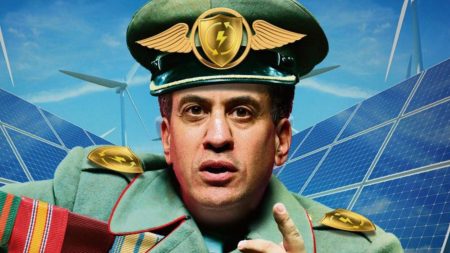



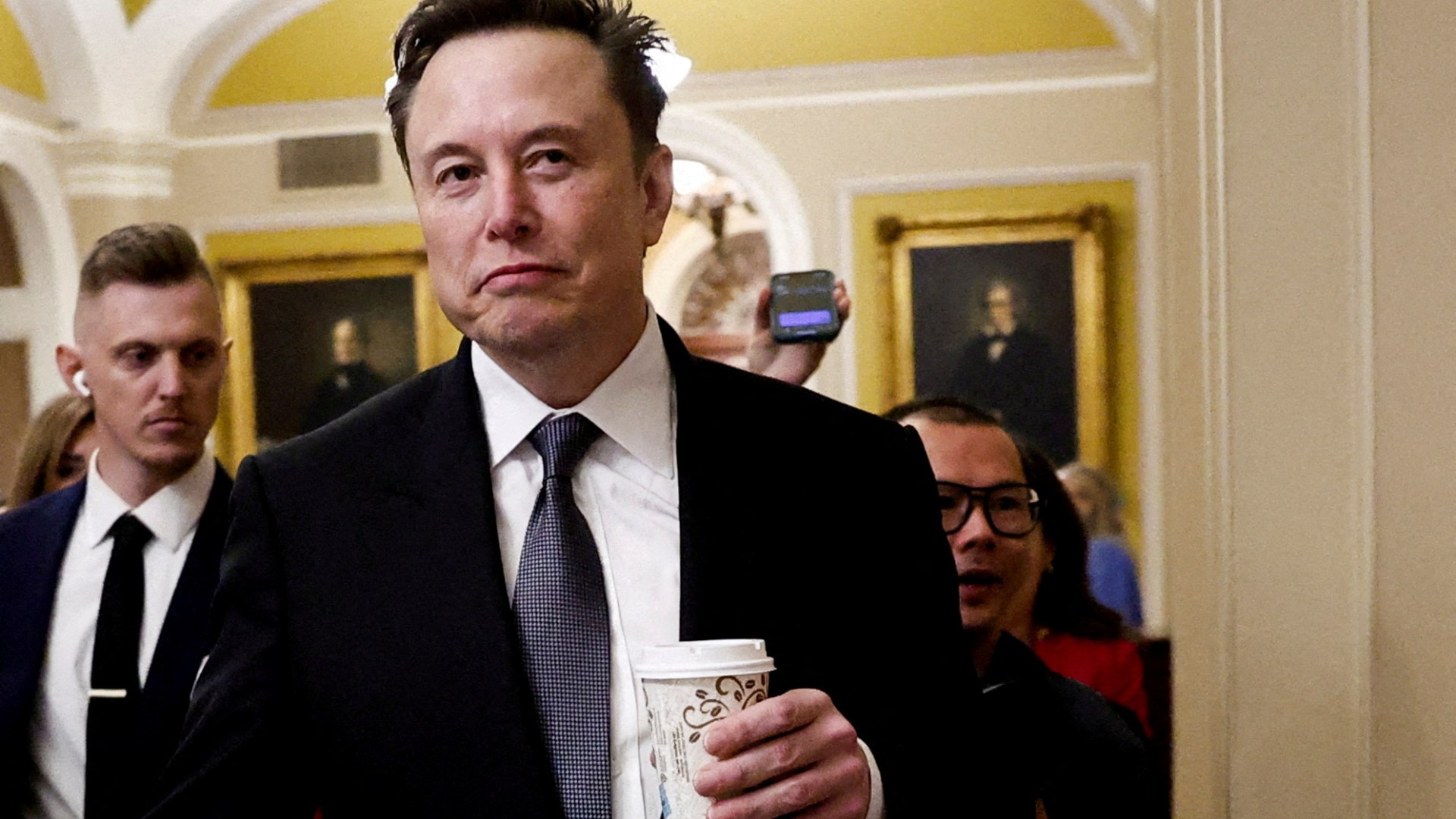
Elon Musk’s assertion that the current UK administration is deterring investment has sparked a heated debate. Musk, the world’s richest man and a renowned investor, argues that few companies will be willing to invest in Britain under the present government. This claim has been met with a sharp rebuttal from the Labour Party, who insist their approach is “unashamedly pro-growth and pro-business.” The crux of the disagreement lies in the interpretation of recent economic indicators and the government’s policy decisions. Musk’s perspective aligns with the view that the government’s policies, particularly the tax increases introduced in the recent budget, are creating a hostile environment for businesses and discouraging investment. Conversely, Labour maintains that their policies are designed to foster economic growth and support businesses, despite the current economic downturn.
The economic data paints a mixed picture. While the UK experienced zero growth since July, dropping from the top of the G7 to the bottom, Labour argues that this is a temporary setback and their policies will ultimately lead to long-term growth. However, critics point to rising unemployment and the possibility of a self-inflicted recession as evidence that the government’s policies are having a detrimental effect. Musk’s contention that the current political climate is deterring investment is further fueled by concerns about the government’s approach to other crucial areas, such as education and foreign policy.
The debate extends beyond purely economic considerations to encompass broader ideological differences. The controversy surrounding Education Secretary Bridget Phillipson’s stance on education reforms exemplifies this divide. Phillipson’s critics argue that her focus on “diversities” and the rejection of traditional methods prioritizing academic excellence will ultimately harm children’s education. They point to the success of English schools under previous Conservative governments, which saw significant improvements in international rankings for reading and maths, as evidence of the effectiveness of traditional approaches. This contrasts with the performance of schools in Wales and Scotland, which are governed by left-leaning administrations and have not seen similar improvements. The debate over education reform highlights the fundamental disagreement between those who favor traditional methods focused on academic achievement and those who prioritize a more progressive approach that emphasizes inclusivity and diversity.
Adding fuel to the fire is the ongoing dispute over the Chagos Islands, a British Indian Ocean Territory. The potential handover of these islands to Mauritius, coupled with the associated financial implications and potential weakening of Britain’s military presence, has drawn strong criticism. Critics, including Musk, see this as a sign of the government’s weakness and a further deterrent to investment. The government’s handling of this sensitive issue underscores the broader concerns about its ability to protect British interests and maintain a stable and predictable environment for businesses.
The debate surrounding Musk’s criticism of the UK government encapsulates a broader ideological clash over the direction of the country. On one side, Musk and his supporters argue that the government’s policies are creating an environment hostile to business and investment, leading to economic stagnation. They advocate for a more business-friendly approach with lower taxes and a focus on traditional values. On the other side, the Labour Party defends its policies as necessary for long-term growth and social progress, emphasizing the importance of inclusivity and diversity. The ongoing debate over the UK’s economic performance, education system, and foreign policy reflects this fundamental ideological divide.
Ultimately, the question of whether Musk is right about the UK’s investment climate remains open to interpretation. The economic data presents a complex picture, and the long-term effects of the government’s policies are yet to be seen. However, Musk’s intervention has undoubtedly sparked a crucial conversation about the direction of the UK and the government’s approach to key issues such as economic growth, education, and foreign policy. The ongoing debate reflects a deeper ideological divide within the country, with differing perspectives on the role of government, the importance of traditional values, and the balance between economic growth and social progress. The resolution of these fundamental disagreements will ultimately shape the future of the UK and its place in the global economy.